


- This event has passed.
Intro to Bio Material Design with Olivia Cueva
September 19 @ 11:00 am - 4:00 pm
Event Navigation
Interested in biomaterial innovation and biodegradable textiles? Dive into this emerging field through our hands-on bio materials workshop! Purchase tickets here.
Curious about the future of sustainable material innovation?
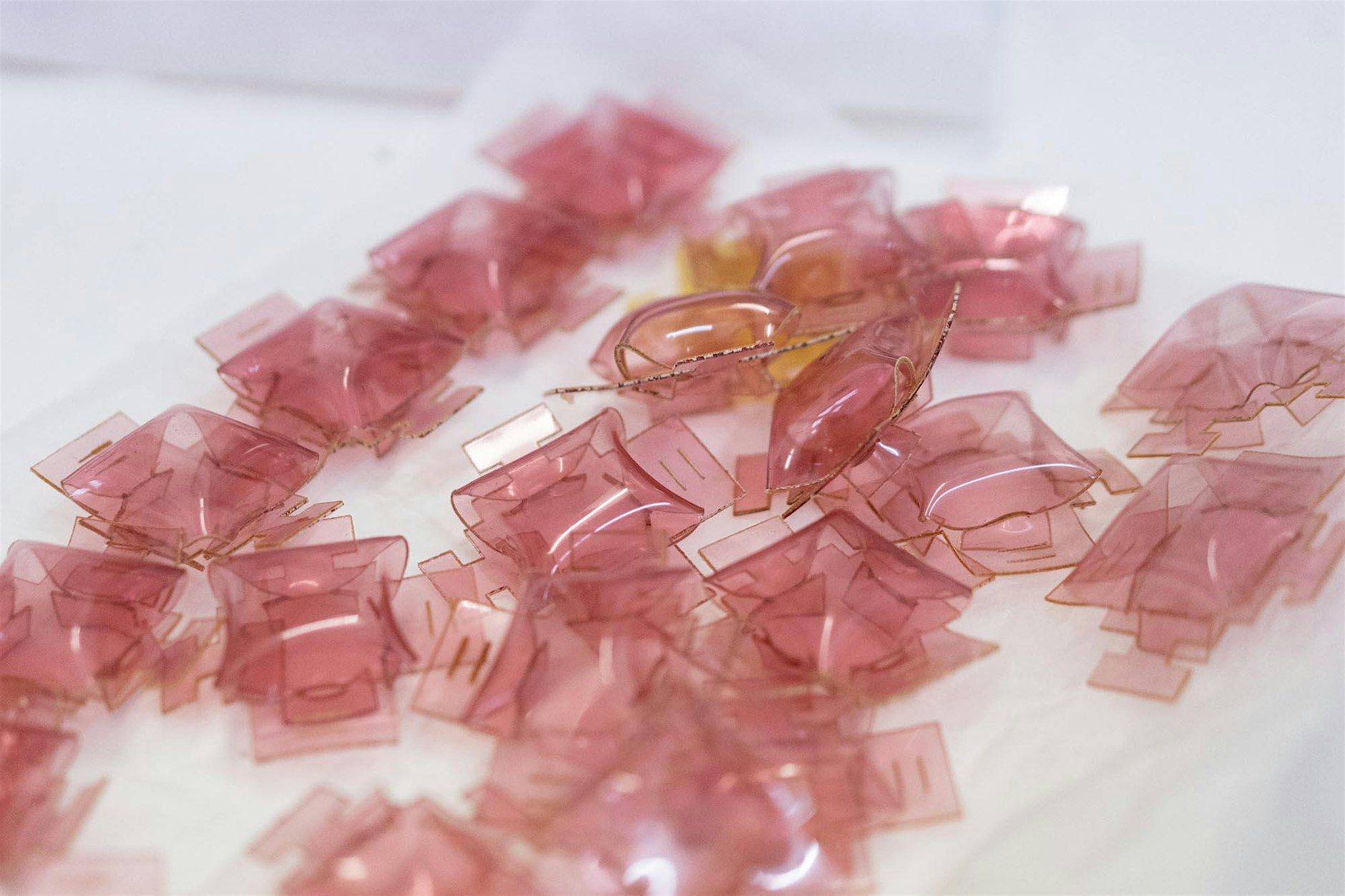
Join us at the Learning Center and step into our hands-on Intro to Bio-Materials workshop and learn to transform everyday biopolymers—like gelatin and algae—into colorful regenerative materials that can be used in experimental fashion and apparel. Over the course of this immersive, in-person session, you’ll explore the principles, tools, and techniques behind bioplastic textiles and design your own eco-friendly samples. You’ll leave with a one-of-a-kind creation and new skills and knowledge to deepen your experimenting on your own.
Every ingredient we use is people-safe, planet-safe, and fully biodegradable, giving you a solid foundation for experimenting with any biodegradable material in the future. Bio textiles like these can be made into anything from wallets and footwear, to garments and even press-on nails! Whether you’re a designer, maker, or simply passionate about circular practices, this workshop is your gateway to crafting textiles that will safely return to the earth. Join us!
Why Attend?
- Hands-On Learning: Gain practical experience in designing and working with bio-based materials, textiles, and bioplastics.
- Regenerative Materials: Work with natural, biodegradable materials and dyes that can safely return to the earth.
- Material Traceability: Learn where your materials come from—tracing their journey from land to textile.
- Creative Exploration: Experiment, play, and push the boundaries of sustainable textile design.
What to Bring: A notebook if you’d like to take notes. Crochet or knitting needles for our bio algae yarn. We’ll have a break for lunch, so please bring your own (complimentary coffe and tea will be provided).
Don’t miss this chance to explore the intersection of sustainability, design, and innovation. Secure your spot today and join us in shaping the future of material design!
Instructor bio
Olivia Cueva is a material designer, technologist, and researcher. Her biotextile work has been showcased globally, including the Future Fabrics Expo in London and WGSN’s Consumer Tech Materials Forecast for 2026. With over a decade of teaching students of all ages, she is the Co-Founder of Oakland Style Lab, a regenerative fashion and footwear lab in downtown Oakland. Olivia holds a Master’s in Interactive Technology & Communications from NYU’s ITP program and a postgraduate degree from Fabricademy Textile & Technology Academy at the Institute of Advanced Architecture of Catalonia.
Website: https://oliviacueva.co/ | Instagram: @oliviacueva.co
What are bio textiles?
When I talk about bio textiles, I’m referring to materials made from renewable biological sources. That can include traditional fibers like cotton or hemp, but in my work, I’m more focused on innovative materials developed through biotechnology — like textiles made from algae, mycelium, or even microbial fermentation. You’re seeing a lot of exciting new materials on the market now, like ones grown from kombucha, seaweed, or fungi. For me, the goal is really to redesign the environmental footprint of the textile industry — moving away from fossil fuel–based materials and cutting down on what ends up in landfills (which, hate to break it to you, isn’t going to degrade in our lifetimes). In my own practice, I mostly work with bioplastic textiles, experimenting with how they can be both beautiful and regenerative.
What are bio plastics and how are they different from the plastic we are familiar with?
Bioplastics, unlike petroleum-based plastics — which never actually disappear but just break down into smaller and smaller pieces called microplastics — are made from natural materials that can biodegrade or be composted. But it’s important to note that not all products labeled “bioplastic” are truly biodegradable; some are made from things like corn but can only break down in industrial composting facilities, which most people don’t have access to. In my work, I make bioplastics from materials like gelatin and agar agar (which comes from seaweed), and these can safely decompose back into the earth or even be re-cooked and re-cast into new material. It’s kind of like making jello — just pouring it into a different mold. I love teaching bioplastics because it’s such a fun, accessible way to start exploring the possibilities of emerging bio-based materials.
What will students learn in your workshop?
My workshop is an introduction to bioplastic textiles, where you’ll learn how to create biodegradable materials colored with natural dyes. We’ll work with two different kinds of bioplastics — one gelatin-based and one agar agar (seaweed)-based. While your freshly made pieces are drying, you’ll also get to experiment with designing on pre-cured bioplastic and take home your own unique creation. It’s a fun, hands-on way to explore this exciting, emerging field of textile design. I hope you’ll join me!
– – – – – – – – – – –
About Fibershed’s Cancellation Policy: Refunds, minus Eventbrite fees, are available up to 7 days before the event. (You may transfer your ticket to a friend if someone wishes to purchase your ticket directly from you. You must let us know about this or any changes via email at learningcenter@fibershed.org.)
_ _ _ _ _ _ _ _ _ _
Service Animals/Pets: There is livestock and an abundance of wildlife onsite, so we ask that visitors please keep their pets at home. Service animals are permitted on a leash.
Directions: Fibershed Learning Center is at 14000 Point Reyes – Petaluma Road, Point Reyes Station CA 94956. Please download your directions prior to departure as cell service in West Marin is limited.
Parking: Please park carefully along the driveway under our redwood trees, or in the main parking area following sign, parking mindfully to allow as many spots as possible.
Still have questions?: Contact us at learningcenter@fibershed.org.