

Experience the Learning Center
Workshops

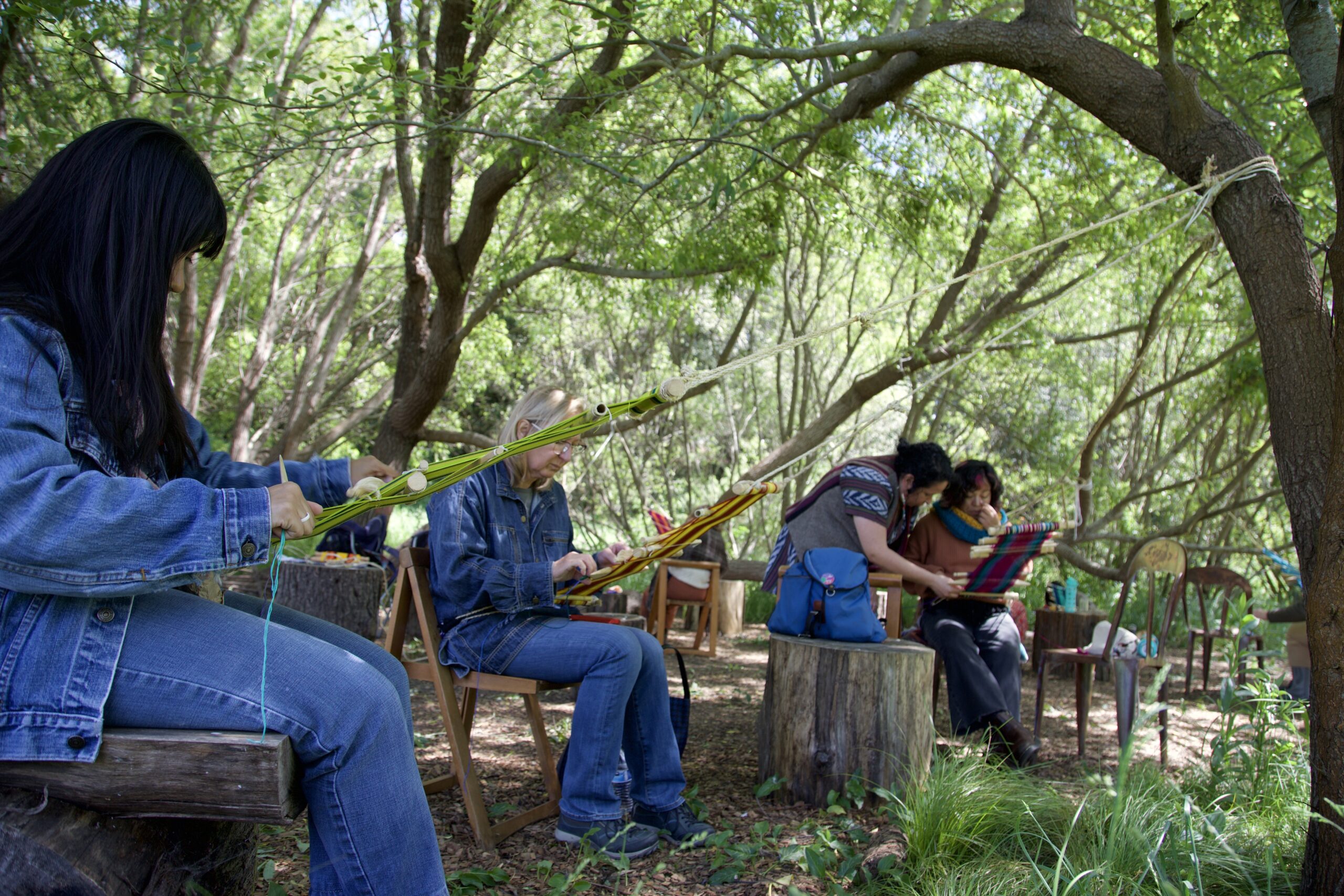
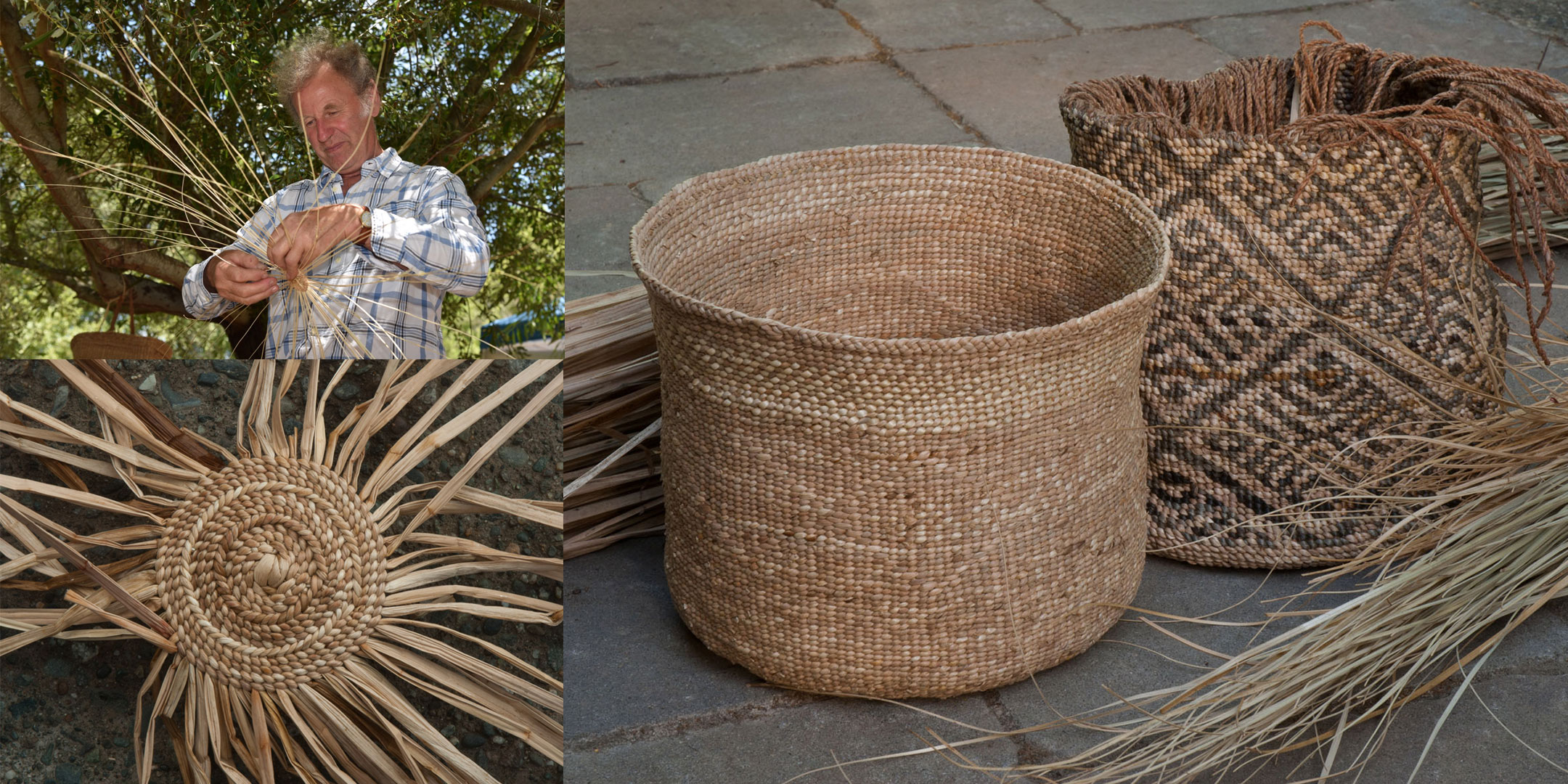


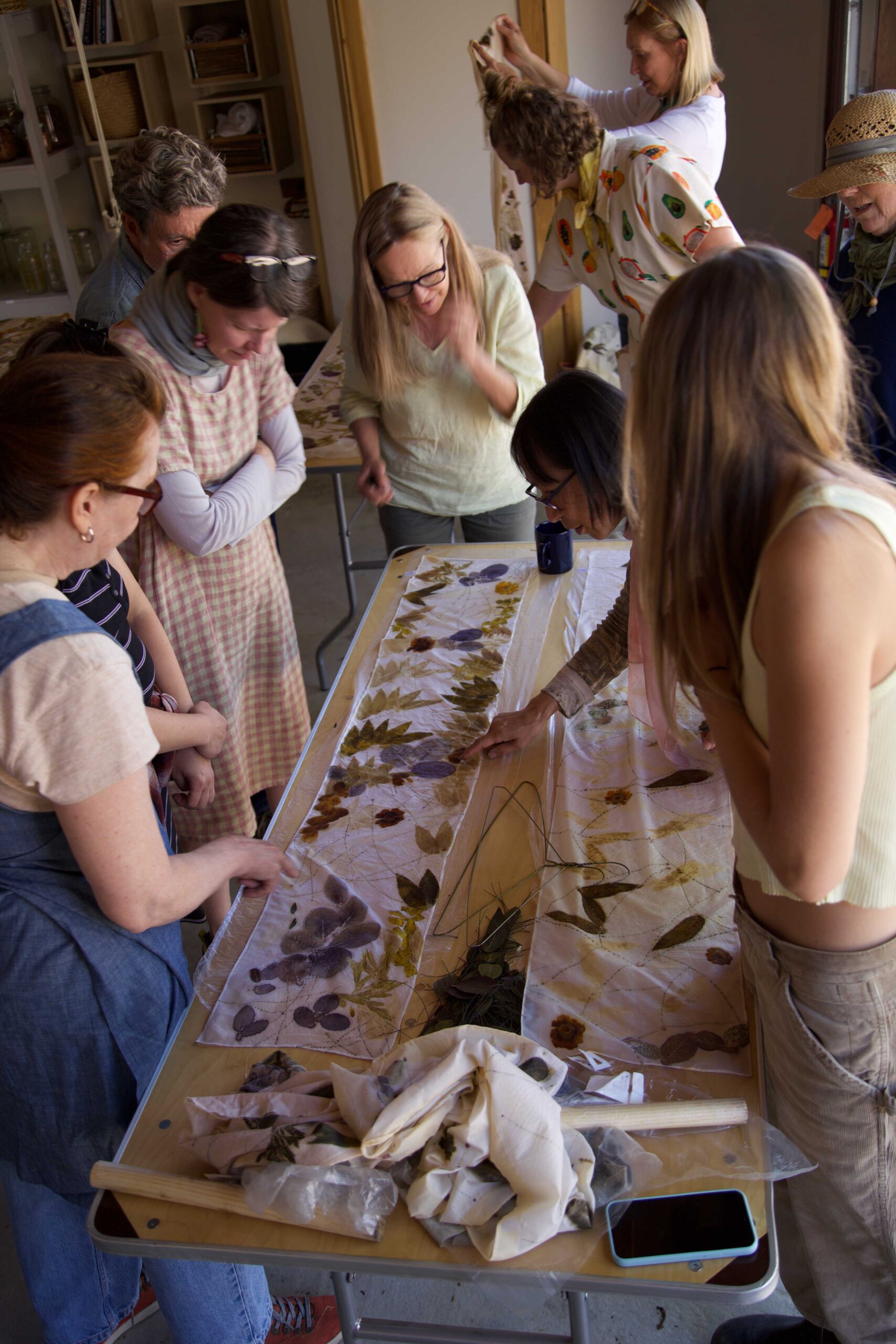
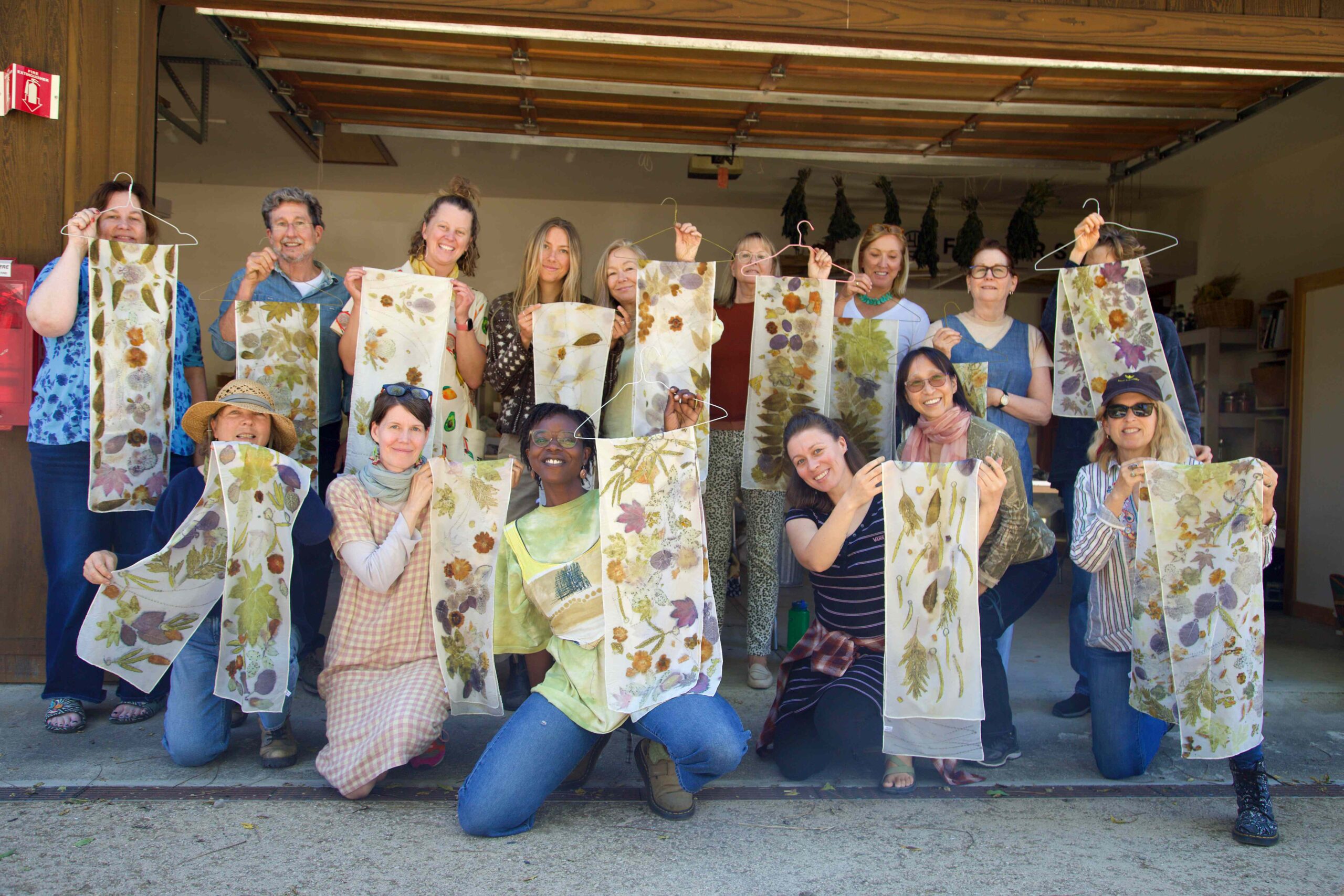
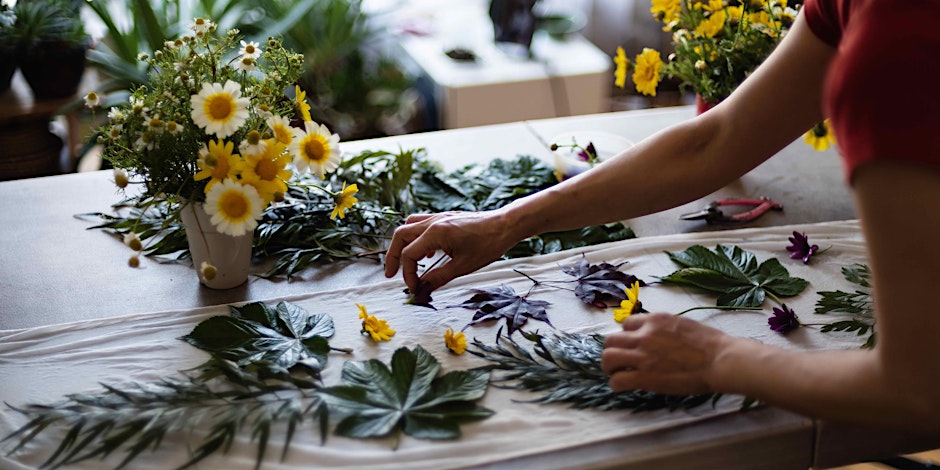
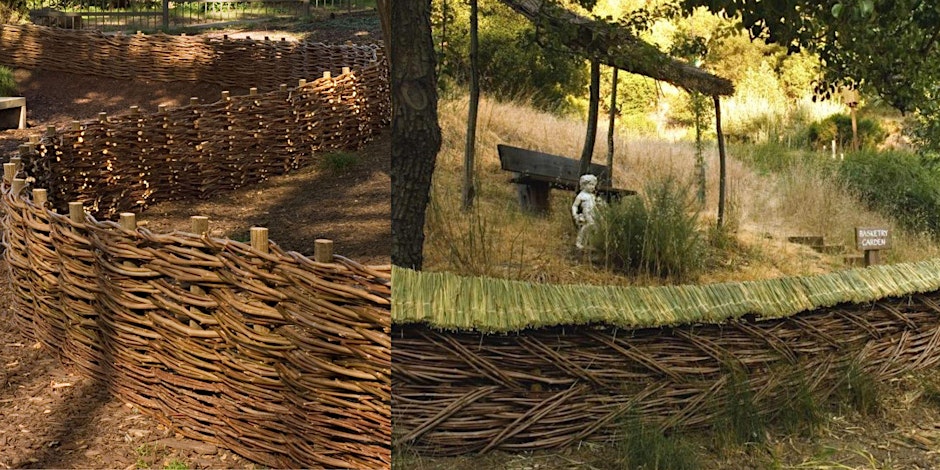
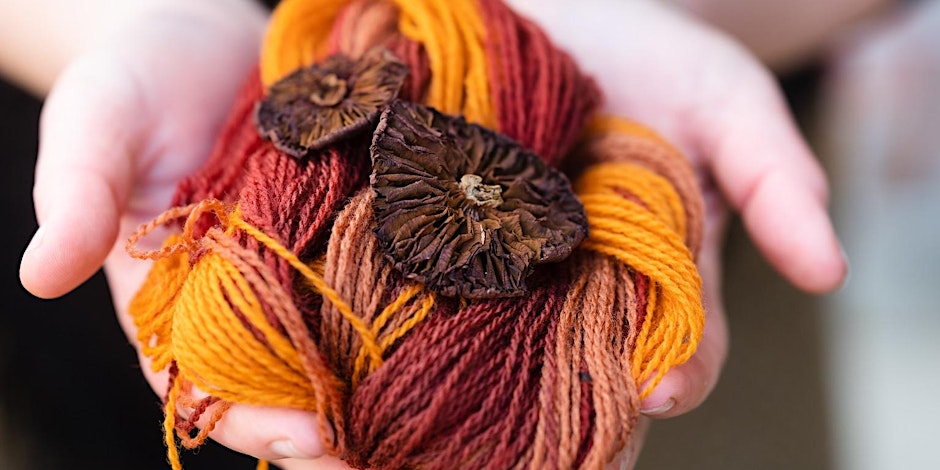
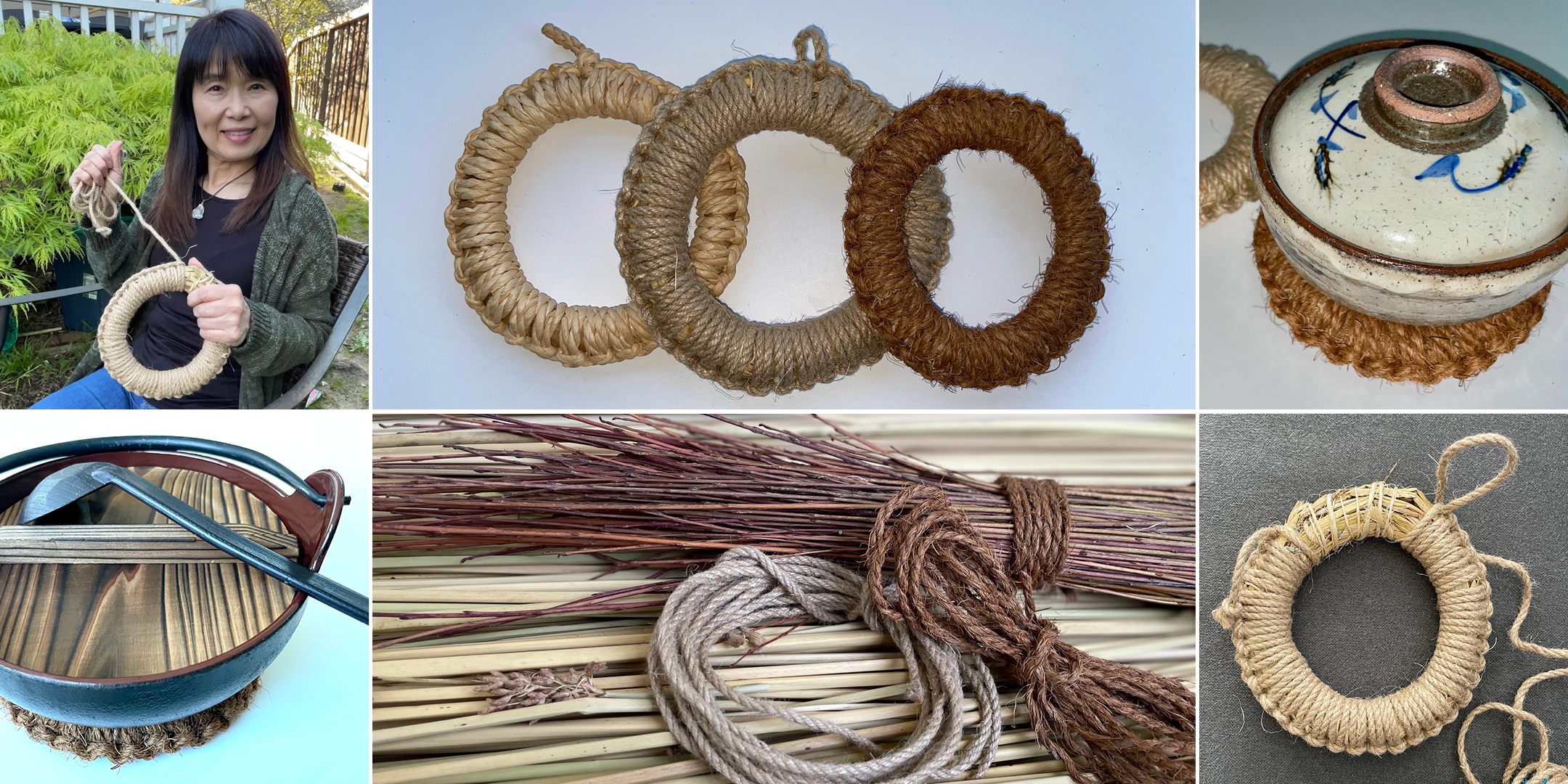
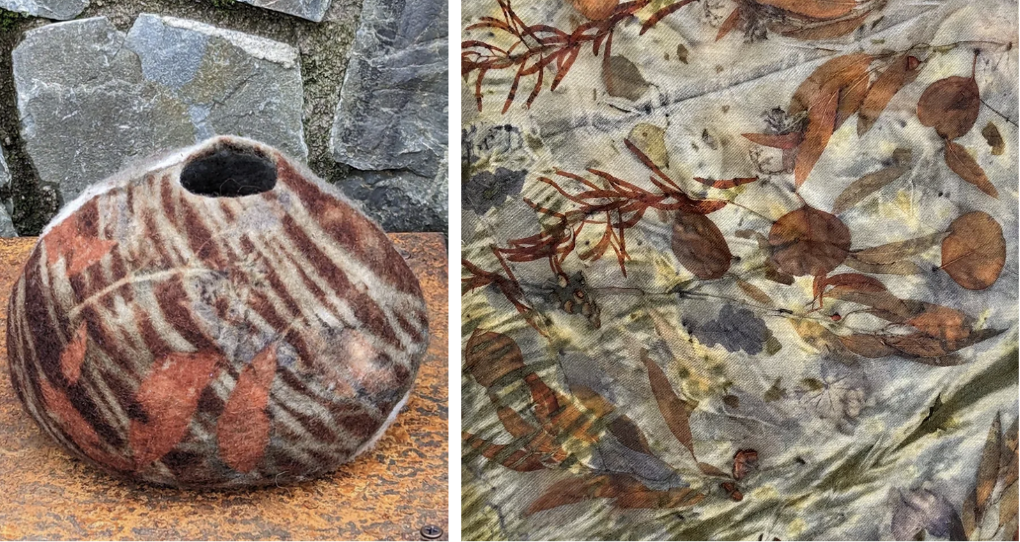
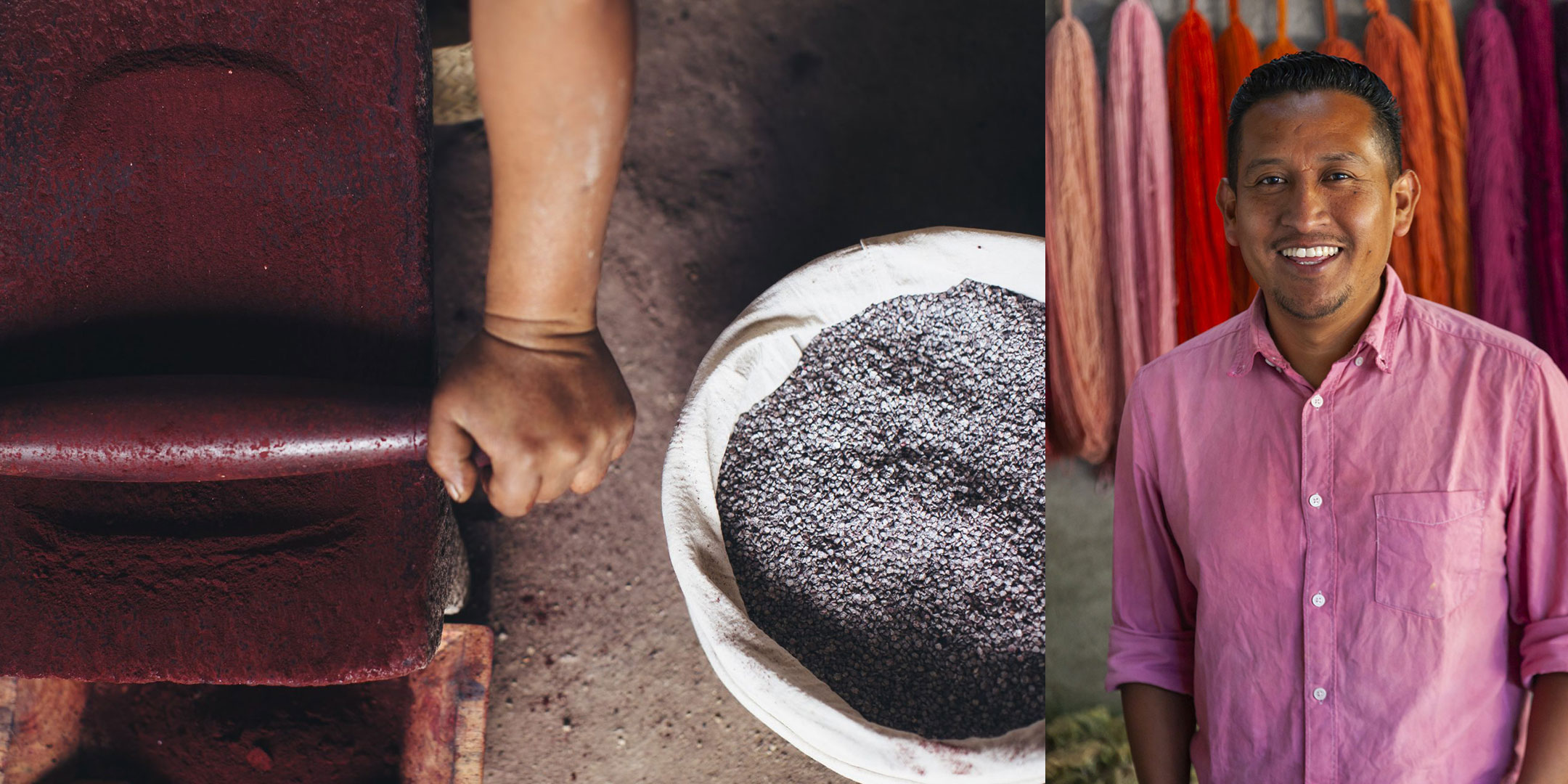
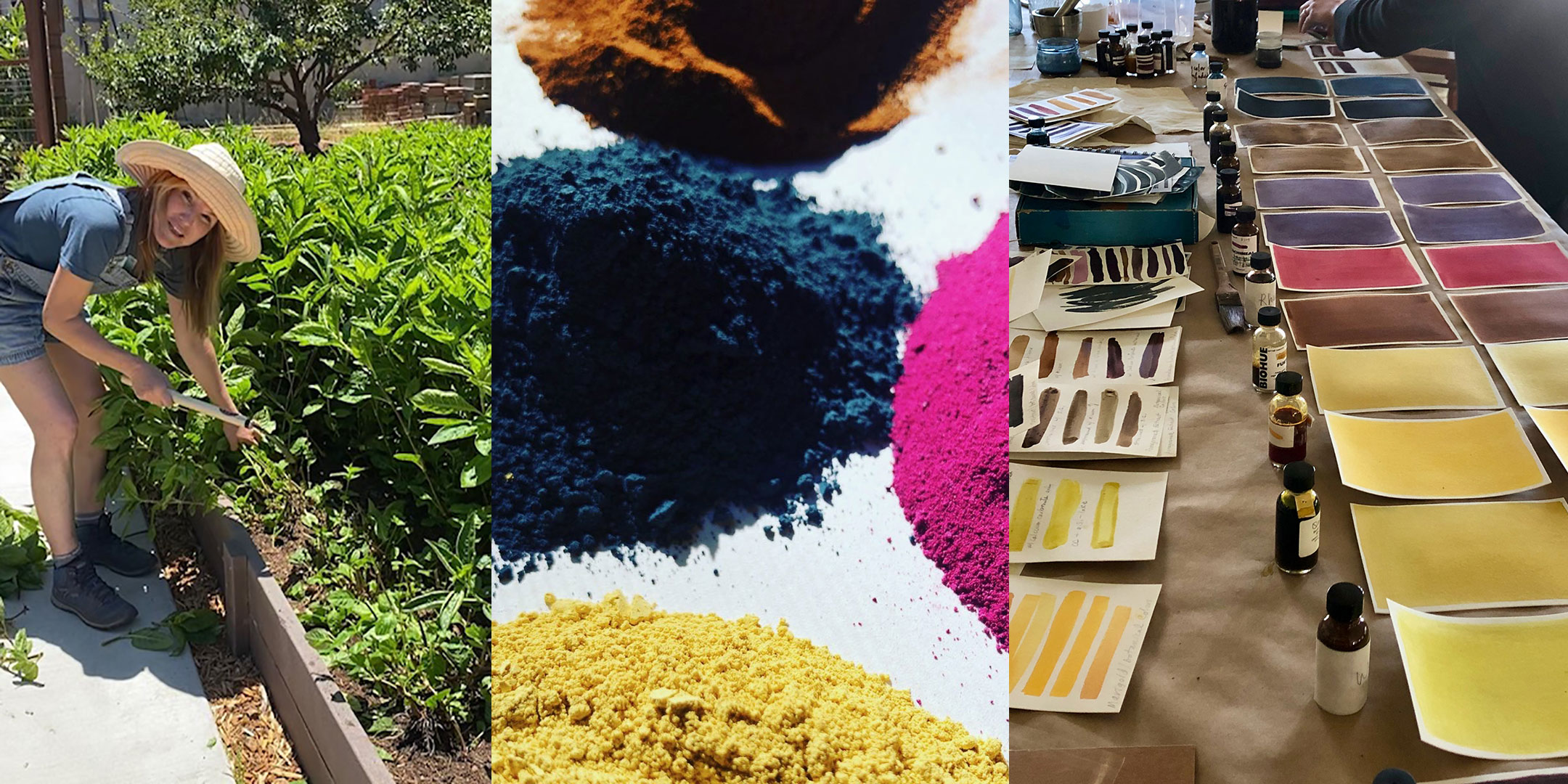
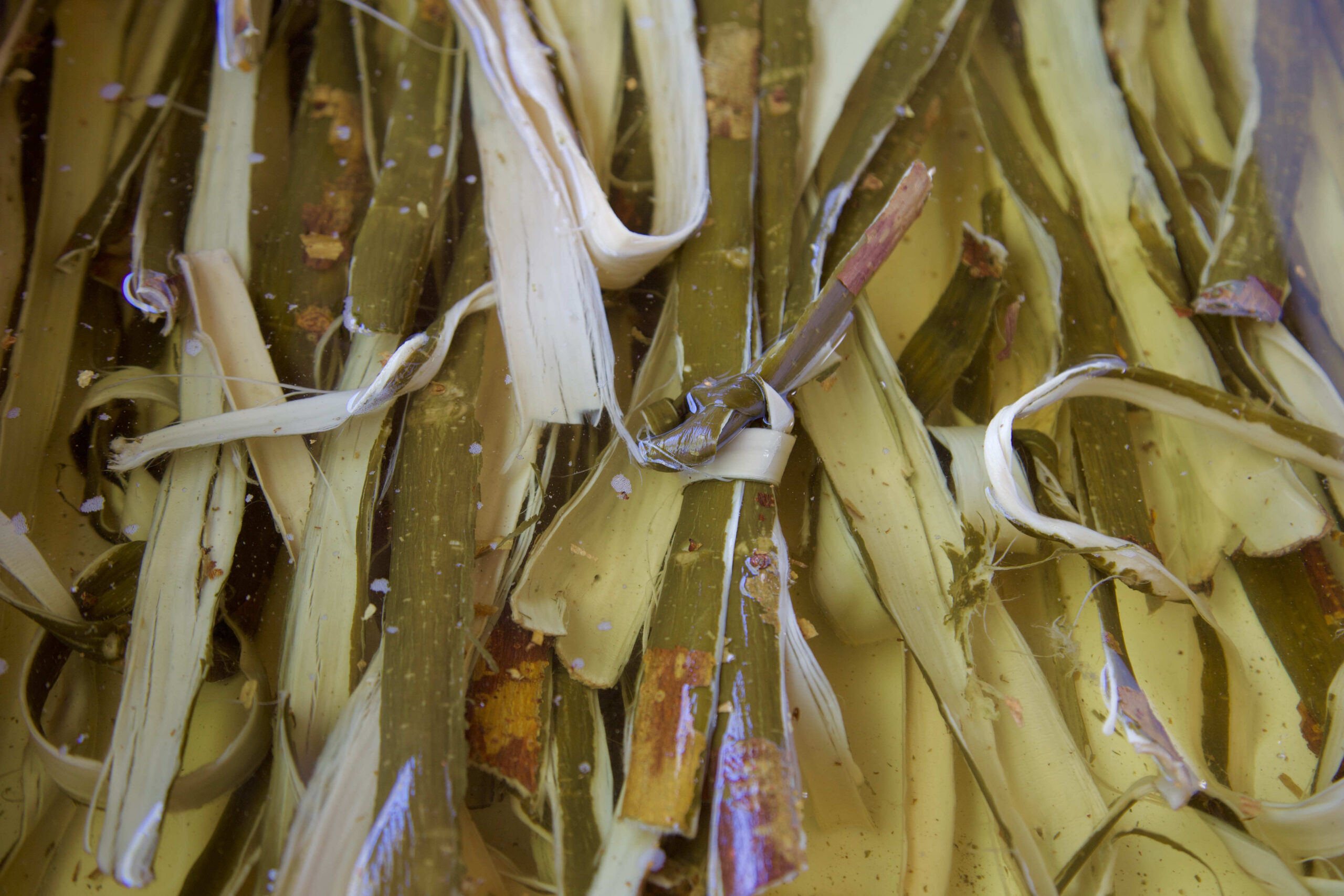
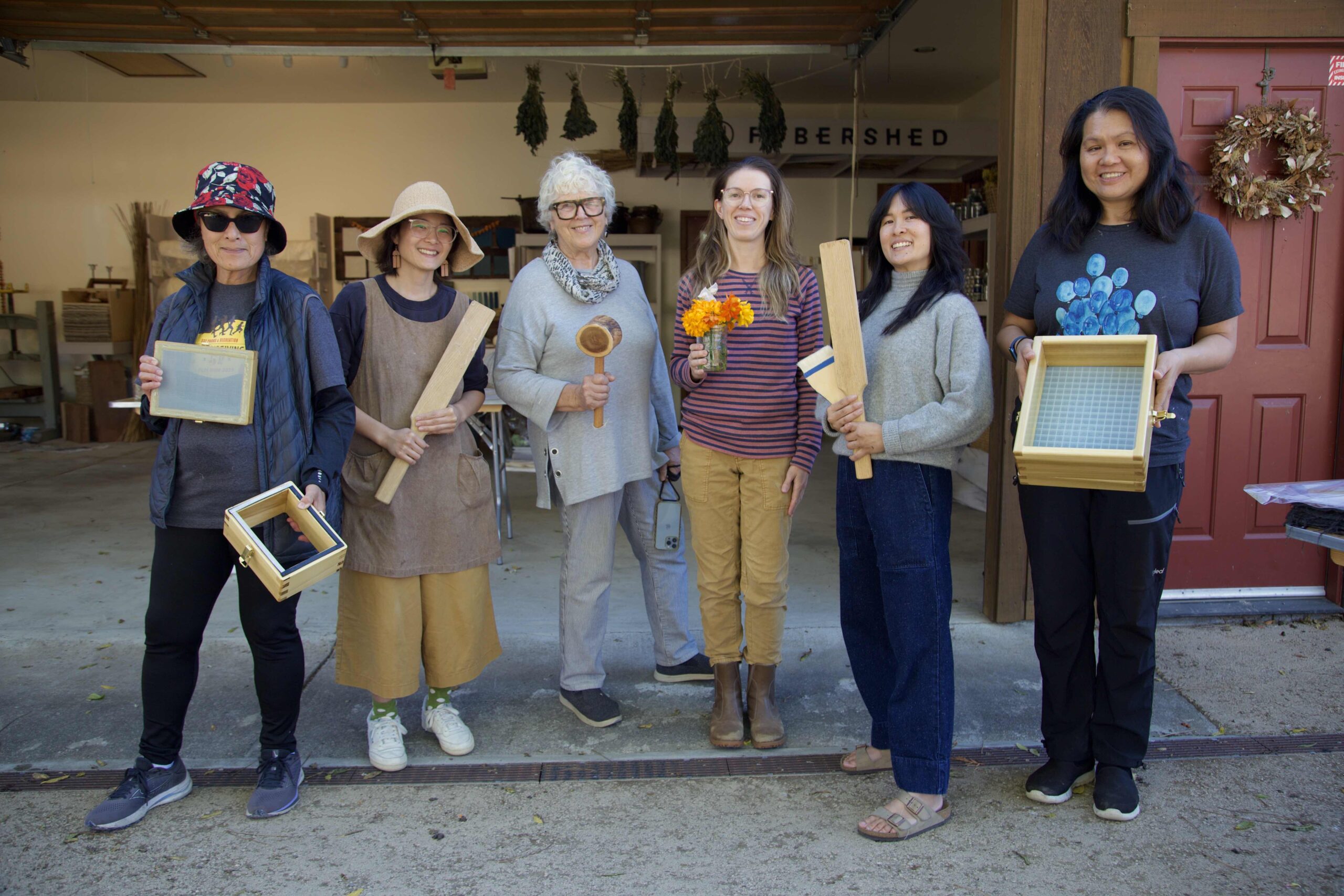
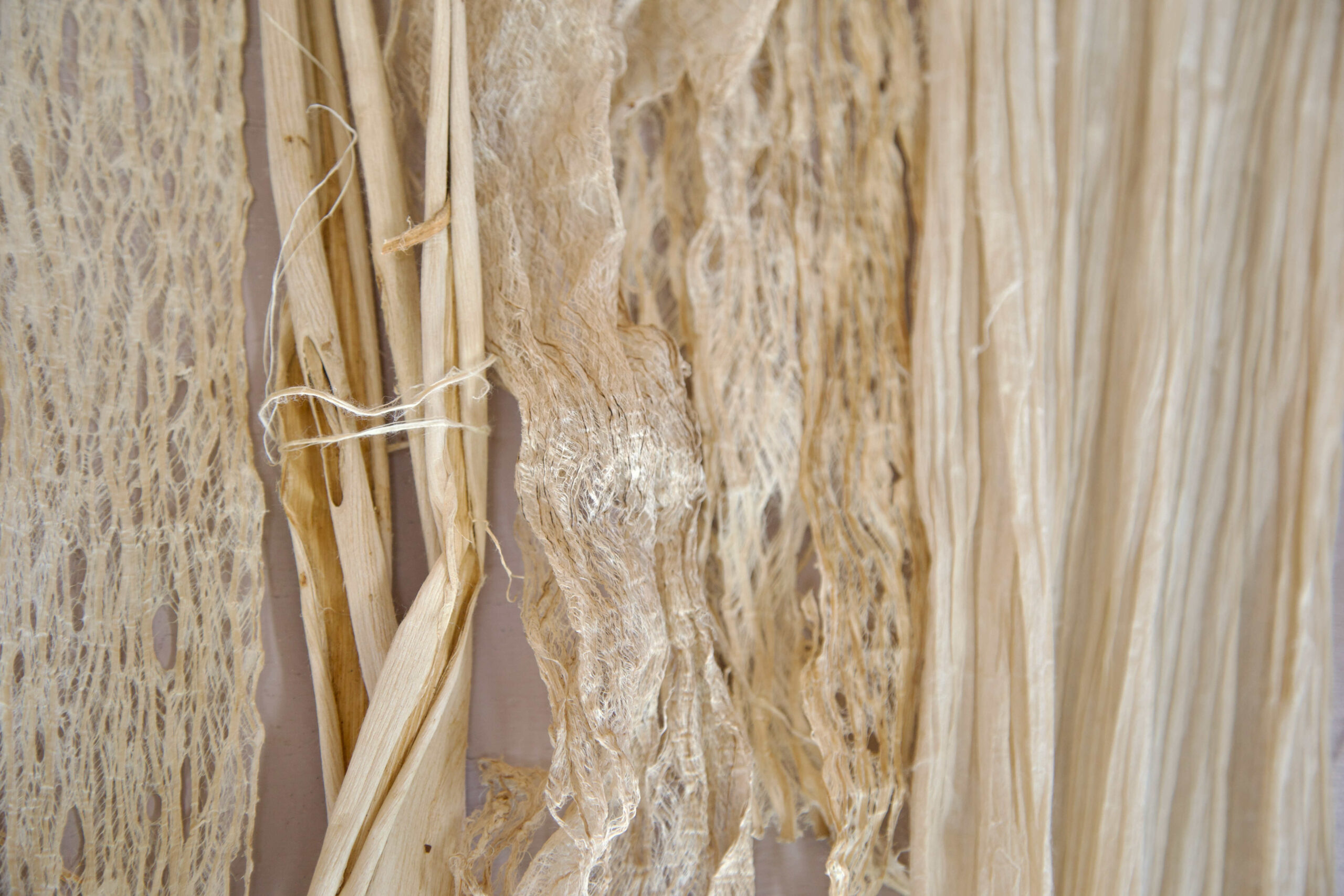
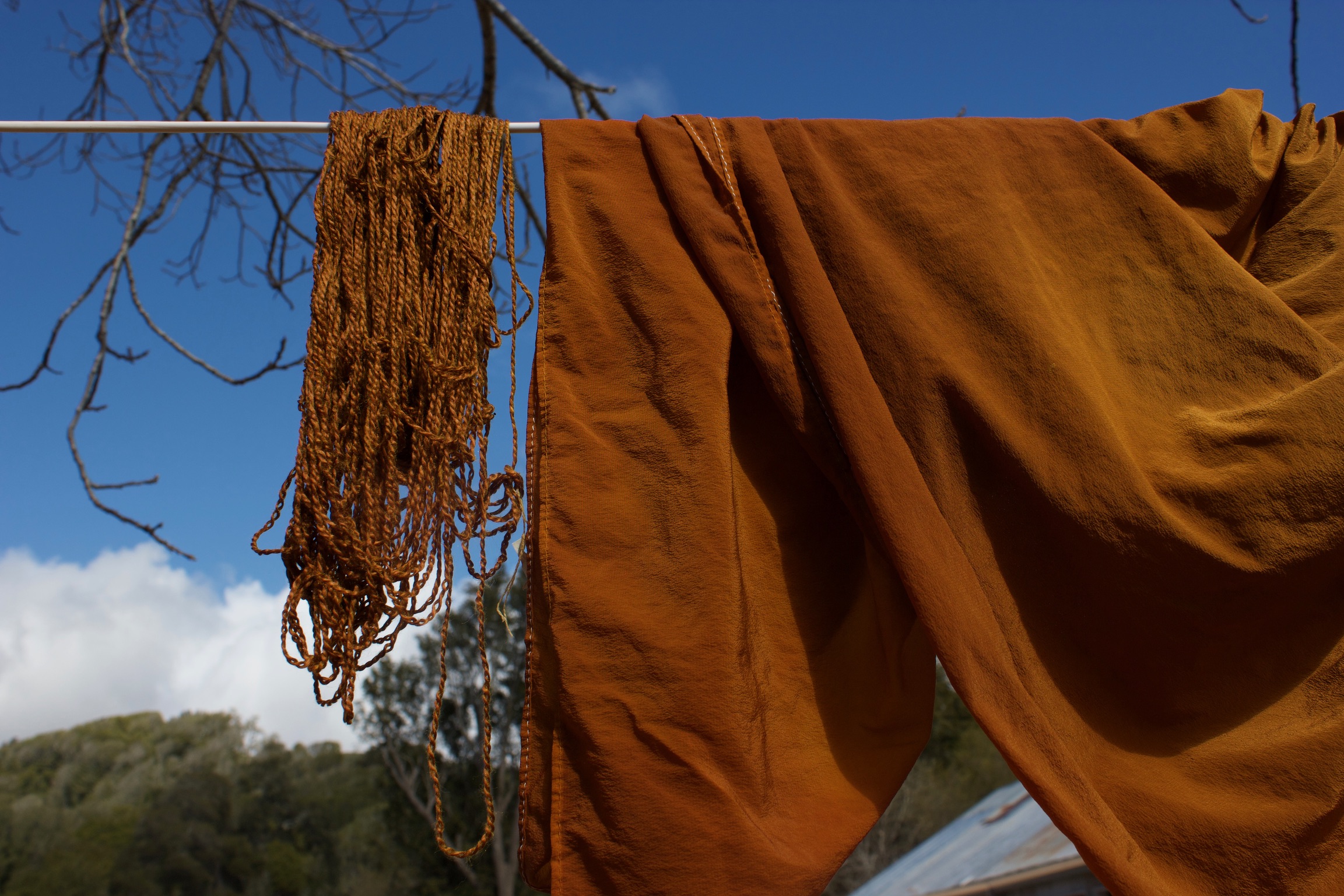


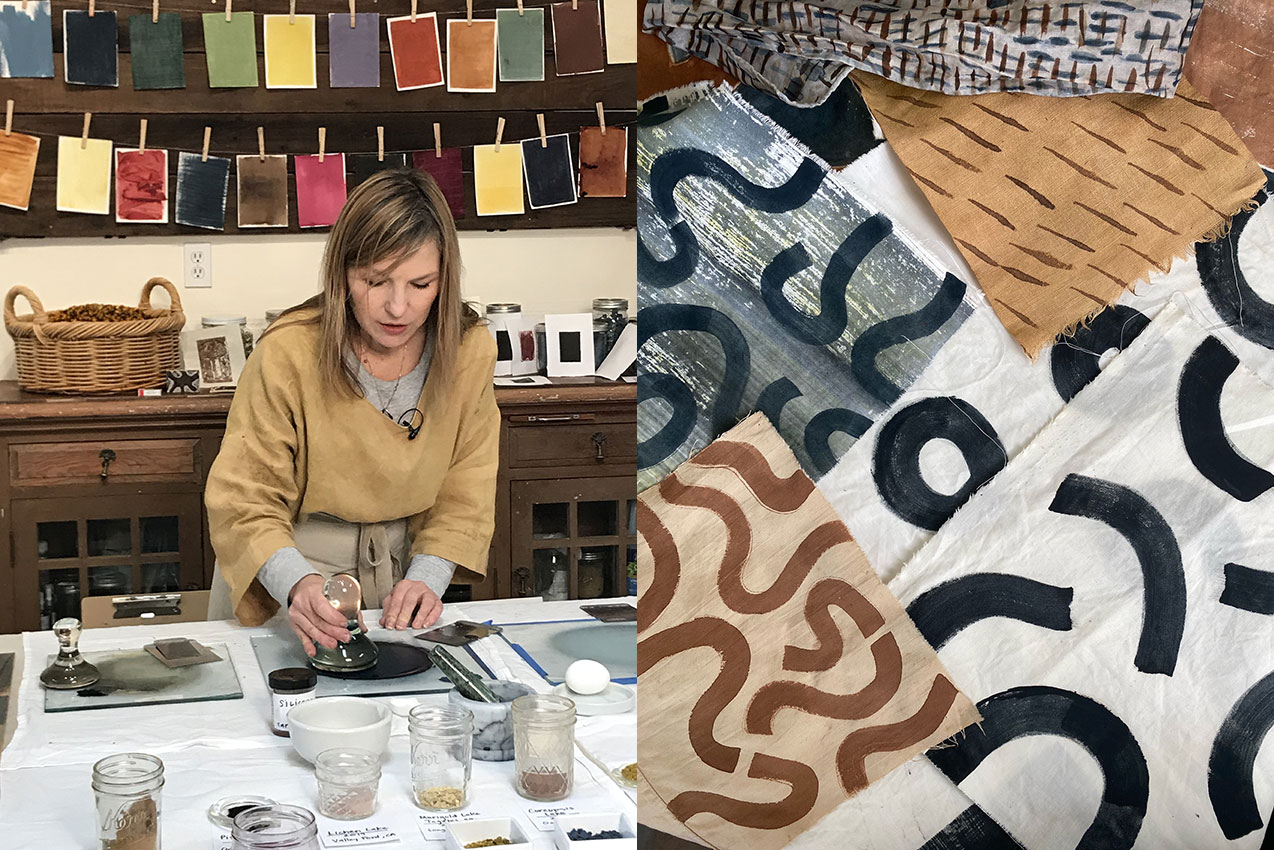
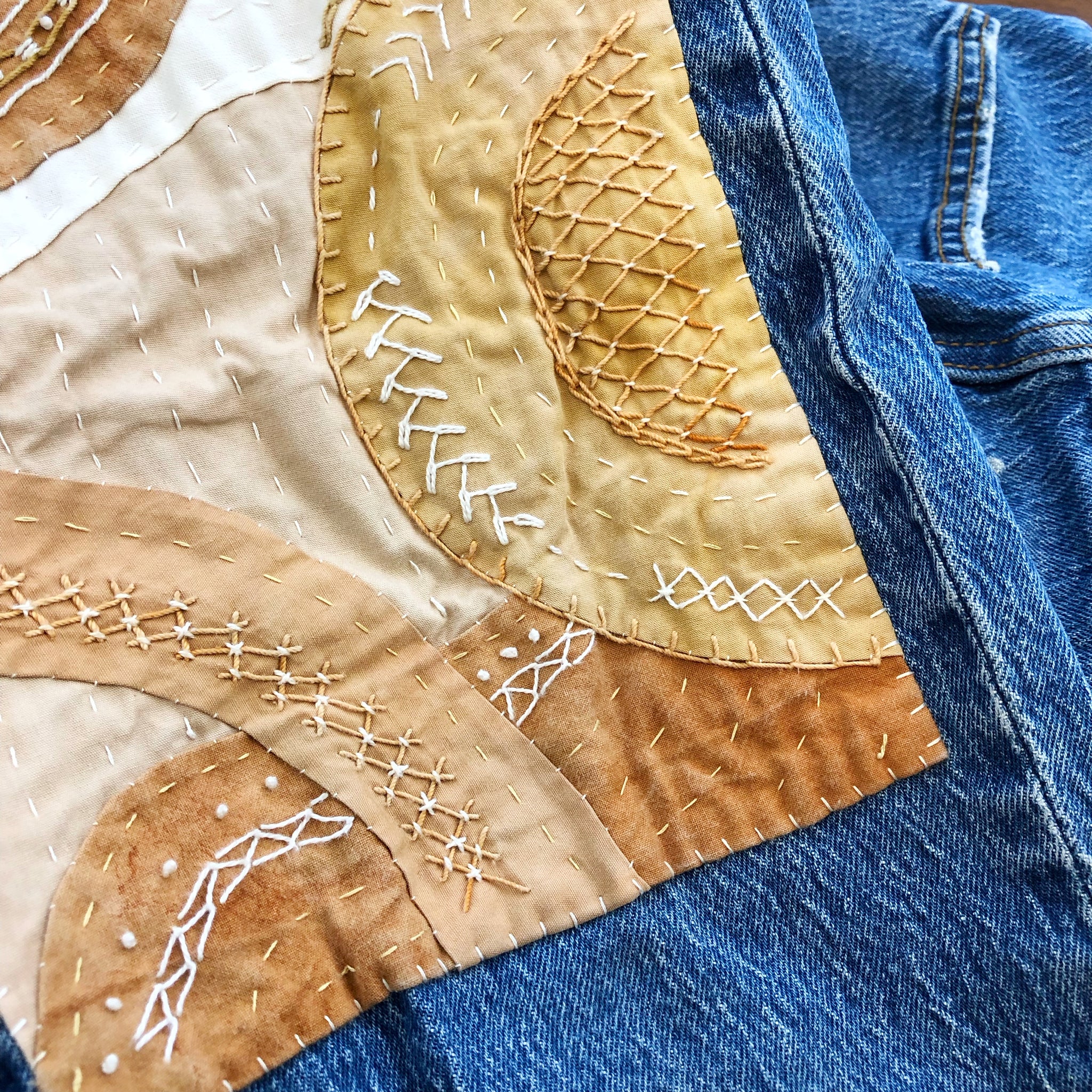
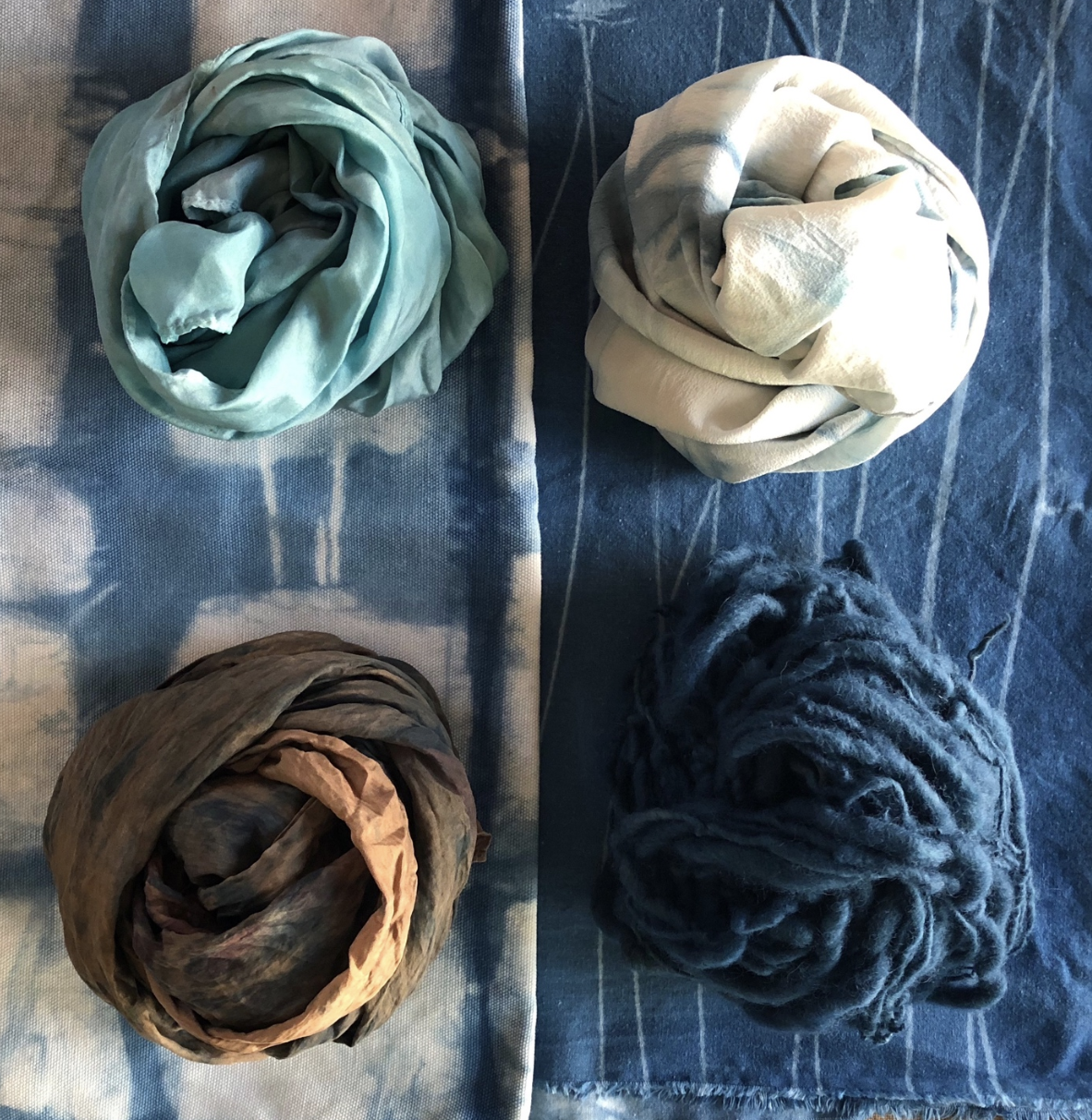
Since the dawn of our brick-and-mortar location, the Fibershed Learning Center has been hosting workshops on natural dyes, natural fibers and textiles, folk craft, and other sustainable artistry skills. With an attuned approach, these traditional skills play important interconnected roles in healthily supporting our environmental systems.
Through our education, we aim to nurture a holistic community understanding of consumption practices and their systemic connections with our ecosystems. By deepening our focus on reciprocal relationships with the ecosystems that we tend and harvest from, regenerative practices can be strengthened from the ground up, starting with our communities.
Sign up for a workshop to learn more about regenerative practices, sharpen your eye toward stronger environmental fluency, and deepen your stewardship skills.
— Upcoming Events —
2026 List of Classes
June 27-Sept 9 • Fibershed + Seelie Studio: Sea to Soil Series
- June 27 – 28, 2026 Saturday 10 AM – Seaweed Color Study with Sasha Duerr – Register
- July 19, 2026 Sunday 1 PM – Mysterious World of Bull Kelp w/ Josie Iselin & Ellen Litwiller – Register
- July 25, 2026 Saturday 11 AM – Create Natural Dye from Sea Urchins – Register
- Aug 22 -23, 2026 Saturday 10 AM – Eco-print Seaweed with Sashoony – Register
- Sept 6, 2026 Sunday 11 AM – Experiment with Seaweed-Based Film with Sway + Fafafoom Studio – Register
Fibershed’s 2026 Fall Events and Workshops:
- August 29, 11am • Saturday: Audrey Dancer’s Clothing Repair and Drop-off at the Learning Center – Register
- September 12, 10am • Saturday: Learn to Grow Flax from Regional Experts with Sandy Fisher – Register
- September 19, 11am • Saturday: Intro to Bio Material Design with Olivia Cueva – Register
- October 10, 11am • Saturday: Broom-making with Abeni Pierson – Register
- October 11, 11am • Sunday: Gourd Weaving using Pine Needles with Abeni Pierson – Register
SAVE THE DATE: November 14, 10am • Saturday: Fibershed’s Winter Market at the Dance Palace downtown Point Reyes Station
For the most up-to-date list of workshops, our Fibershed Eventbrite immediately displays classes as soon as they are available for registration.
Proceeds for each event support the class instructor and contribute to Fibershed for educational programming.
See our Events Calendar for other events and volunteer opportunities.
Fibershed Tuition Scholarships
Fibershed is offering limited scholarships for workshop tuition costs. If you would not otherwise be able to attend, and would like to be considered as a scholarship recipient, please see our Scholarship Application. Responses will be reviewed by Learning Center staff and kept strictly confidential.
Travel / Childcare Assistance
Fibershed is also offering limited assistance for travel and/or childcare. If you would not otherwise be able to attend a workshop due to transportation challenges or limited resources as a parent, please apply for our Accessibility Assistance application.
For online learning opportunities, check out Fibershed’s videos on demand on Vimeo:
Fibershed Learning Center – Virtual Education
During 2020, when it was not feasible to offer in-person events, we began offering a series of online demonstrations and classes via Zoom, taught by Northern California Fibershed Producer Network members. Videos of these events are available on Fibershed’s Vimeo on Demand channel. Click the link above to learn more.
Learn At Our Green Spaces
Dye Garden
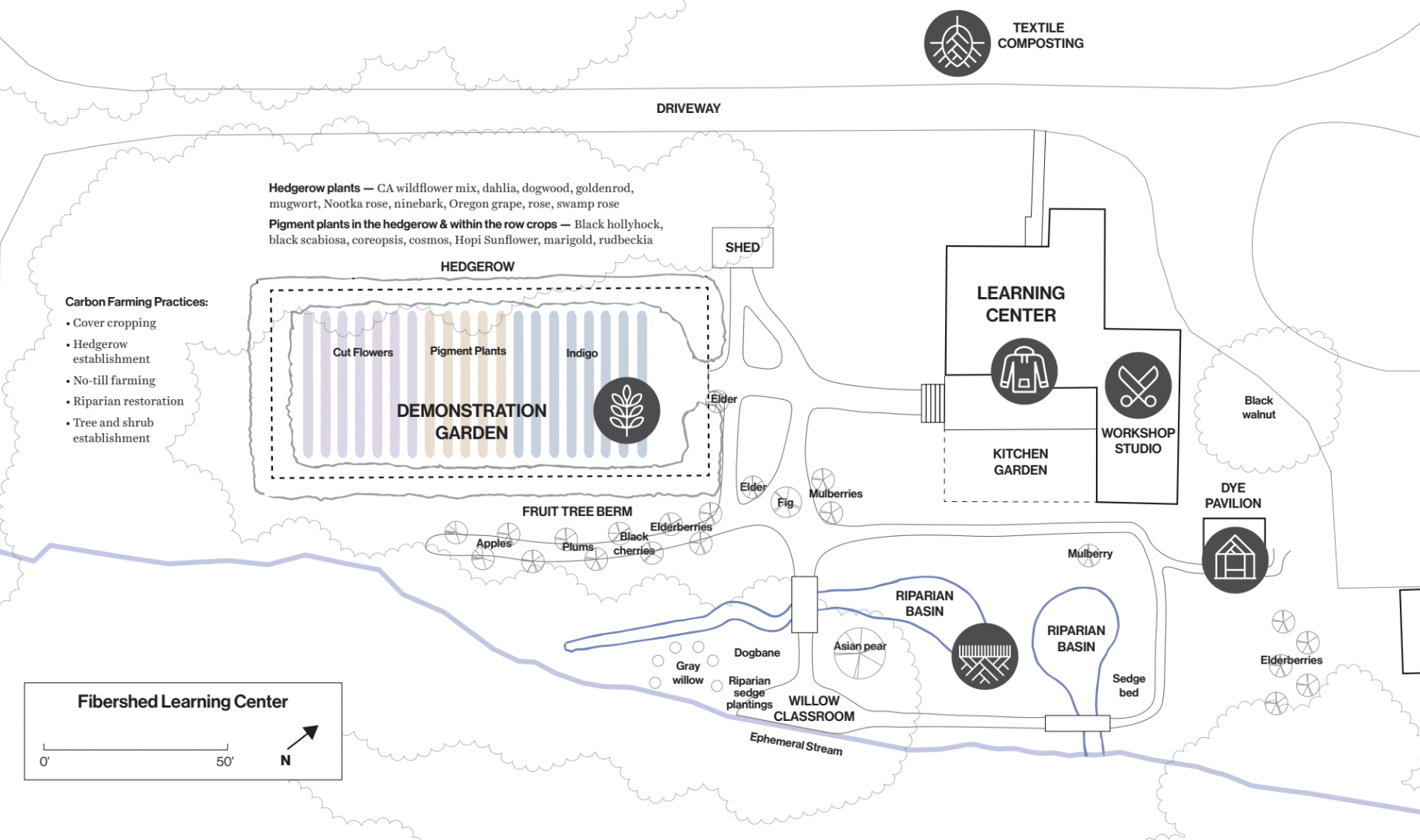
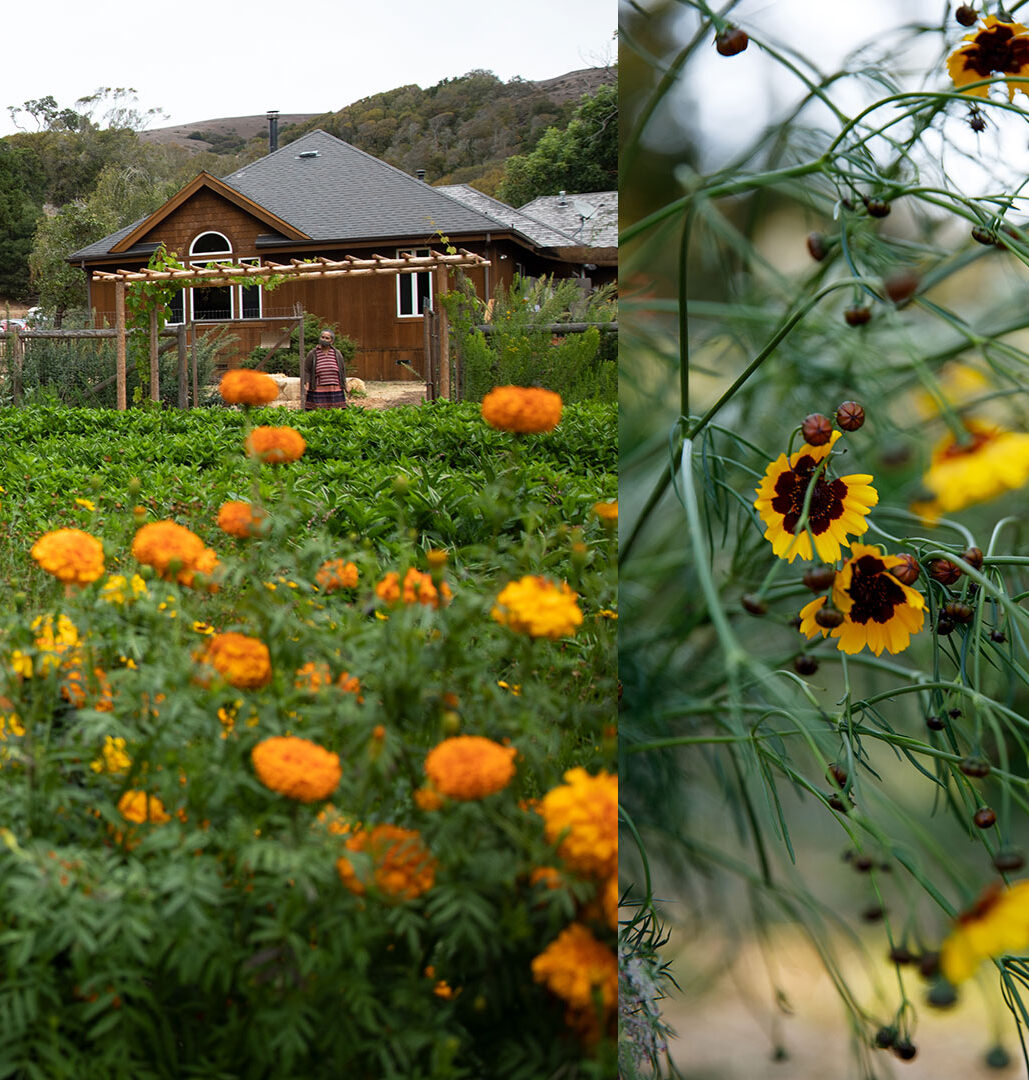
Our 1/3 acre demonstration natural dye and pigment garden incorporates a wide range of both native and cultivated plants with rich cultural traditions of use in fiber and dye systems. These plants help sequester carbon in the soil and we grow, process, and use their pigments for natural paints and dyes, paper, and basketry.
Select dye and fiber plants found in our garden:
Native
• Mugwort
• Goldenrod
• Dogwood
• Grasses
• Sedges
Cultivated
• Marigolds
• Dyer’s Coreopsis
• Japanese Indigo

Indigo Processing
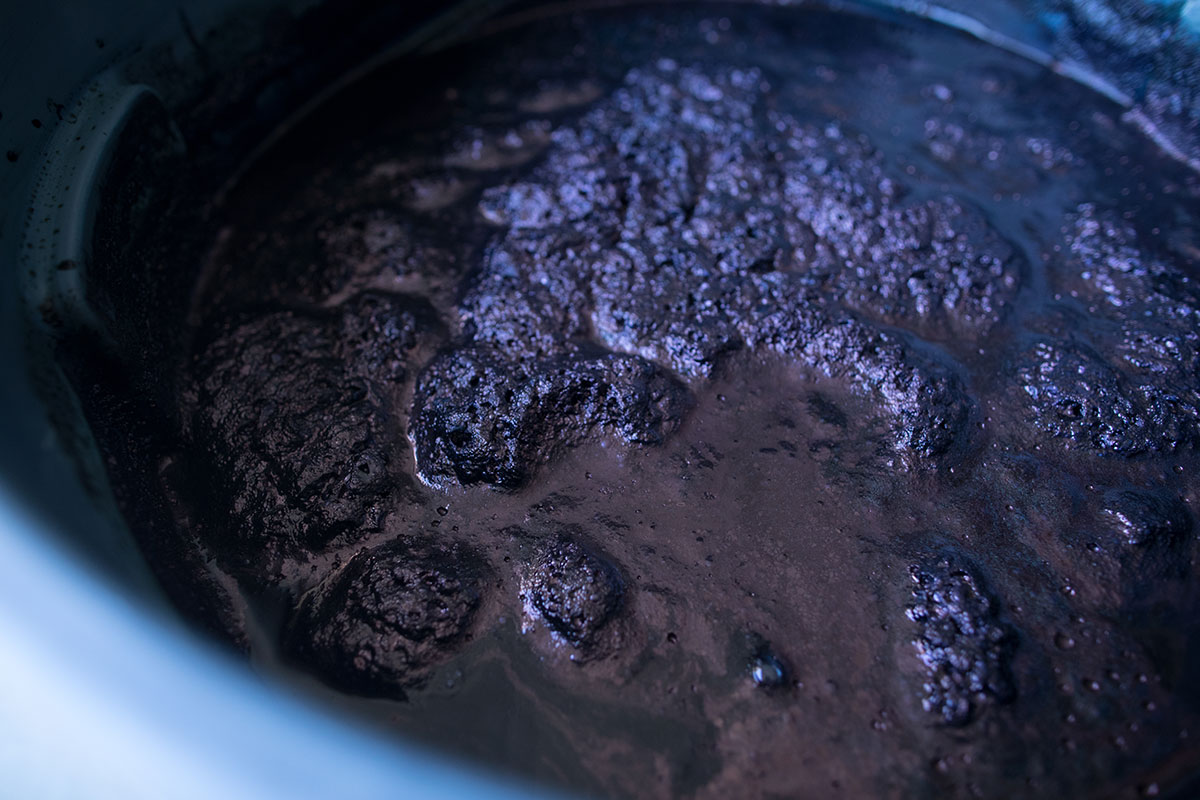
Approximately 1,200 indigo plants are sown each spring that are processed into indigo paste or powder throughout the warm season. In the fall their seeds are saved for planting the following year.
The Japanese Indigo and other natural dye plants generated for pigment are used to support our studio, workshops, and strategic collaborations. Public events in the summer feature mid-scale indigo processing demonstrations in our dye pavilion.

Kitchen Garden
Just outside the Workshop Studio is a tucked away organic edible garden nested below the kitchen deck. Food grown on site varies year to year, but often includes tomatoes, beans, peppers, squash, leafy greens, herbs, and medicinal plants.
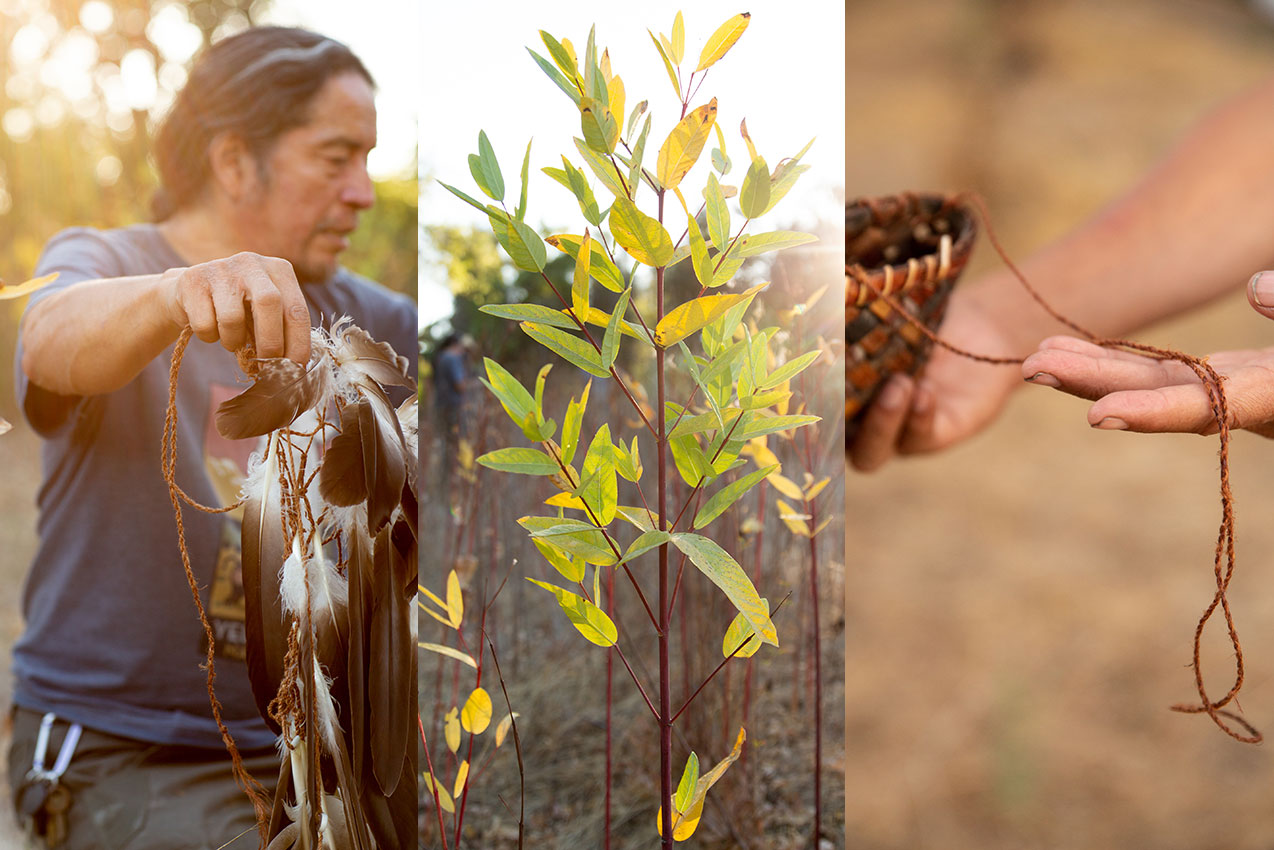
Riparian & Basketry Corridor
See how native and other traditional basketry plants grow, including willow species, rushes, sedges, tule, and dogbane. These plants live along our restored riparian corridor and help supply our on-site educational demonstrations and workshops.

Native Habitat
Since 2020, we have planted thousands of young specimens at the Learning Center of over 50 locally native plant species. These restoration efforts help support local biodiversity by creating habitat and food sources for native fauna. After the first several years of habitat building, native gray foxes have newly begun nesting on our grounds in our new native plant restoration areas.
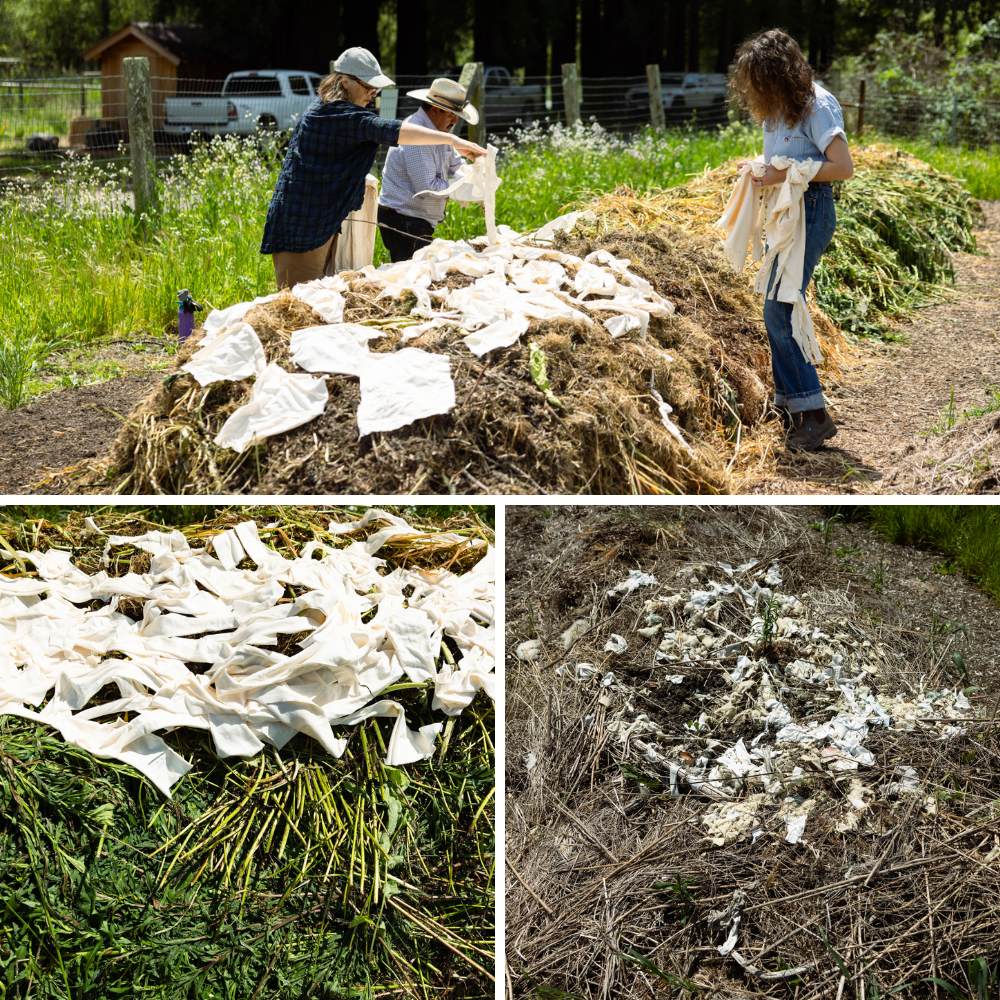
Textile Composting
We maintain a ¼ acre dedicated composting area to process our food scraps and garden plant debris with locally-sourced animal manure, straw, and synthetic-free textile waste back into nutrient-rich amendment for our soil. This compost nourishes our garden and returns the products of the soil, including textiles, back to the earth, completing a cycle.
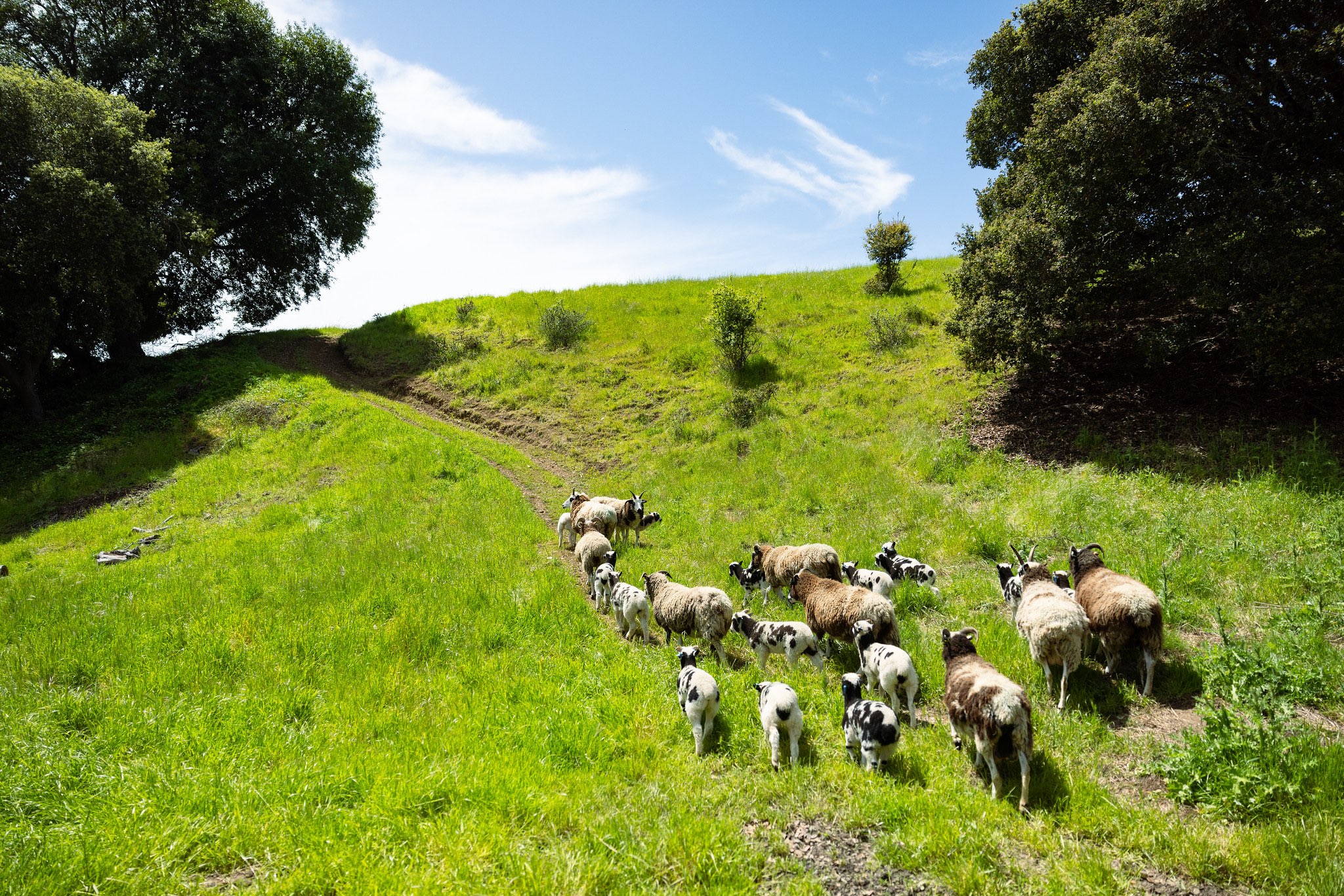
Fiber Animals
Also on the land are sheep and alpacas being raised and tended on site for wool. The animal breeds we have are Churro and Jacobs sheep, as well as Huacaya alpacas, which are all wool-specific breeds. You can spot them across from the textile composting area–they have lots of charm!

Workshop Studio
The Learning Center Workshop Studio is offered as an accessible, multi-use space to our community of artisans, designers, artists, and students interested in strengthening connections between land stewardship and fiber systems.
Regular on-site workshops include subjects on natural dyes, basketry, sewing, paper making, and more.
We provide scholarships and fellowships to support accessibility and cross-cultural learning.
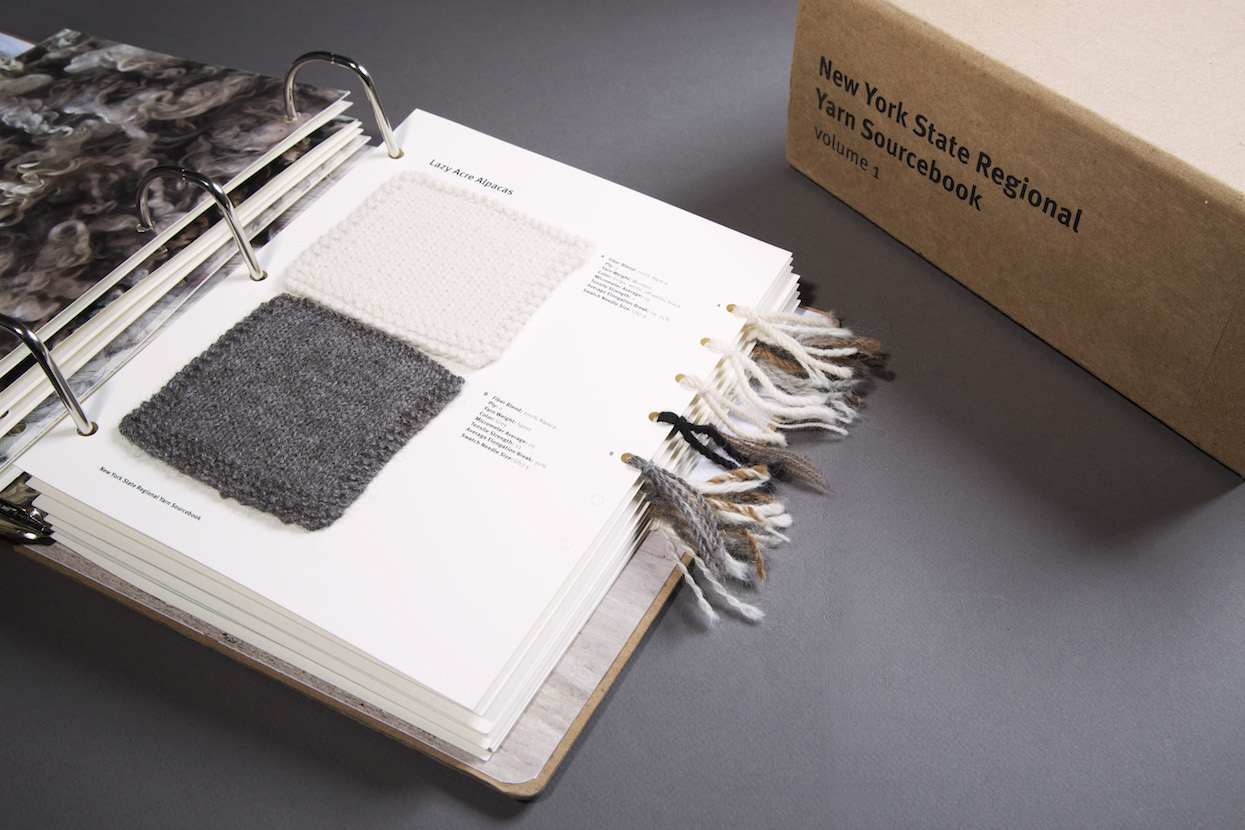
Textile Library
Within our book library, we also keep a continually expanding tactile library of regionally grown, processed, and dyed woven and knit textiles. The samples in the Textile Library are supplied by all different producers in our community network. You may also find samples yielded from some of the workshops we host throughout the year.
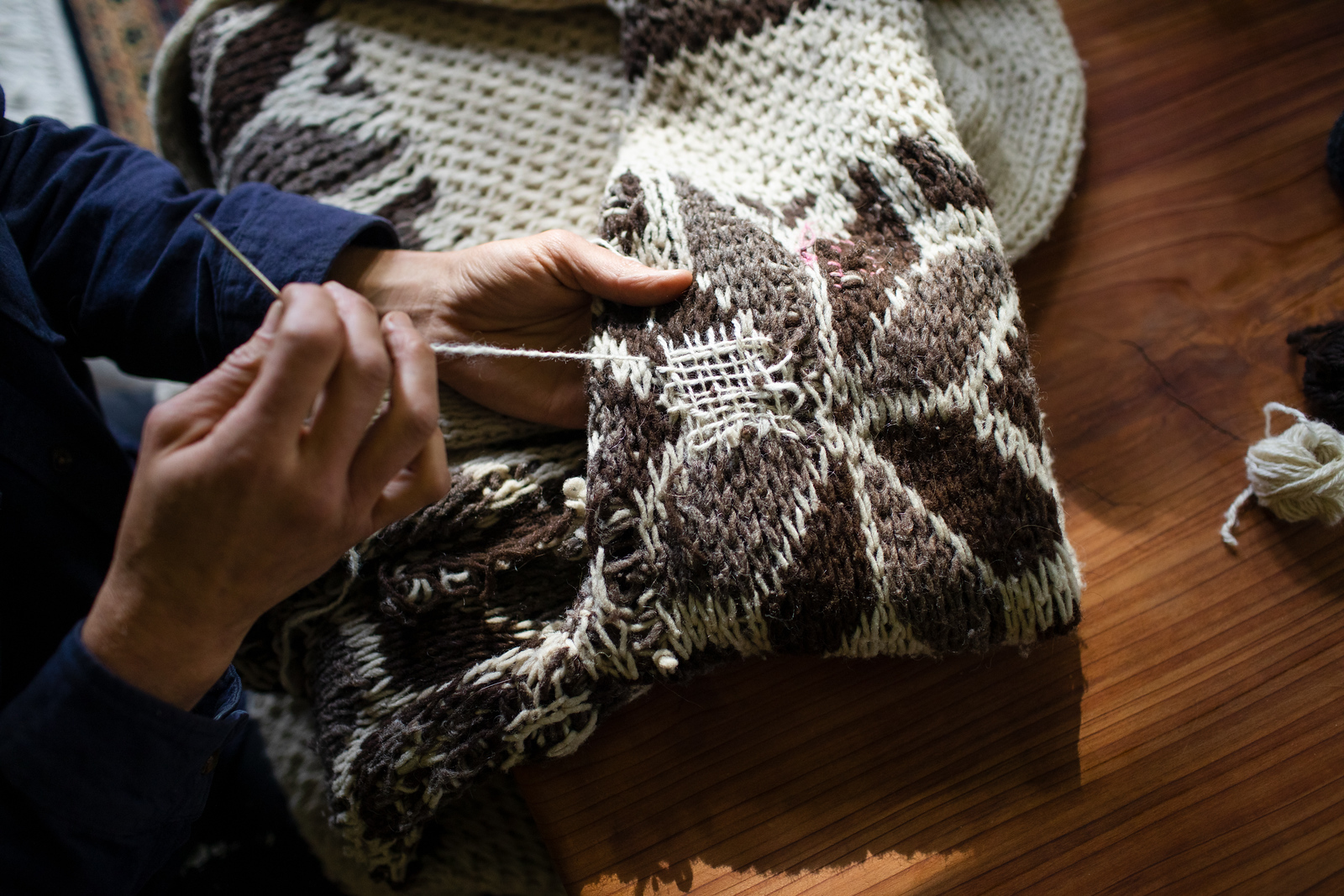
Mending Bar
Learning how to mend our textiles can give them significantly longer useful lives while cutting back the volume of textiles being discarded and its impact on the environment. Our Mending Bar offers mending supplies, fabric scraps, and resources to learn how to repair your clothes and other textiles.

Clothing Swap Closet
Our Clothing Swap Closet is open during public events for anyone to trade their 100% natural fiber garments and accessories. This community resource keeps textiles circulating amongst our community in support of clothing longevity and waste resistance. Contributions must be clean and in good condition.
Get Involved with Fibershed
Actionable ways people can support the Fibershed Learning Center.