

Design Challenge Resources
General Info & Fibershed Resources
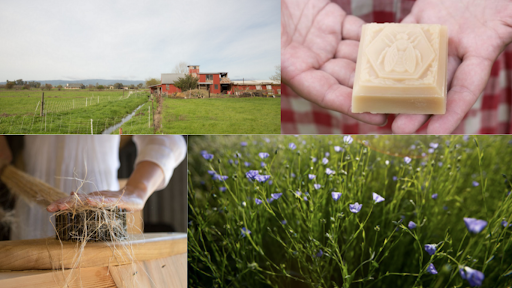
 In Fibershed readers will learn how natural plant dyes and fibers such as wool, cotton, hemp, and flax can be grown and processed as part of a scalable, restorative agricultural system. They will also learn about milling and other technical systems needed to make regional textile production possible. Fibershed is a resource for fiber farmers, ranchers, contract grazers, weavers, knitters, slow-fashion entrepreneurs, soil activists, and conscious consumers who want to join or create their own fibershed and topple outdated and toxic systems of exploitation.
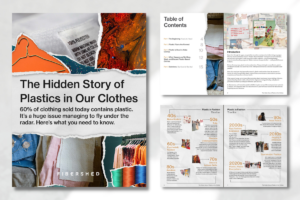 Many of us now know that the ramifications of a plastic world are dire. From the moment it’s born to the end of its useful life, plastic is accumulating in our environment; overwhelming precious ecosystems, and generating toxicity that impacts all sentient life. What many of us may not yet know is how prevalent plastic has become in our clothing. Polyester, a plastic-based synthetic textile, is found in 60% of garments being sold today, and polyester production increased by nearly 900% between 1980 and 2014. In our white paper, we’ll explain how plastic solidified its place as one of the most prominent materials in fashion, we’ll talk about what that means for all of us, and we’ll share some of the best solutions for getting us out of this mess.
 Current systems that produce the clothes we wear are now generating 100 billion garments each year. The pace of this production, the source of the materials and the sheer quantity of waste created are pushing people, land and water beyond their regenerative capacity. Hosted by Fibershed Founder Rebecca Burgess and produced by Whetstone Media, this podcast will include interviews with the shepherds, scientists, and more who are working to transform our material culture to benefit our human and larger ecological communities.
 With the growing awareness around how our food and clothing are made and where it comes from, our curiosity and desire to deepen our understanding of the fiber systems that undergird our lives and the communities impacted by them grow with it. Black Material Geographies is a collection of conversations and stories using Blackness and textile material culture to explore how we can create more sustainable systems and processes amid global climate crises and lifestyles deeply entrenched in global capitalism. This show projects “Blackness” into the past to understand the material cultures of our present and the possibilities for a more sustainable future. We will explore what Black futures could be made of and who gets to make them.
Sourcing Regional Textiles & Dyes
We’ve created a digital Regional Source Book for local and pan-regional farm-forward fabrics produced in California and other Western States. Swatch books will be available to participants soon.
More sourcing resources are found in this section below.
Designing for Healthy & Resilient Ecosystems
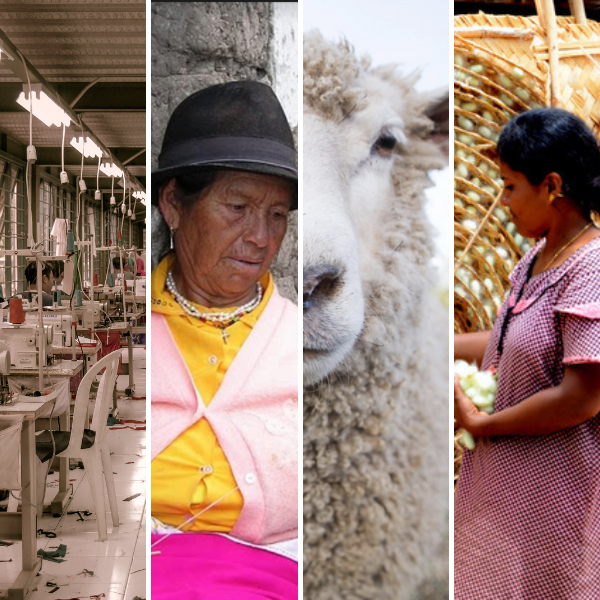
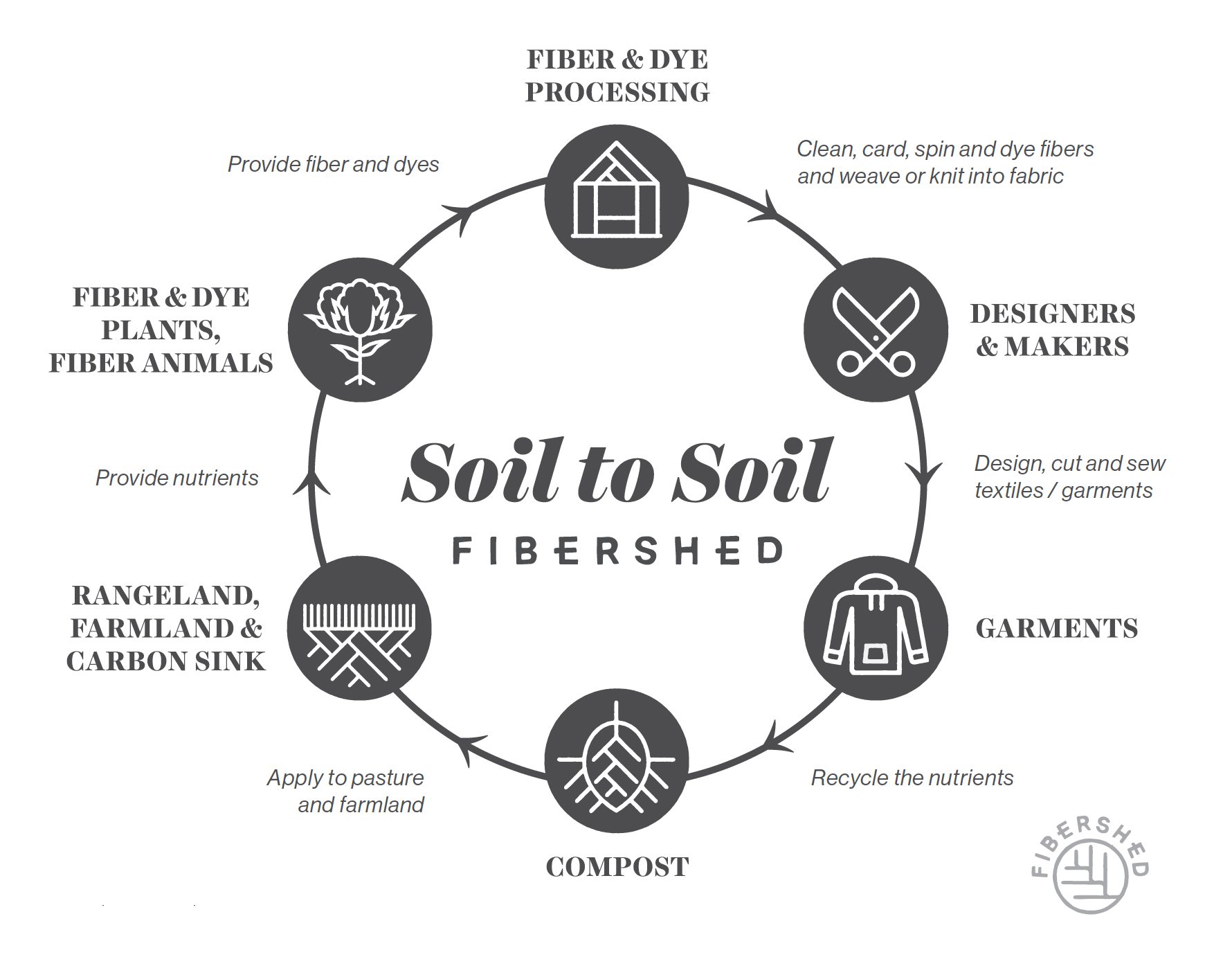
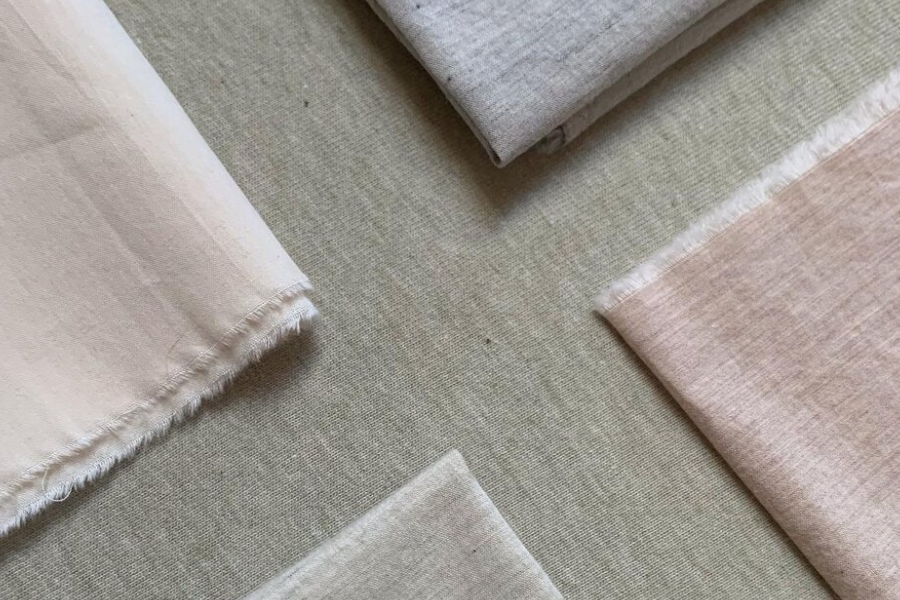
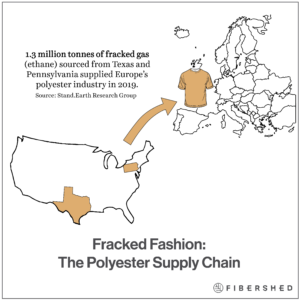
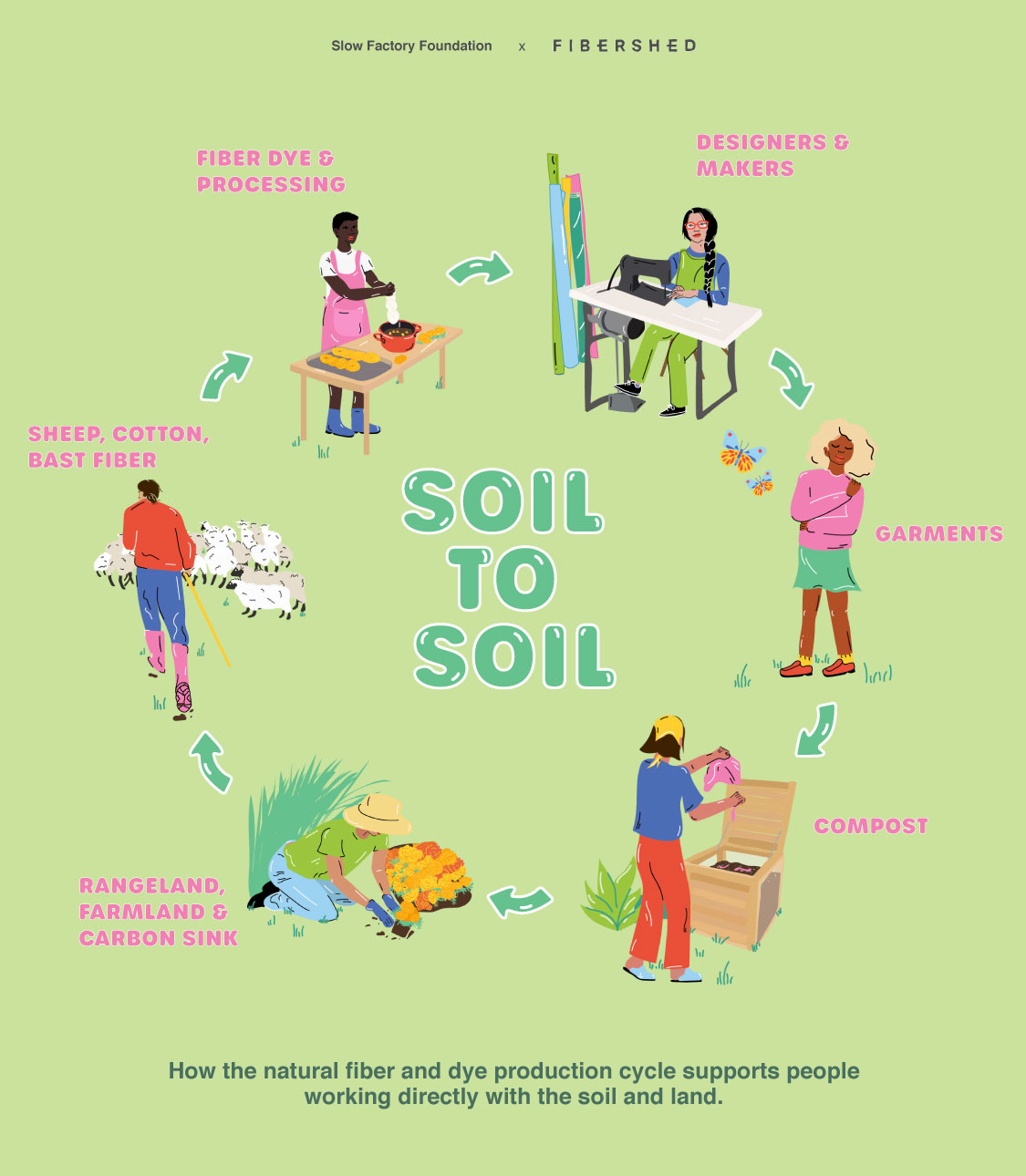
Our current globalized textile industry is responsible for pollution across the supply chain and is a significant contributor to emissions driving global climate change. We can re-design for regionalized, soil-to-soil systems that improve ecosystem and community health while providing for our material needs.

Designing for Healthy & Resilient Communities
Textile design can help support healthy resilient communities, causing a ripple effect that makes consumers less reliant on global supply networks that harm communities and ecosystems. Regional focus and connection allows you to discover culturally relevant opportunities to support resilience.
Professional Development/Technical Focus Areas
As you design with the local land and people in mind and the above components, we encourage you to incorporate the following technical design focus areas into your prototypes:
- Compostability: Utilization of natural fibers and dyes that begin and end with the soil, including notion material choices such as threads and closures.
- Longevity: High quality designs and materials that reflect long-lasting use, repairability, adaptability, and mobility in every component of the piece.
- Zero Waste Design: Garment and pattern design to prevent fabric waste.
More resources to be added throughout the Design Challenge.