

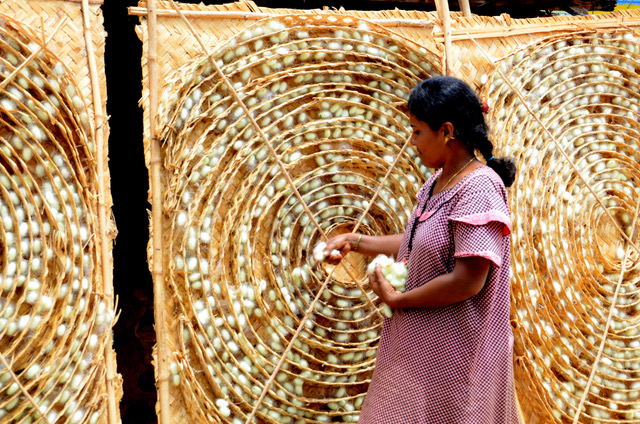
In a series of 3 articles, I hope to shed some light on the absurdity and injustice of many of the claims ‘sustainable’ fashion has leveled against silk.
Read MoreAuthor: Sirima Sataman
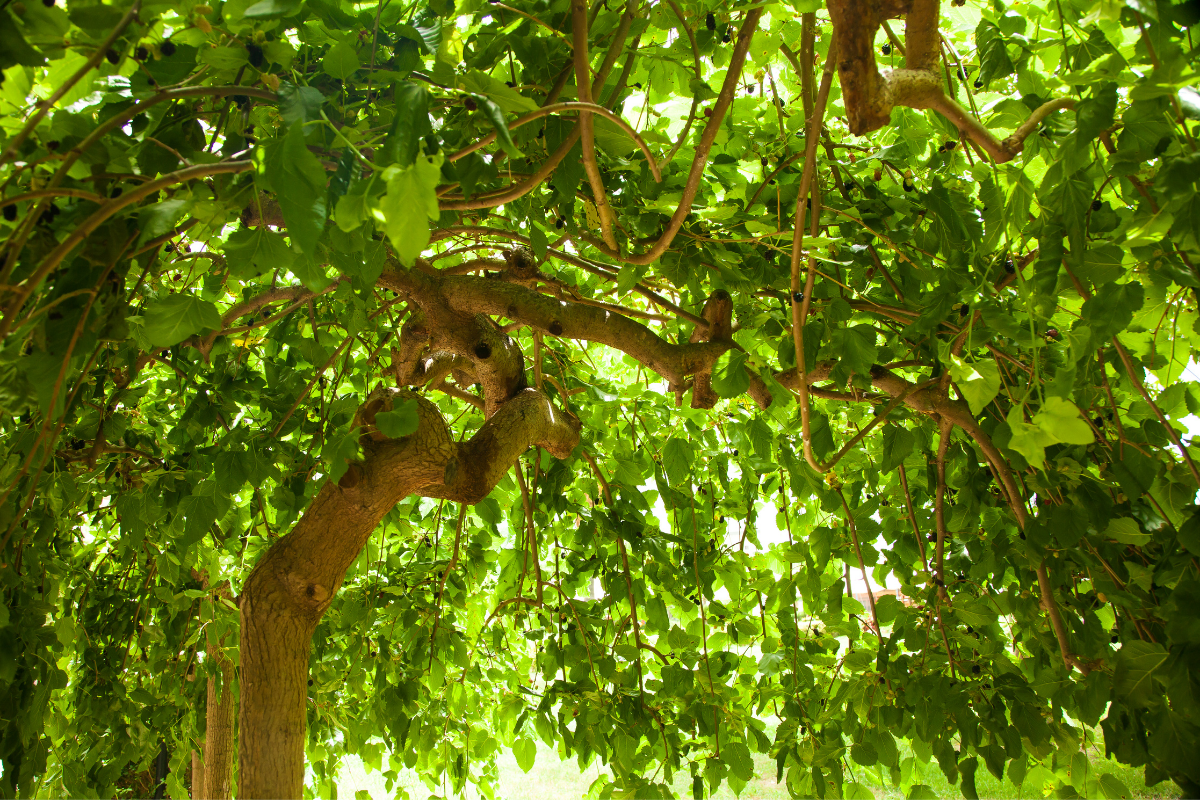
Silk Stories Part 3: White Space or Twelve Million People Don’t Matter
In this third and final article of our Silk Stories series, we look at a double standard employed by sustainable fashion to demonize silk: the notion that carbon offsetting applies to all trees but mulberry trees.
Read More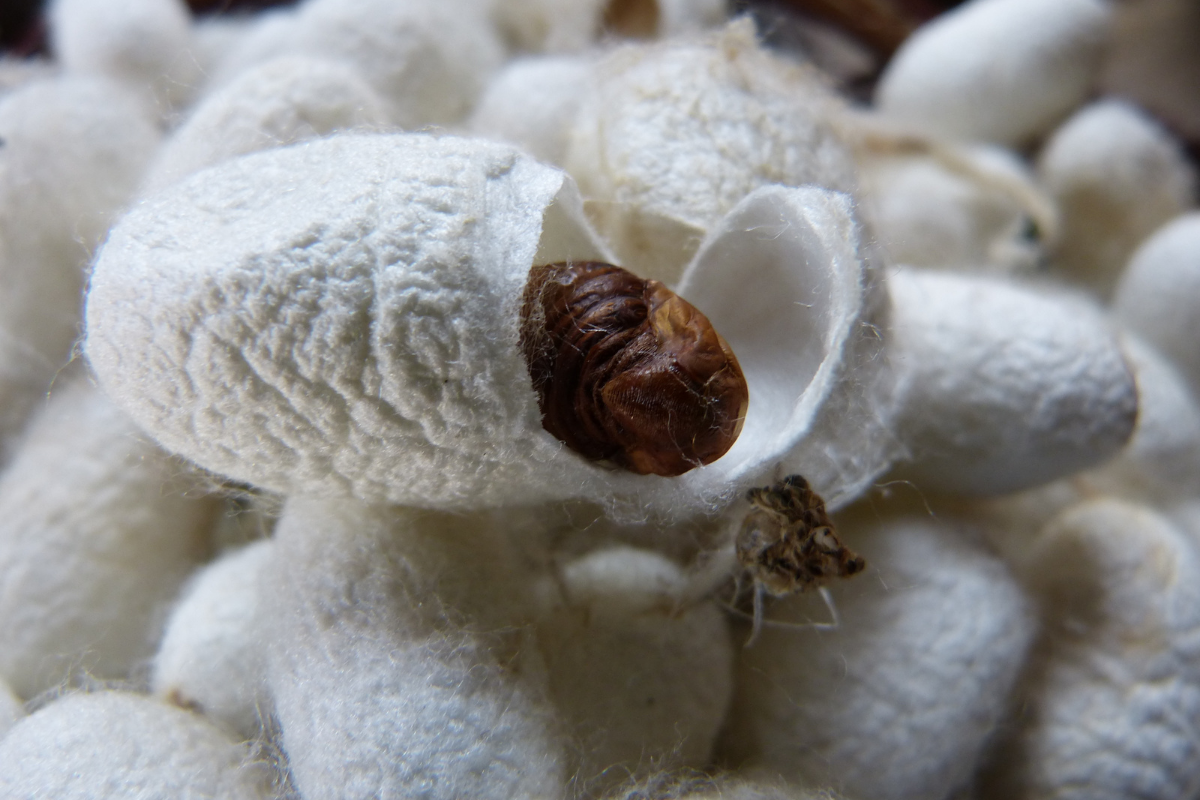
Silk Stories Part 2: Yellow Peril or Green Dressing
In this second piece of our Silk Stories series, we examine fashion’s acquiescence to – or perhaps exploitation of – vegan supremacy in sustainability analysis, and the partial and selective manner in which both costs and benefits are assigned to silk production.
Read More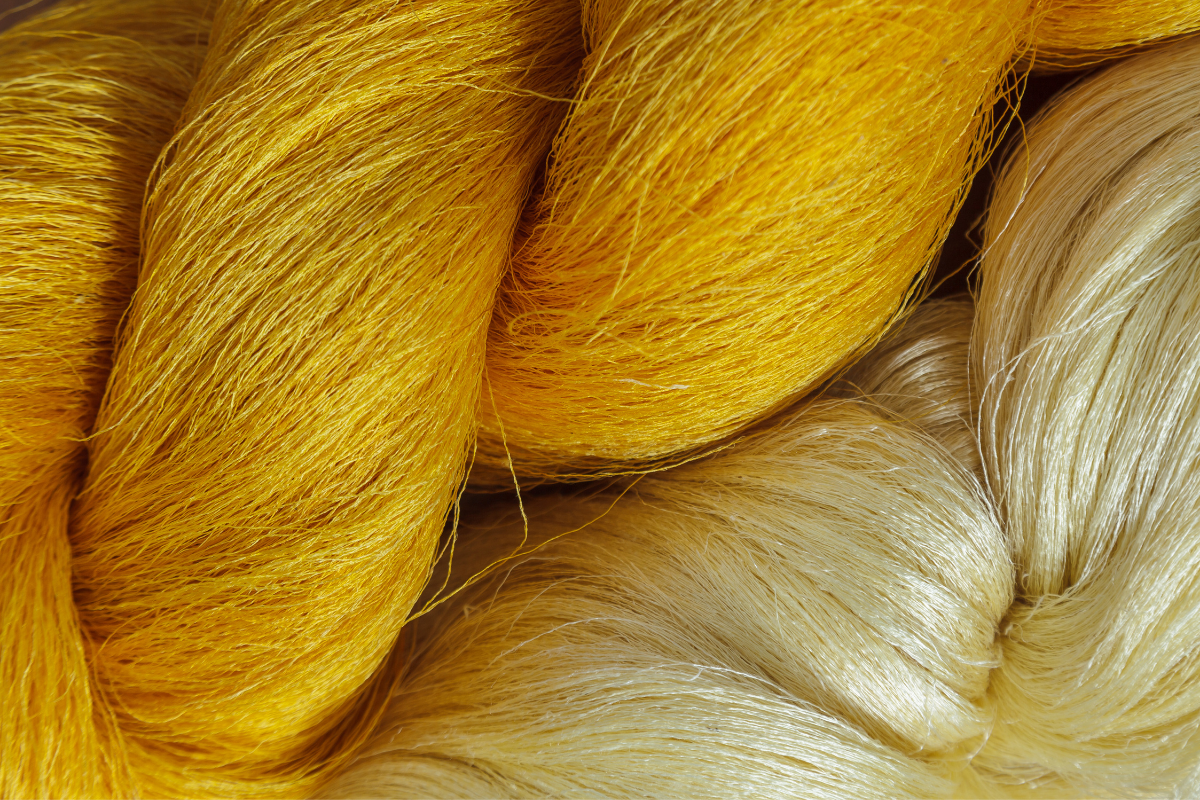
Silk Stories Part 1: The Bodies of Bodhisattvas Transformed, the Manifestation of Unparalleled Generosity
Sustainable fashion’s demonization of silk is unjustified. It’s not a conspiracy. It’s capitalism. Here’s what various stakeholders have to gain from making false claims against silk.
Read More
What You Need To Know About Microplastics and Textile
The truth about the textile industry’s role in microplastic pollution and what you need to know to fix it.
Read More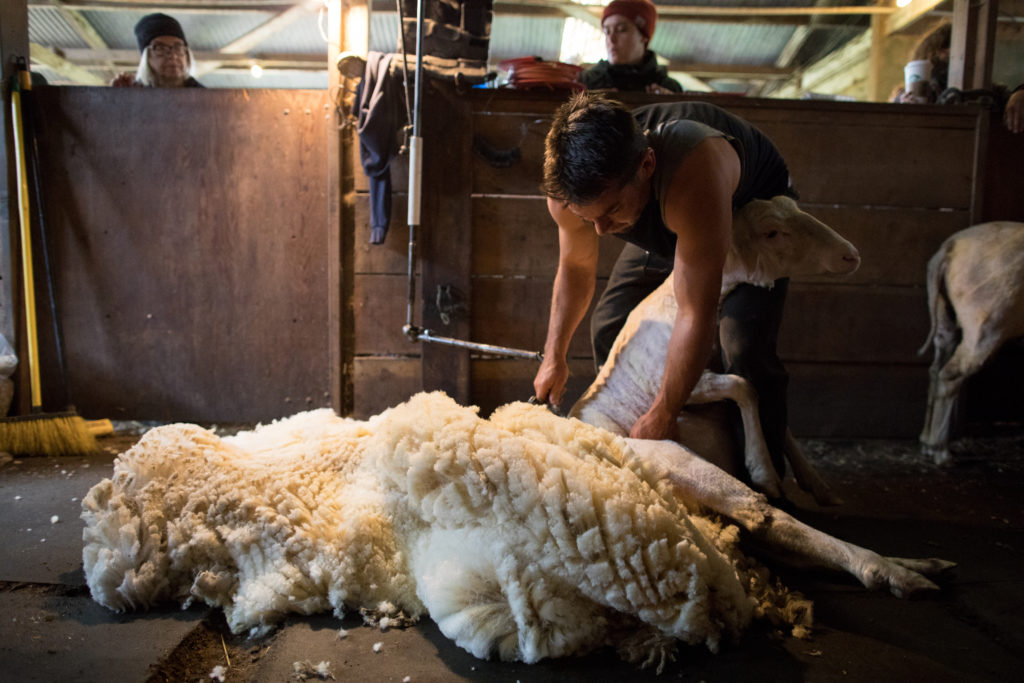
Shedding Light on Sheep Shearing: 3-Part Series for Understanding the Shearing Process
How do we get from soil to skin? From raw fiber to finished clothing or goods? We might ask ourselves these questions about our food, but we rarely stop to think about it as deeply when it comes to our garments. This article helps to educate, demystify, and describe the sheep shearing process to create a richer understanding and respect for the process that provides wool for clothing and goods.
Read More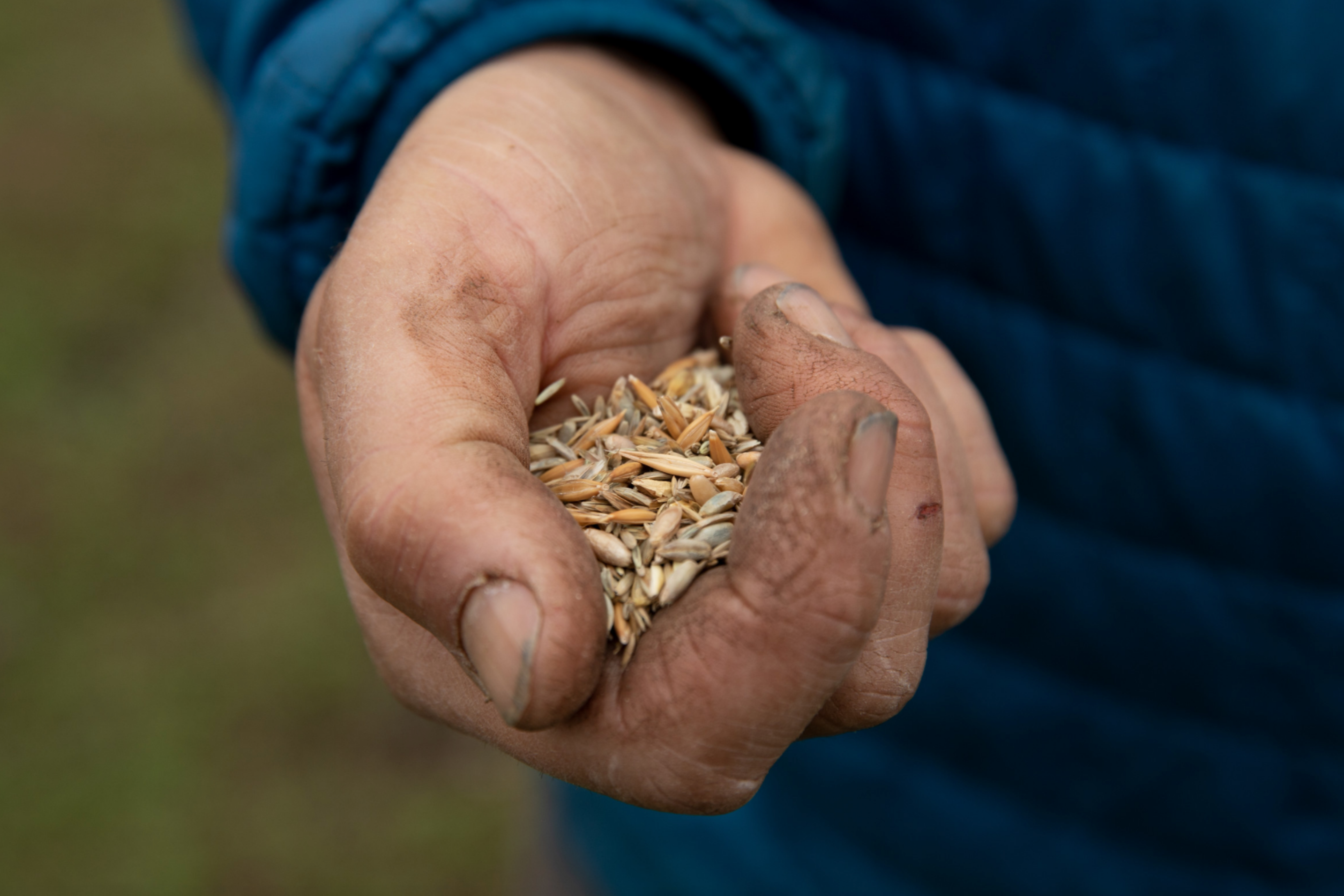
Degrowth: An Economic Framework that Values Ecosystem Capacity, Human Dignity, and Self Sufficiency
The mainstream fashion industry’s supply chains are not linear but operate in an economy with a take, make, and waste production model. This model takes mass amounts of raw materials and releases carbon emissions into the atmosphere; uses exploited labor to make these materials into products; then those products are wasted and “thrown away,” usually to a landfill in a low-income community of color. The driving force for this production model is to create infinite amounts of profit by producing as many things as possible for as cheaply as possible. This necessitates destroying the earth and simultaneously exploiting low-wage workers, who are mostly women of color. This belief in endlessly growing the economy is one of the main reasons why the fashion industry has to be completely transformed. Luckily, alternatives exist and are being built at this very moment.
Read More
Our Statement on the COP26 Volunteer Uniforms
World leaders have been meeting over the past week at the U.N. Climate Change Conference— COP26—to discuss the need for meaningful action to address the climate crisis. Core to Fibershed’s […]
Read More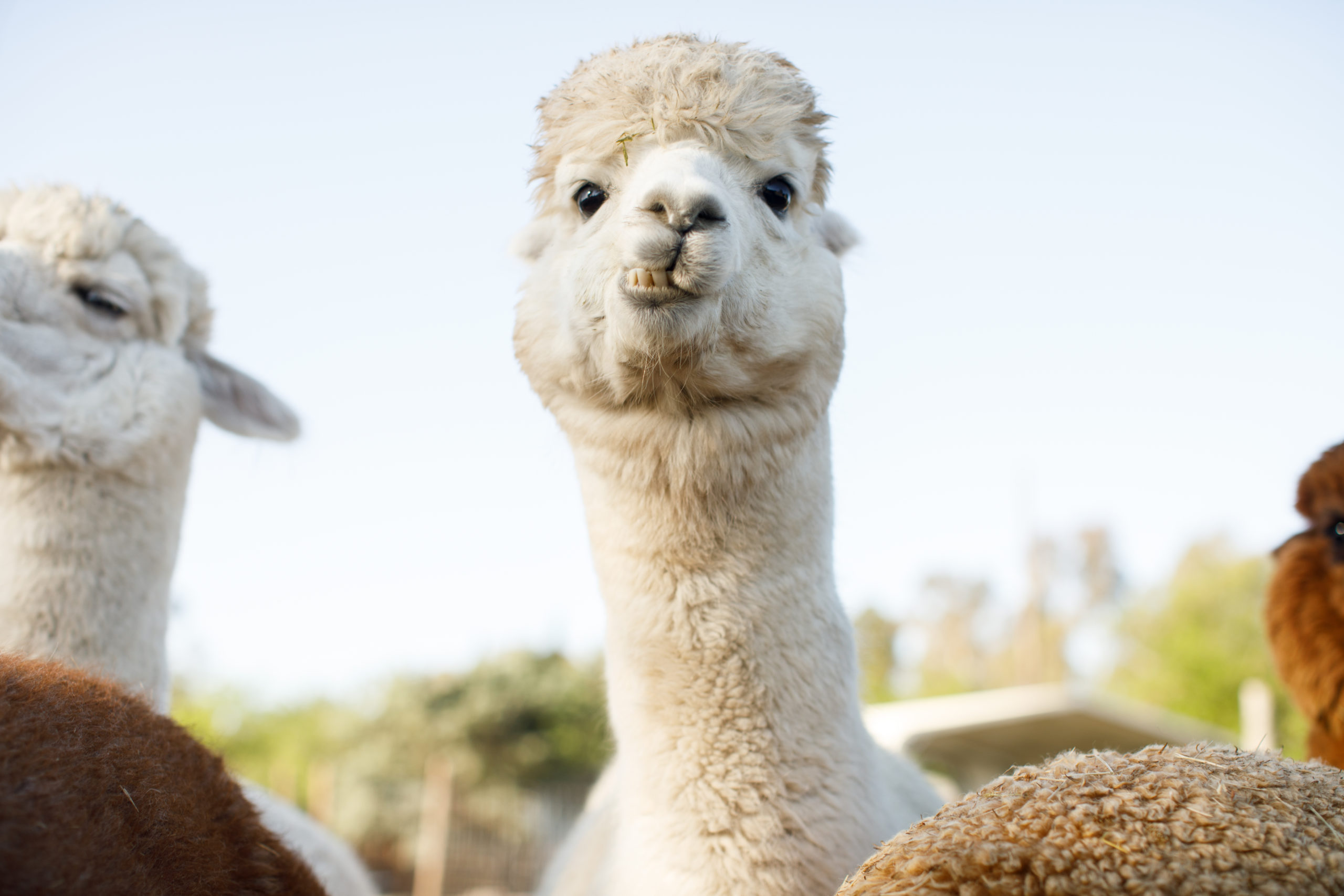
A Small Footprint on the Earth, A Big Impression on Farmers: How These 8 Farms Are Raising Alpacas Sustainably
The benefits of raising alpaca go beyond their provision of fiber. Alpacas are naturally gentle creatures, generating a minimal environmental footprint that enables alpaca farmers to integrate the herd into […]
Read More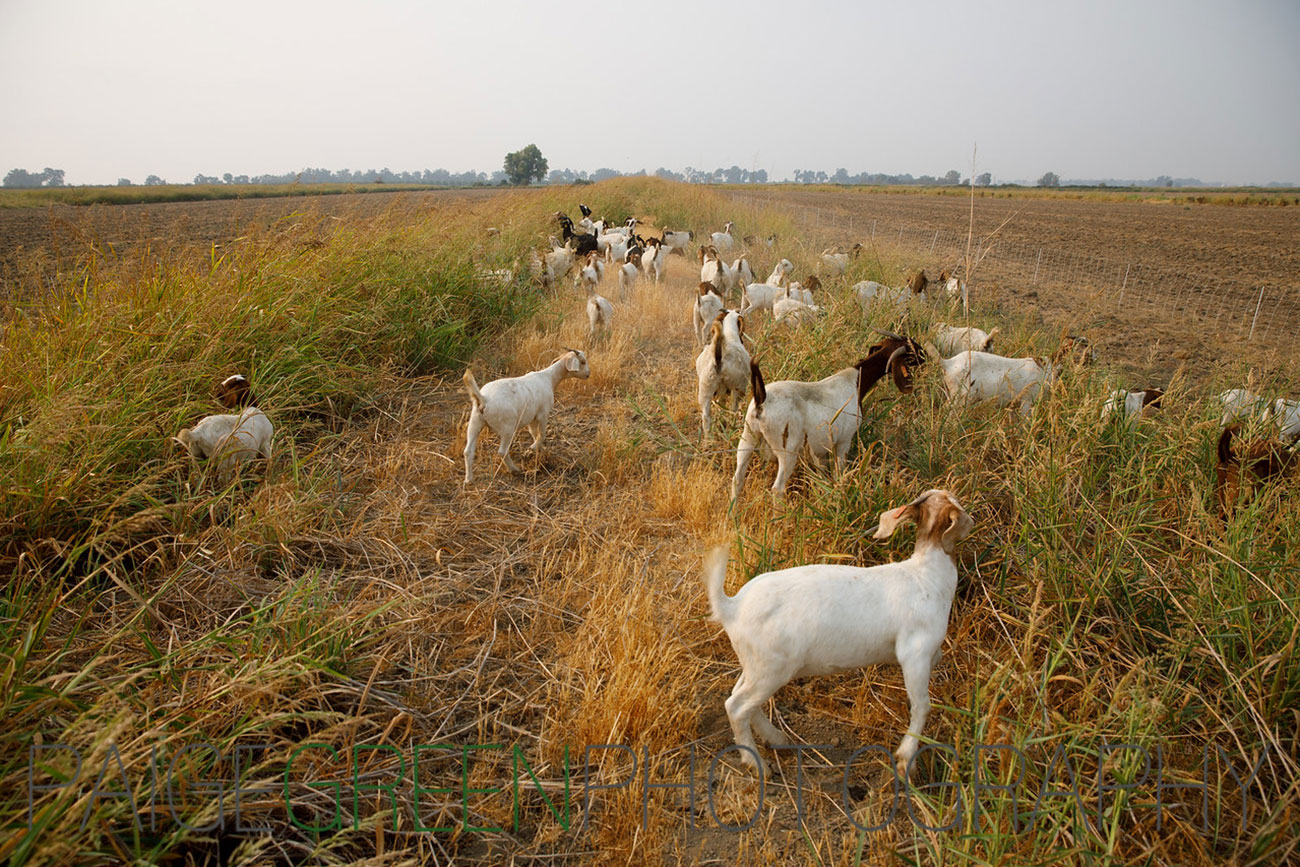
Climate Change and Agriculture: How Food and Fiber Work Together for Climate
Sustainable food production needs to include fiber systems in order to reduce agriculture’s carbon footprint and heal our planet. In this article, we discuss the link between climate change, agriculture, and food and fiber systems.
Read More