

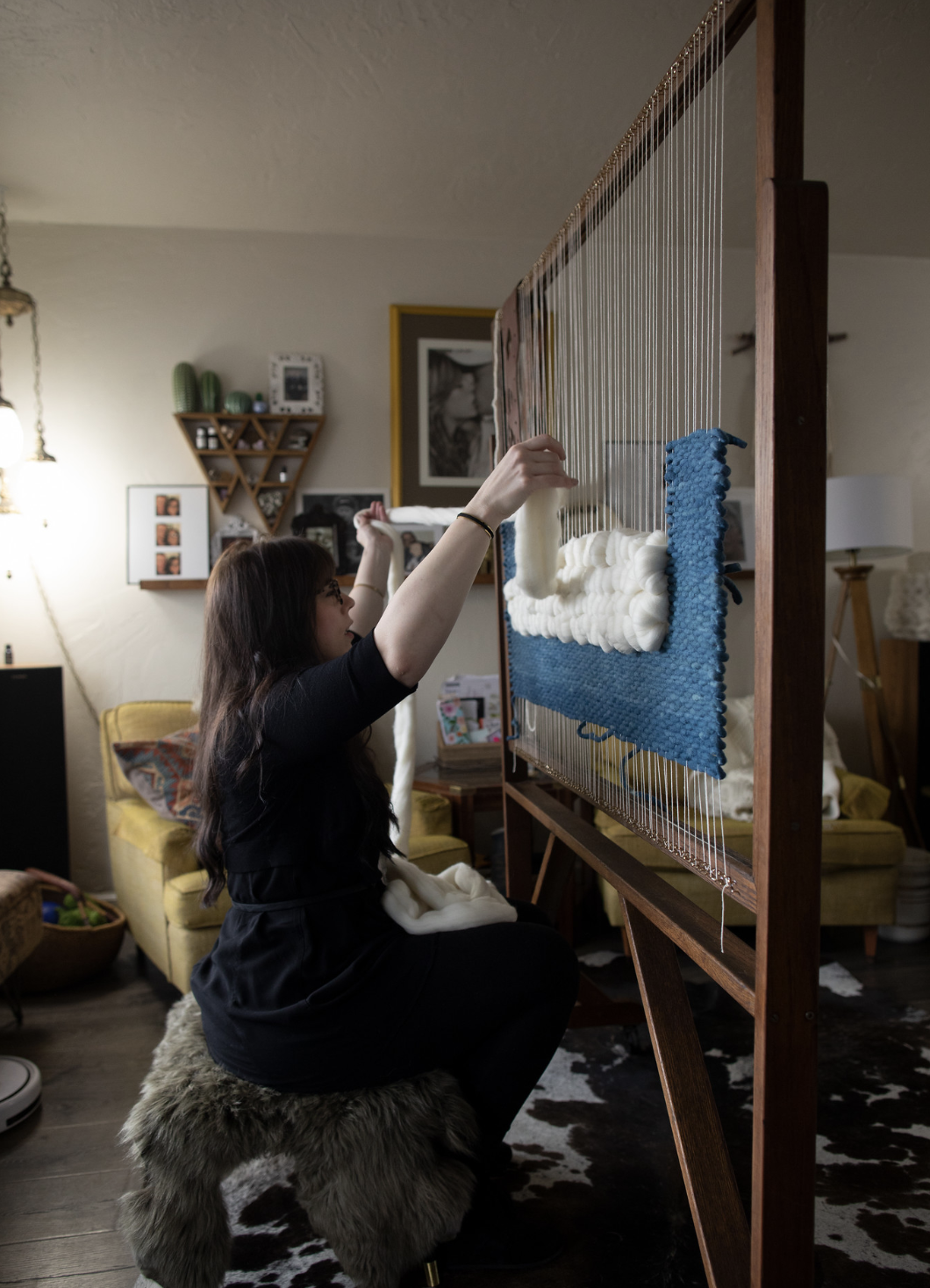
Fiber artisans have the opportunity to support soil-regenerating practices and natural fiber producers by being selective about the type of fiber they work with.
Read MoreAuthor: Sirima Sataman
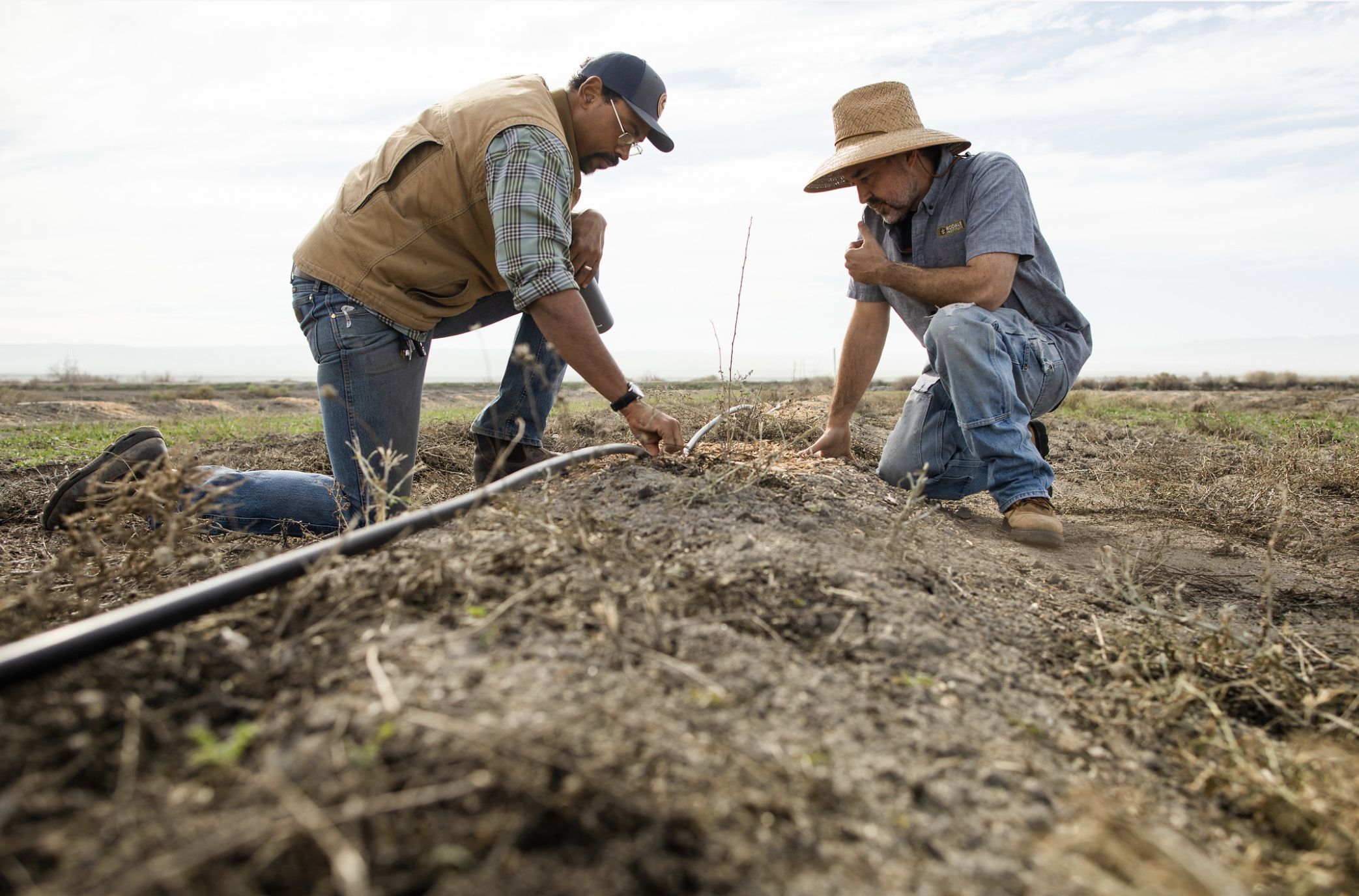
Alley Cropping in the Liminal Zone: Growing Resilience in the San Joaquin Valley
What will the San Joaquin Valley–home to one quarter of the nation’s food production–look like fifty years from now? Fifth-generation farmer Nathanael Gonzales-Siemens and a team of farming and fiber systems advocates are undertaking an experiment in Buttonwillow, CA that may determine part of the answer.
Read More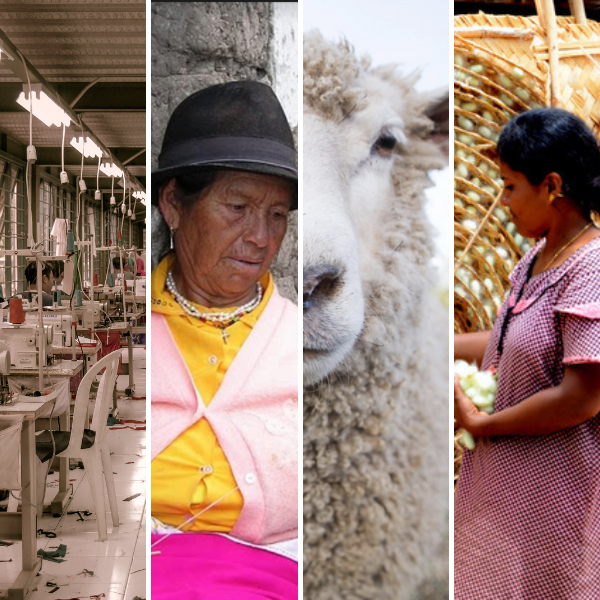
Unpacking ‘Sustainable’ Fashion
“Sustainability, as defined and measured in fashion, is currently an elitist, even imperialistic concept,” says Veronica Kassatly, analyst and consultant for data-based sustainability claims. In this four-part series, Kassatly examines how Western brands, consumers, and activists define the conversation around sustainability, based on their own interests and cultural values. She brings light to unfounded assertions about the long-lasting fiber traditions of wool, silk, and alpaca production in an effort to map out better solutions for moving toward “sustainable” fashion that is truly sustainable and socially just.
Read More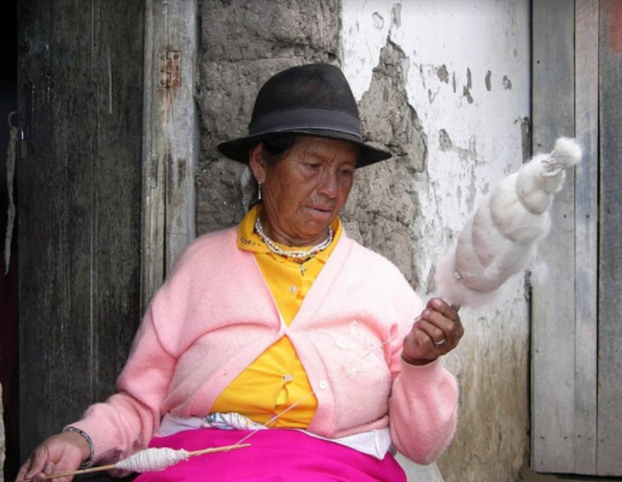
Unraveling the Truth about Alpaca Fleece
In a series of 3 articles, we examine the history and significance of alpaca farming in Peru and unravel the truth about who benefits from characterizing alpaca farming as environmentally harmful.
Read More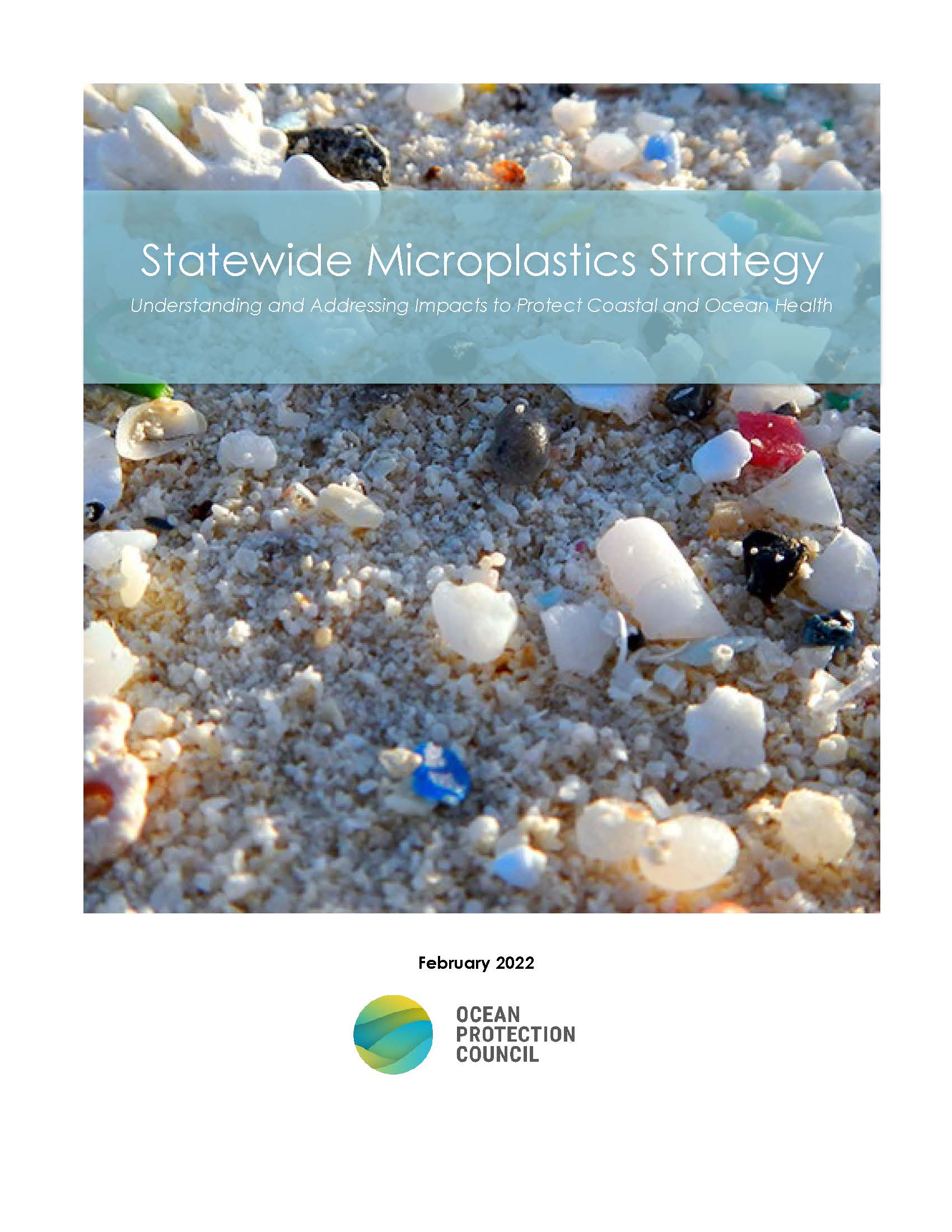
Microplastics Policy Moves Forward in California
Thanks to an outpouring of public comment earlier this year to the Ocean Protection Council, our Fibershed community’s voice helped shape next steps in California’s precedent-setting framework on state-led microplastic research, risk assessment and action.
Read More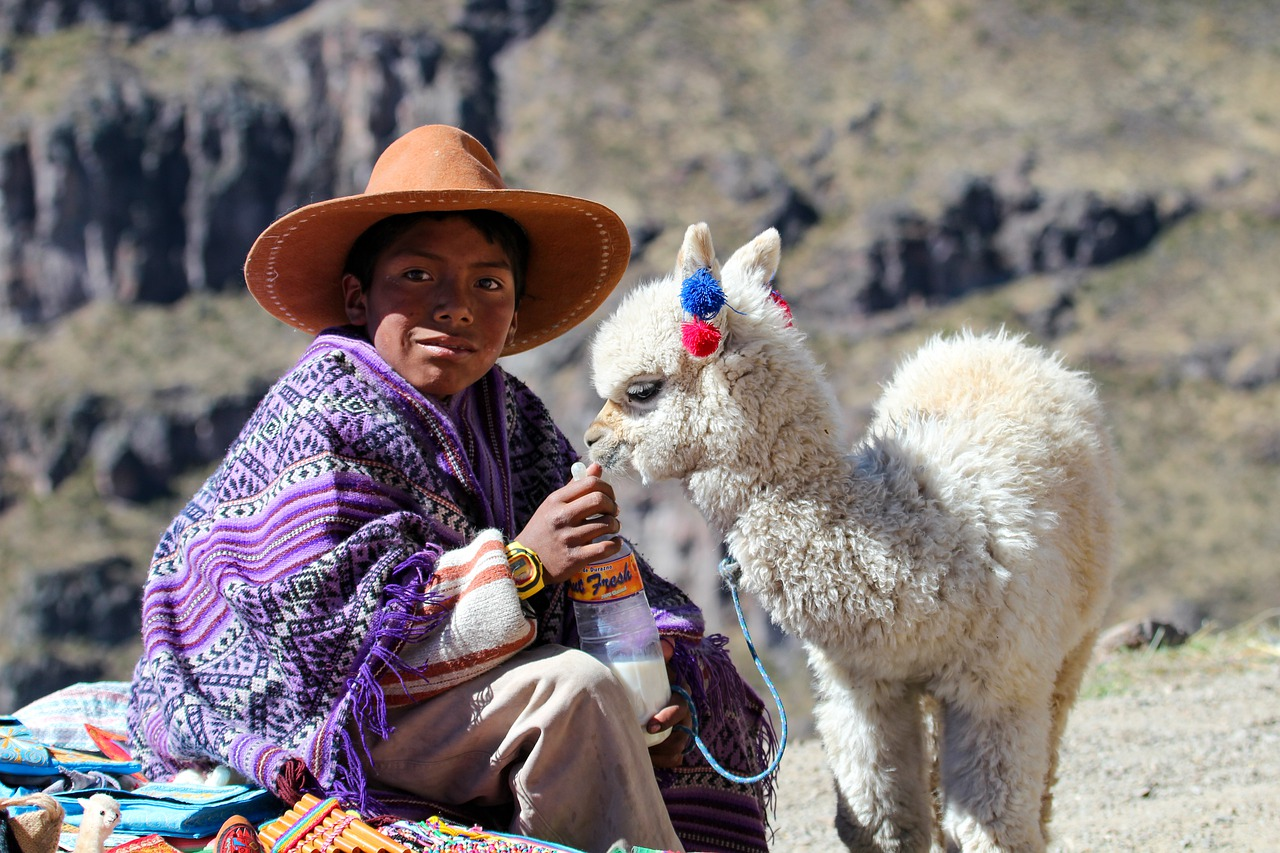
Alpaca Stories Part 3: When PETA Strikes, Certifications Follow
In the third and final article, we take a closer look at the claims for alpaca made by the ‘sustainable’ apparel sector. I walk through how these claims prioritize a global north perspective that diminishes the most disadvantaged, those in the global south who are producing the fiber. We conclude with an understanding of how the claims of ‘environmental harm’ are contributing actual harm to the livelihoods of small-scale alpaca farmers and call on the fashion industry to reexamine its categorization of sustainable materials.
Read More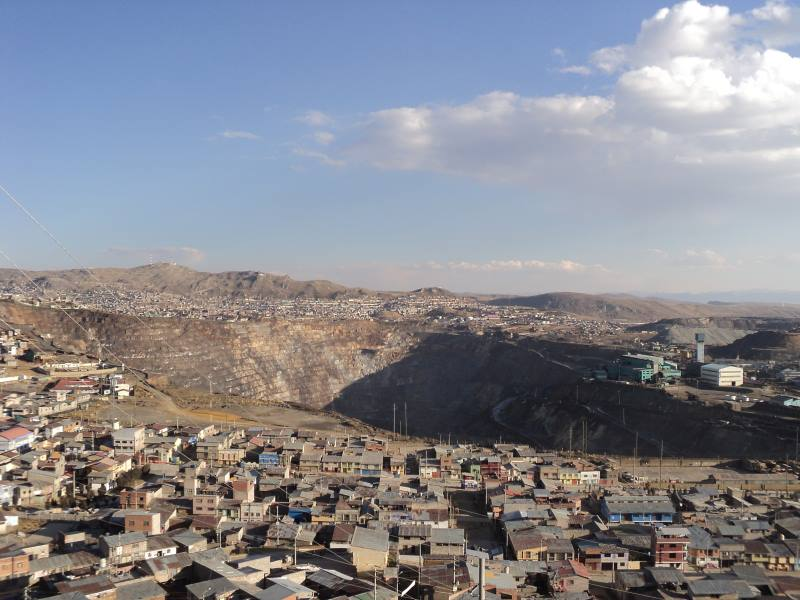
Alpaca Stories Part 2: Fibs, Lies, and Falsehood
In Part 2, we examine how alpaca fiber ranks in terms of environmental impact using the Higg Materials Sustainability Index (MSI) and the Kering Environmental Profit & Loss (EP&L) account. We look at the shortcomings of these measurement tools in assessing alpacas’ cultural, social, and economic value to indigenous peoples. Finally, we dig into the competing interests in the mining industry for land use in Peru.
Read More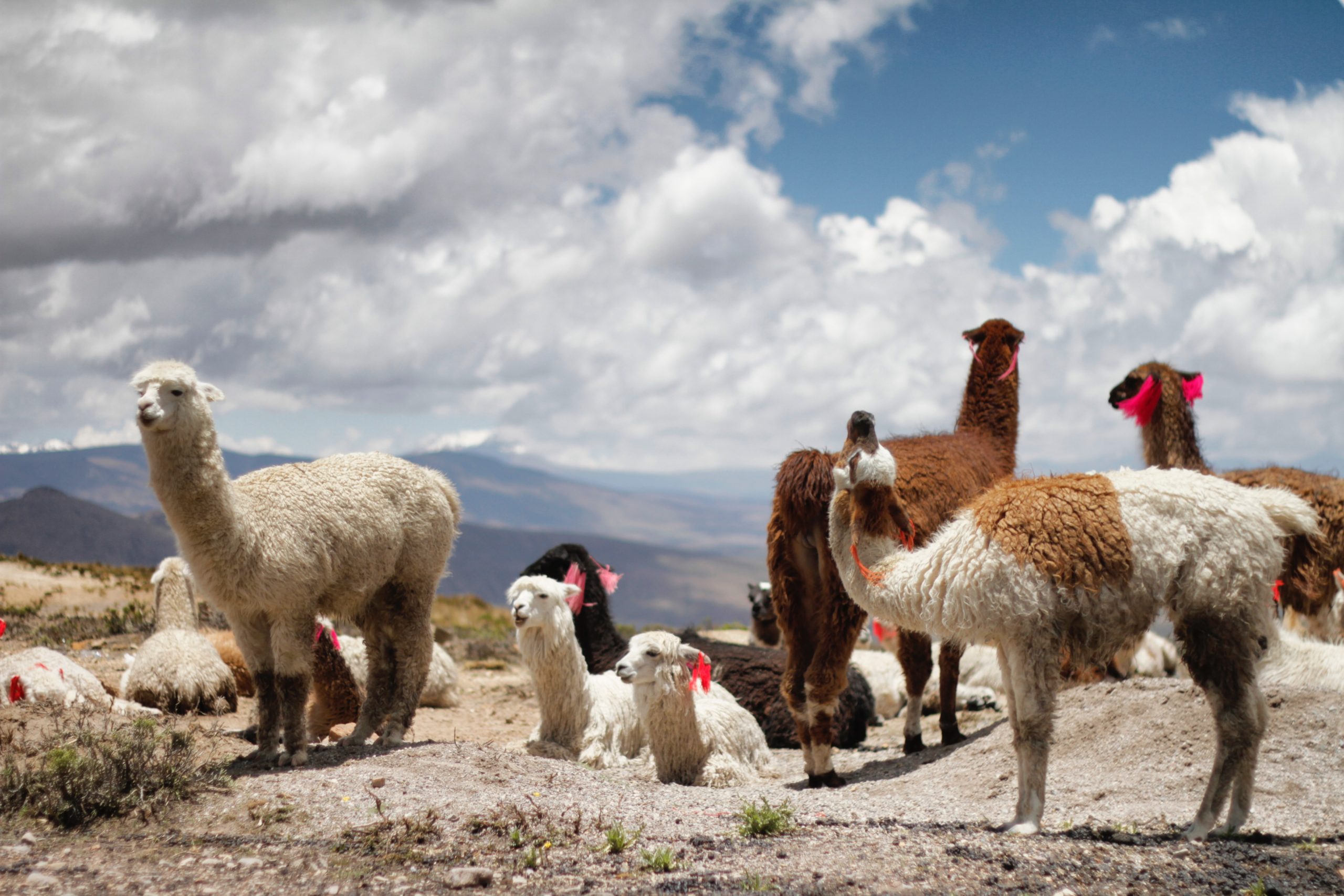
Alpaca Stories Part 1: Alpaca – More Prized than Gold by the Incas, Still Scorned by the West?
In Part 1, we take a close look at what alpaca are, why they are so well-suited to the Peruvian altiplano, where sustenance is scarce and the indigenous inhabitants have few options, and we price check alpaca against other fibers – it’s expensive. This means that there is an economic incentive for brands and their funded initiatives to portray alpaca as environmentally harmful. Do they? And if so, is it justified?
Read More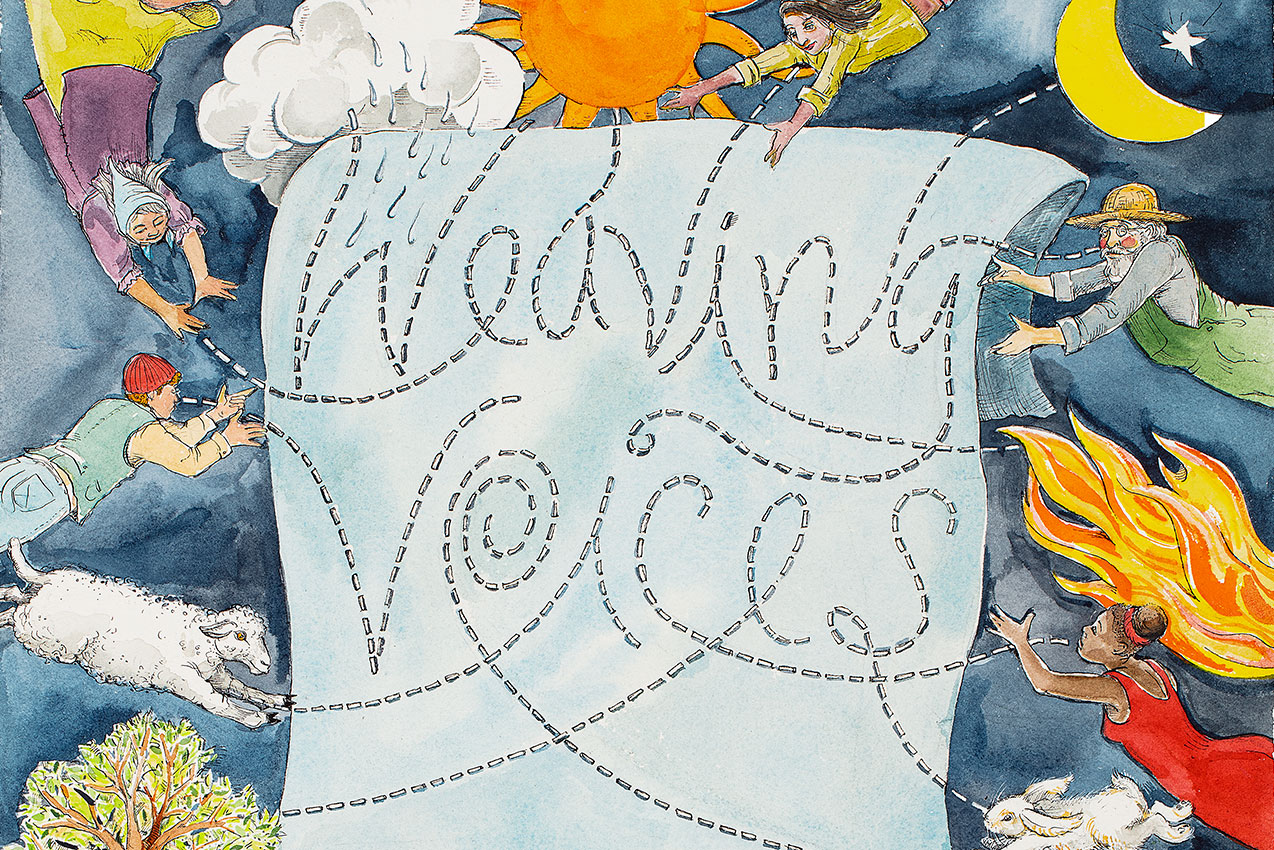
Weaving Voices: Summary and Takeaways from the Fibershed 2021 Wool & Fine Fiber Symposium
In this article, we capture some of the incredible lessons and stories shared at the 2021 Symposium in each informational session.
Read More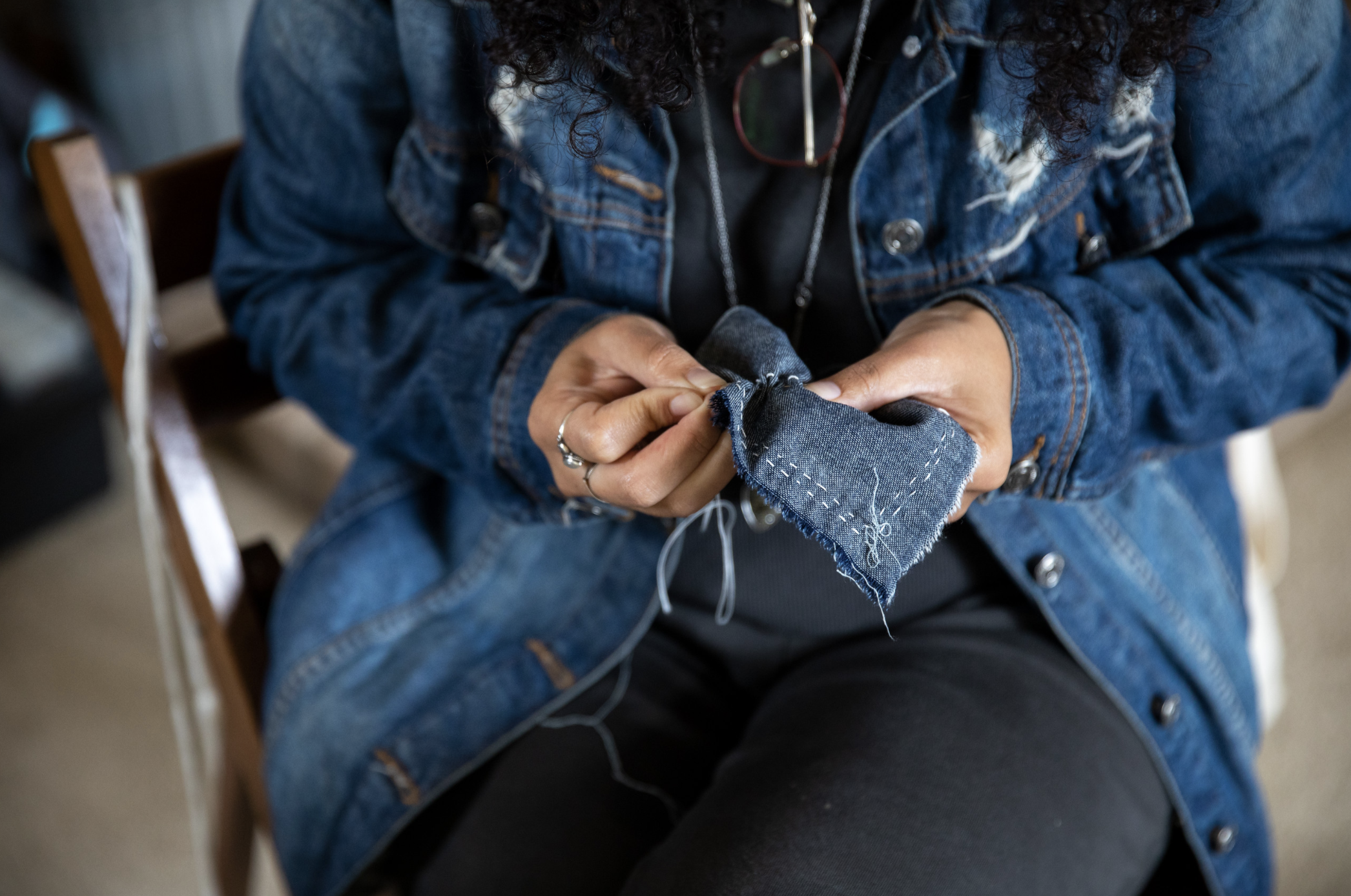
Mending Clothes & Textiles Is a Mindful Act of Resistance to Destructive Systems
Learning to mend has personal, environmental, financial, and systemic benefits. Better yet, it’s approachable — nearly anyone can learn how to mend on some level.
Read More