

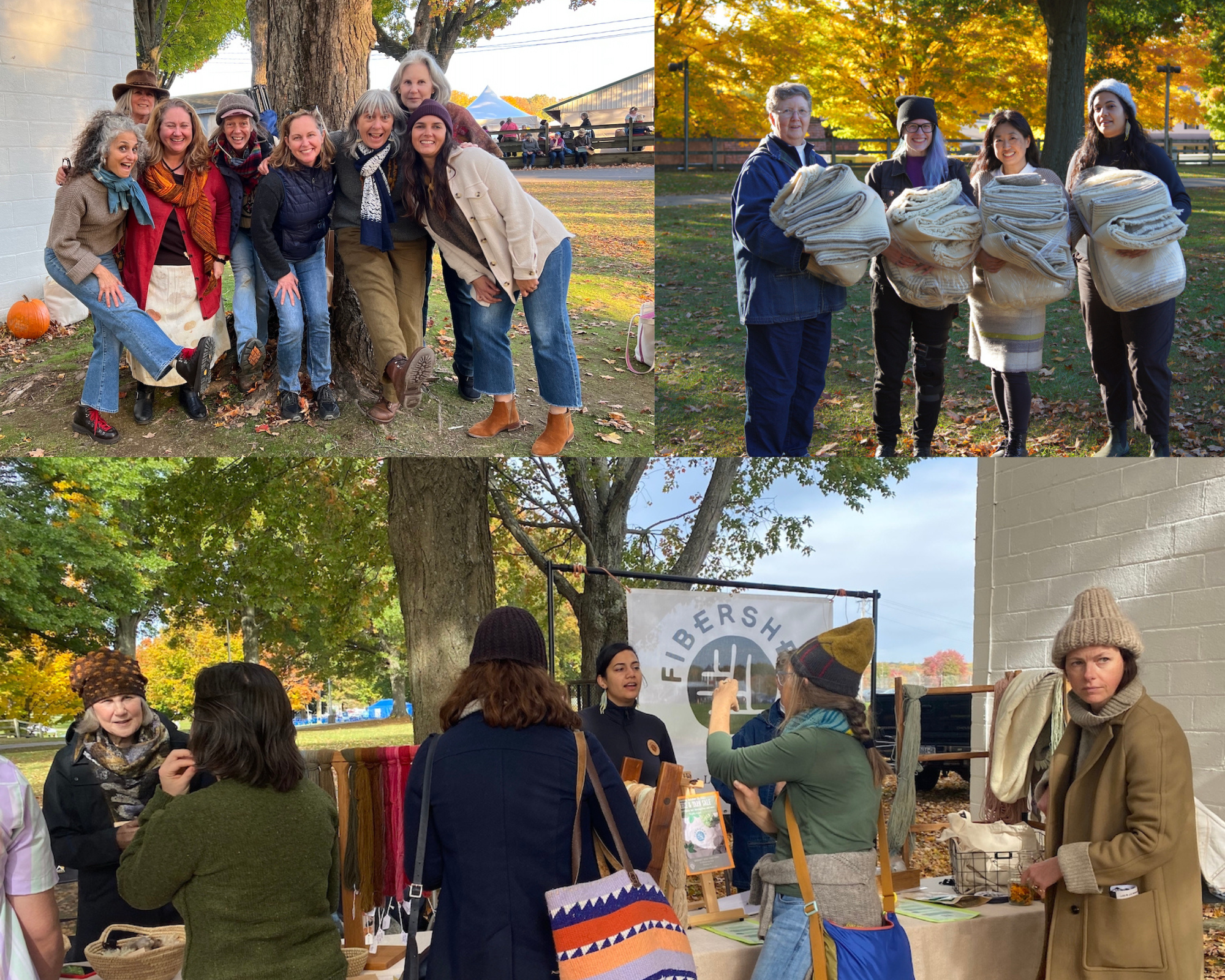
Seven of the 58 fibersheds recently joined forces at the New York Sheep & Wool Festival in Rhinebeck, New York, to showcase a glimpse into the future.
Read MoreAuthor: Sirima Sataman
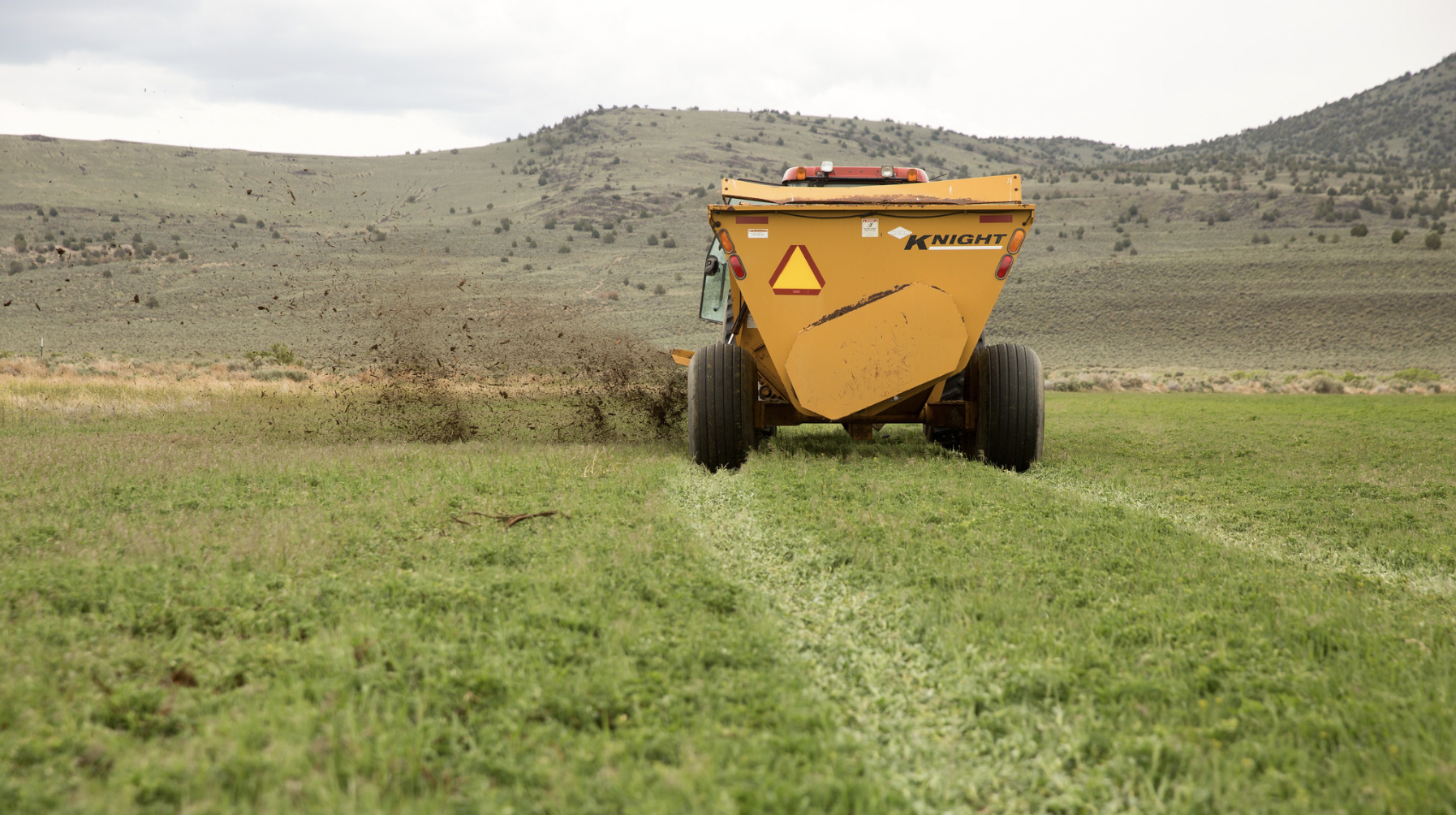
Fighting Climate Change through Carbon Farming
Agriculture’s tremendous potential to stop and reverse climate change and Fibershed’s efforts to meet that challenge.
Read More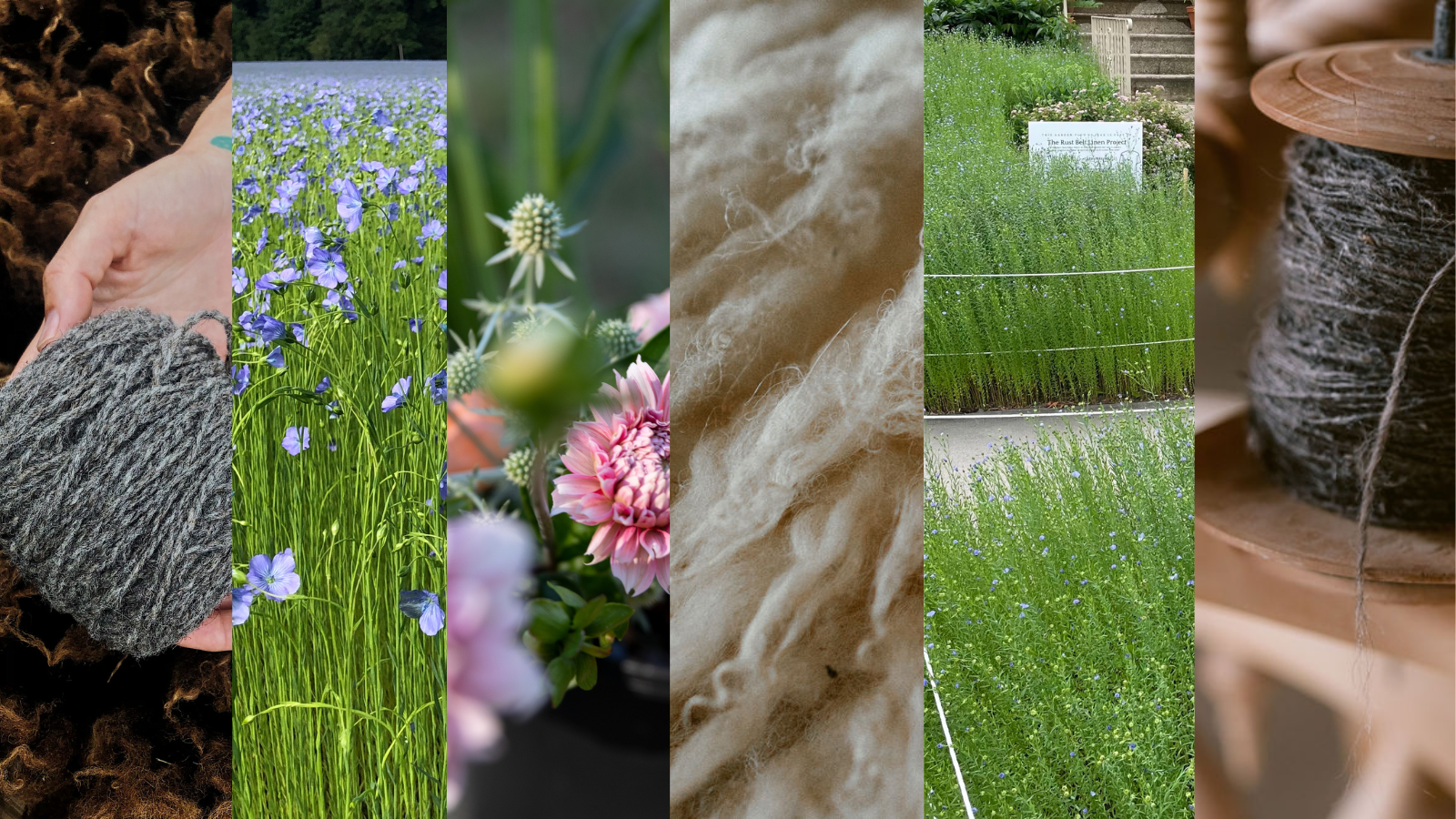
Threading Resilience: Stories from our Fibershed Affiliate Communities
In the first edition of our Threading Resilience zine, we share 19 stories from our Fibershed Affiliates. We are rounding up three of their incredible stories in this article—from the Rust Belt Fibershed, Fibershed DACH, and Fibershed Ireland—to highlight the different geographies, journeys, and wisdom that can be shared from this network.
Read More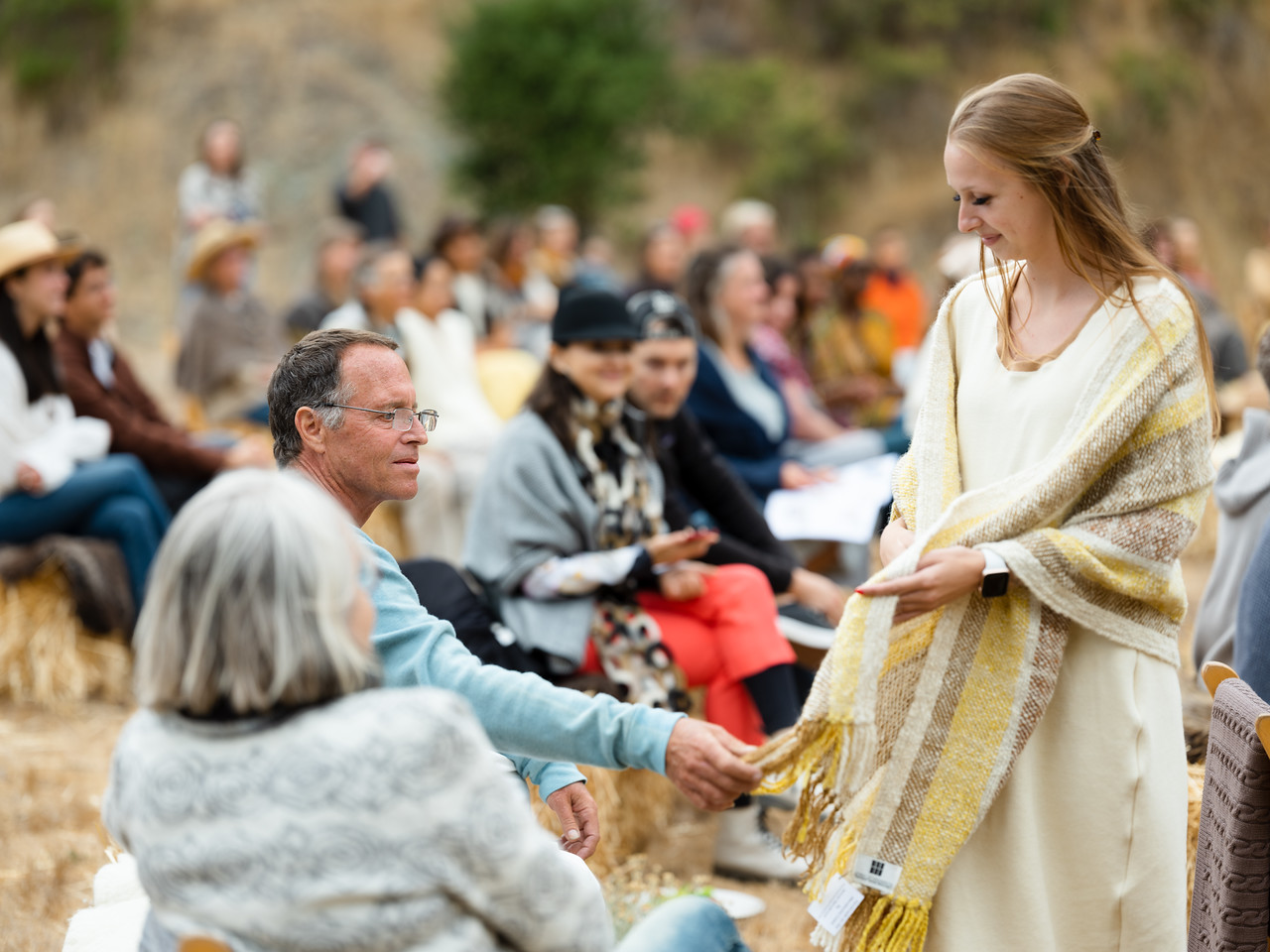
Rooted in Simplicity: The Celebration of a Bioregion’s Relationships
Read the story of Fibershed’s recent Rooted in Simplicity event.
Read More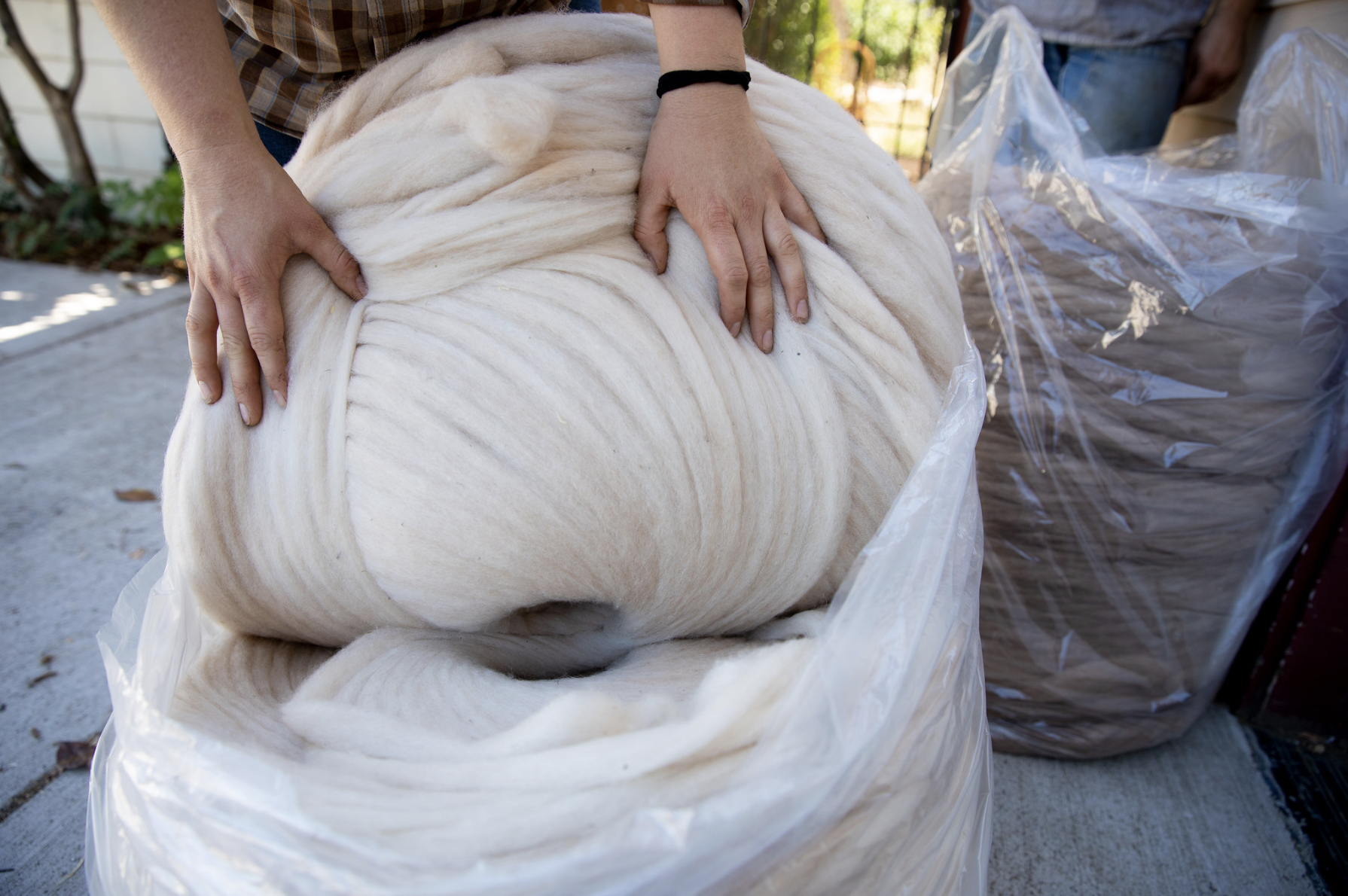
Fibershed and Partners Receive $30 Million to Expand Climate Beneficial Wool, Cotton Production
Fibershed is excited to announce that, along with incredible partners, it has been awarded four Partnerships for Climate-Smart Commodities grants through the USDA’s historic investment in expanding climate-smart agriculture.
Read More
Why You Should Be Paying Attention to What’s Happening with the Higg Material Sustainability Index
The Higg Material Sustainability Index (Higg MSI), the fashion industry’s most utilized sustainability rating system, has suspended its consumer-facing reports. We’re here to tell you that this is actually good news for the world’s natural fiber systems.
Read More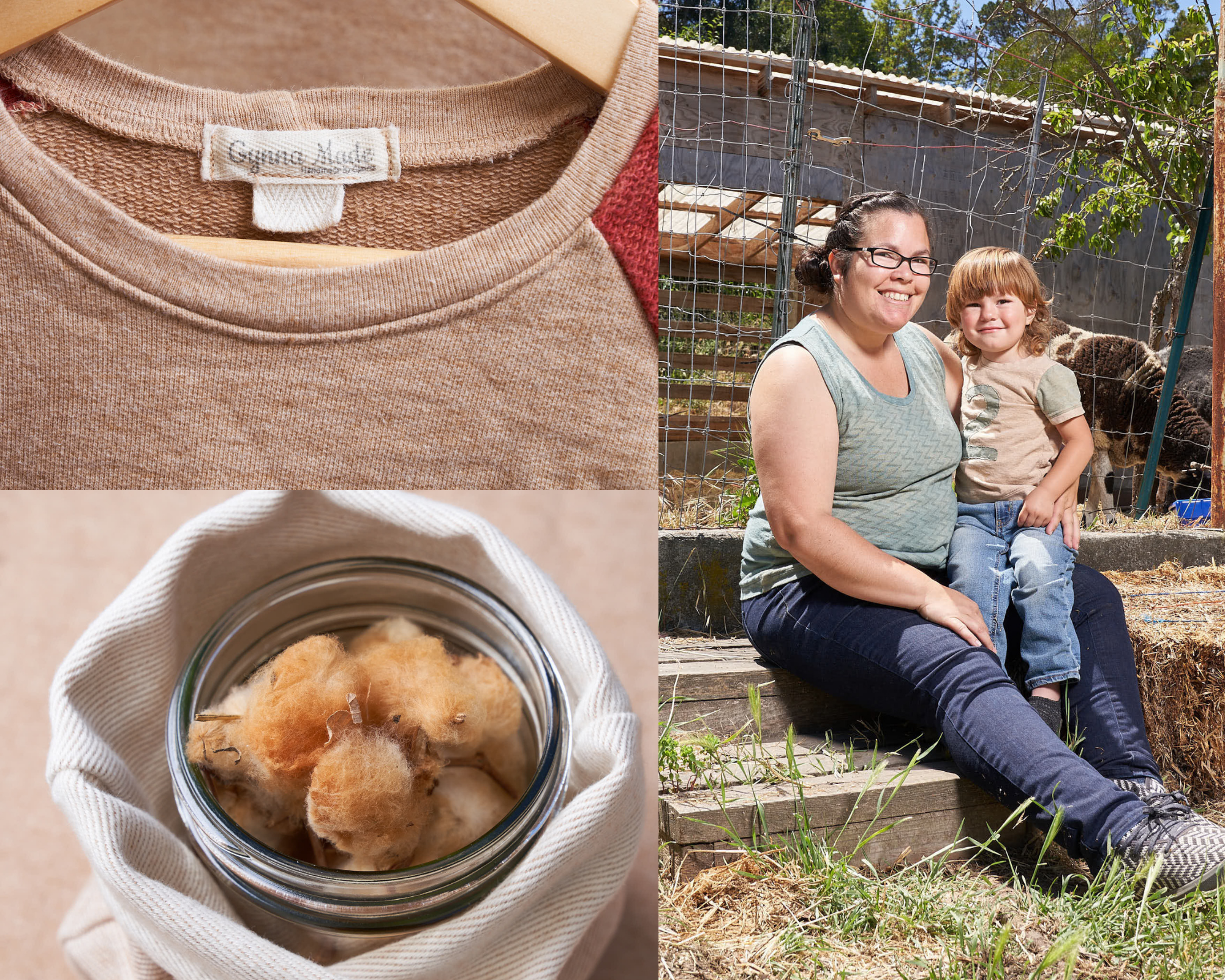
A Handmade, Zero-Waste Wardrobe for Mother and Child by Gynna Made
Everything from the materials used to the manufacturing process is sustainable at Gynna Made. Each piece of clothing is made-to-order, essentially creating zero waste. Scraps are used for stuffing, mending or are composted. All designs go through a rigorous six-month wear-and-test period.
Read More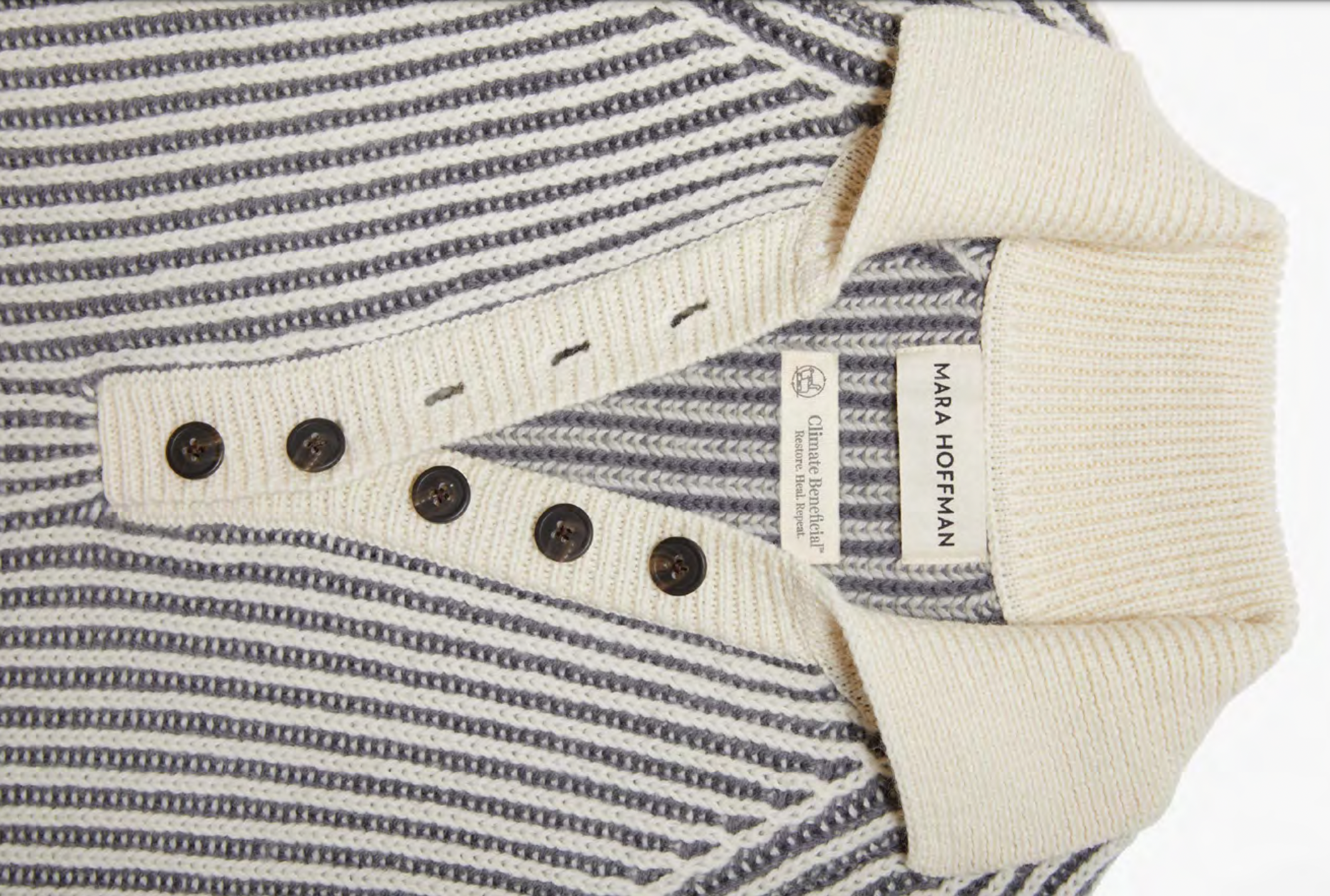
A Toolkit for Fibersheds & Brands. Part 2: Brand Stories
How do work with a fibershed? From tips on how to create a meaningful and fully traceable U.S. supply chain, to creating a whole new textile language, our experts weighed in.
Read More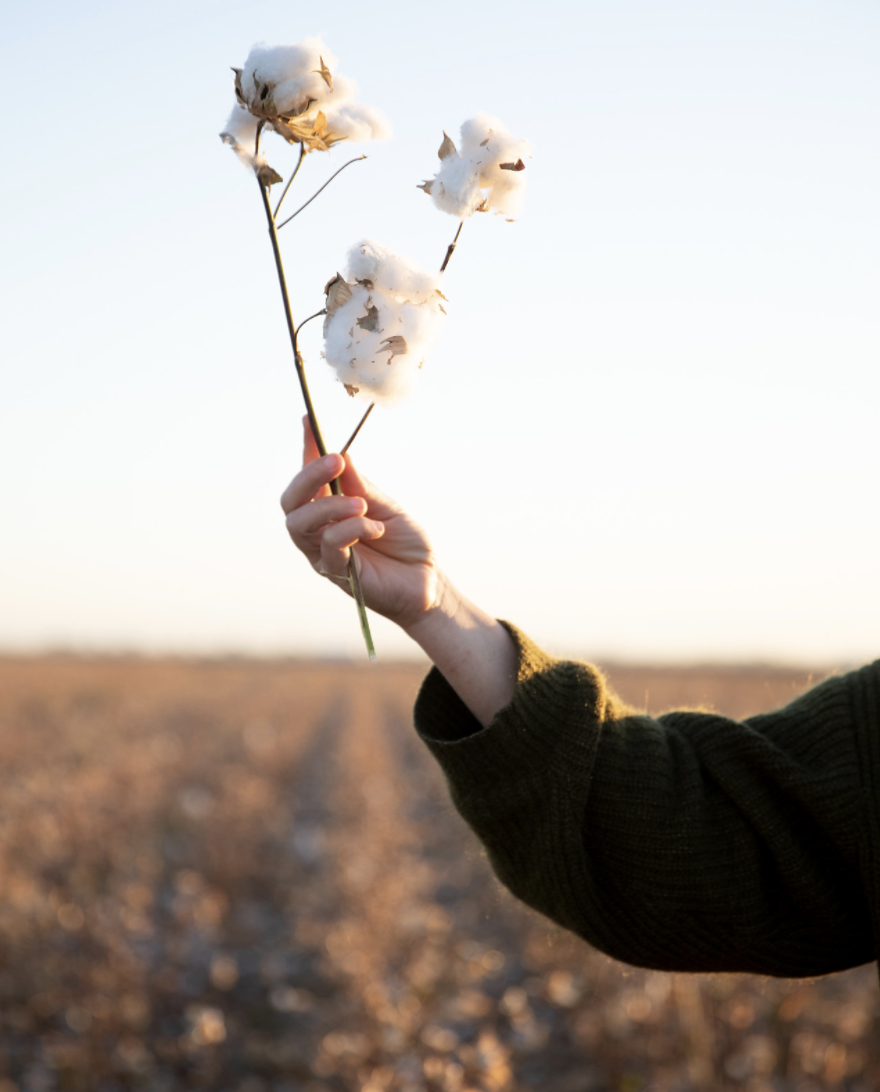
A Toolkit for Fibersheds & Brands. Part 1: Fibershed Stories
Fibersheds nationwide are advancing a new approach to textile supply chains. This article hones in on three examples of Fibersheds doing this work and shares key lessons about rebuilding U.S. fiber infrastructure. With more brands coming to fibersheds, both parties need to understand where the other is coming from and work to build alliances with more than just a handshake.
Read More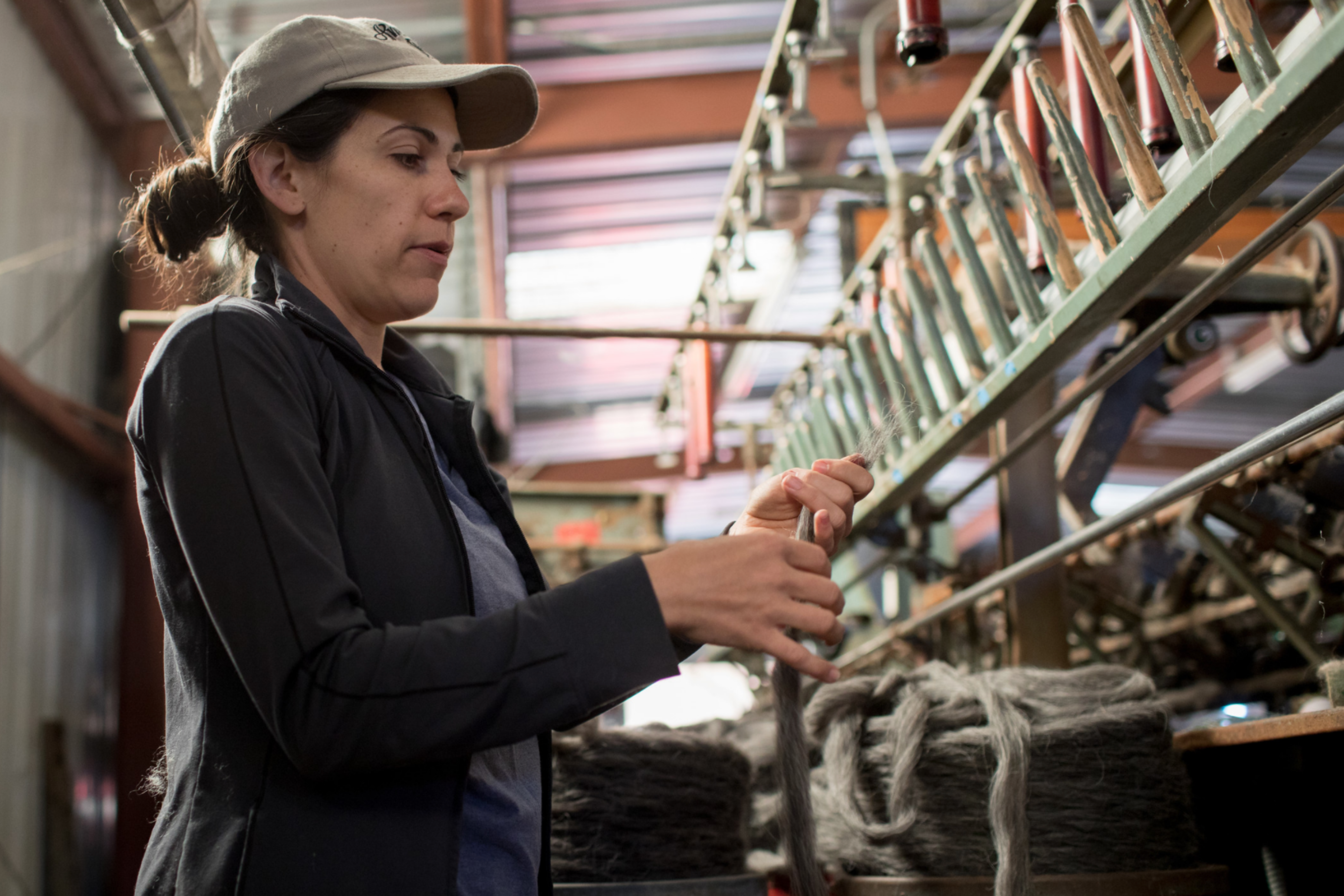
Mills Bring Fiber and Opportunities to Life
This article highlights a critical part of the fiber supply chain: the fiber processors that operate mills. Situated between the producers growing raw natural fibers and the artisans and designers crafting textiles, fiber mills add life to a product. As an intermediary, mill owners and operators get to experience numerous aspects of the life cycle of fibers and textiles. A true labor of love, their work requires a deep understanding of natural fibers’ properties — from sheep’s wool to alpaca to cotton and flax — to create customized products of the highest quality.
Read More