


Written by Marie Hoff Paige Green Photography Grazing and grain are ancient, connected in a relationship of survival that, through their mutual adaptation, support the varied and complex world that […]
Read MoreCategory: Agriculture
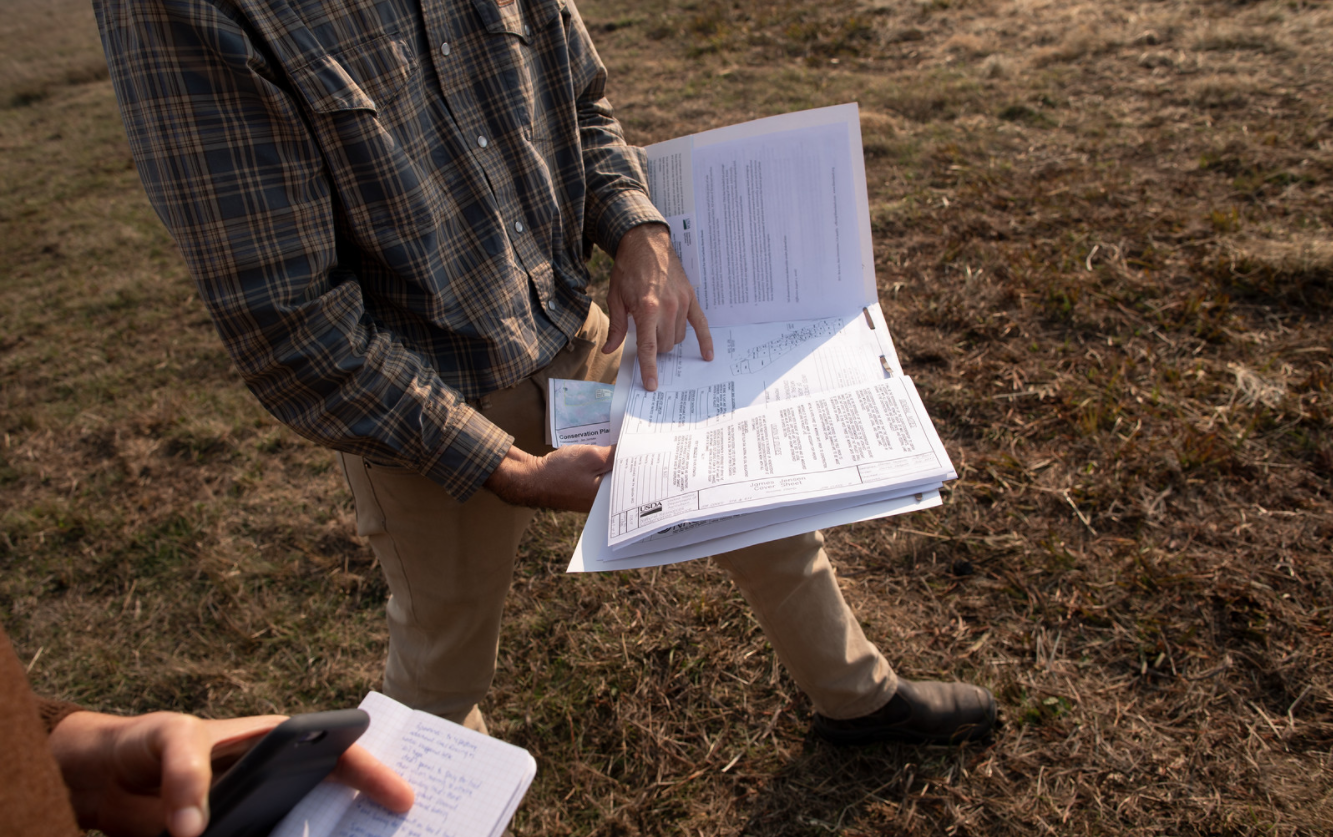
Regional Fibershed Communities Adapt to Global Climate Change
What rapidly changing weather conditions mean for our regional fibersheds and how innovative farmers and ranchers are stepping up to the challenges. The largest scientific expedition in Arctic history took […]
Read More
Degrowth: An Economic Framework that Values Ecosystem Capacity, Human Dignity, and Self Sufficiency
The mainstream fashion industry’s supply chains are not linear but operate in an economy with a take, make, and waste production model. This model takes mass amounts of raw materials and releases carbon emissions into the atmosphere; uses exploited labor to make these materials into products; then those products are wasted and “thrown away,” usually to a landfill in a low-income community of color. The driving force for this production model is to create infinite amounts of profit by producing as many things as possible for as cheaply as possible. This necessitates destroying the earth and simultaneously exploiting low-wage workers, who are mostly women of color. This belief in endlessly growing the economy is one of the main reasons why the fashion industry has to be completely transformed. Luckily, alternatives exist and are being built at this very moment.
Read More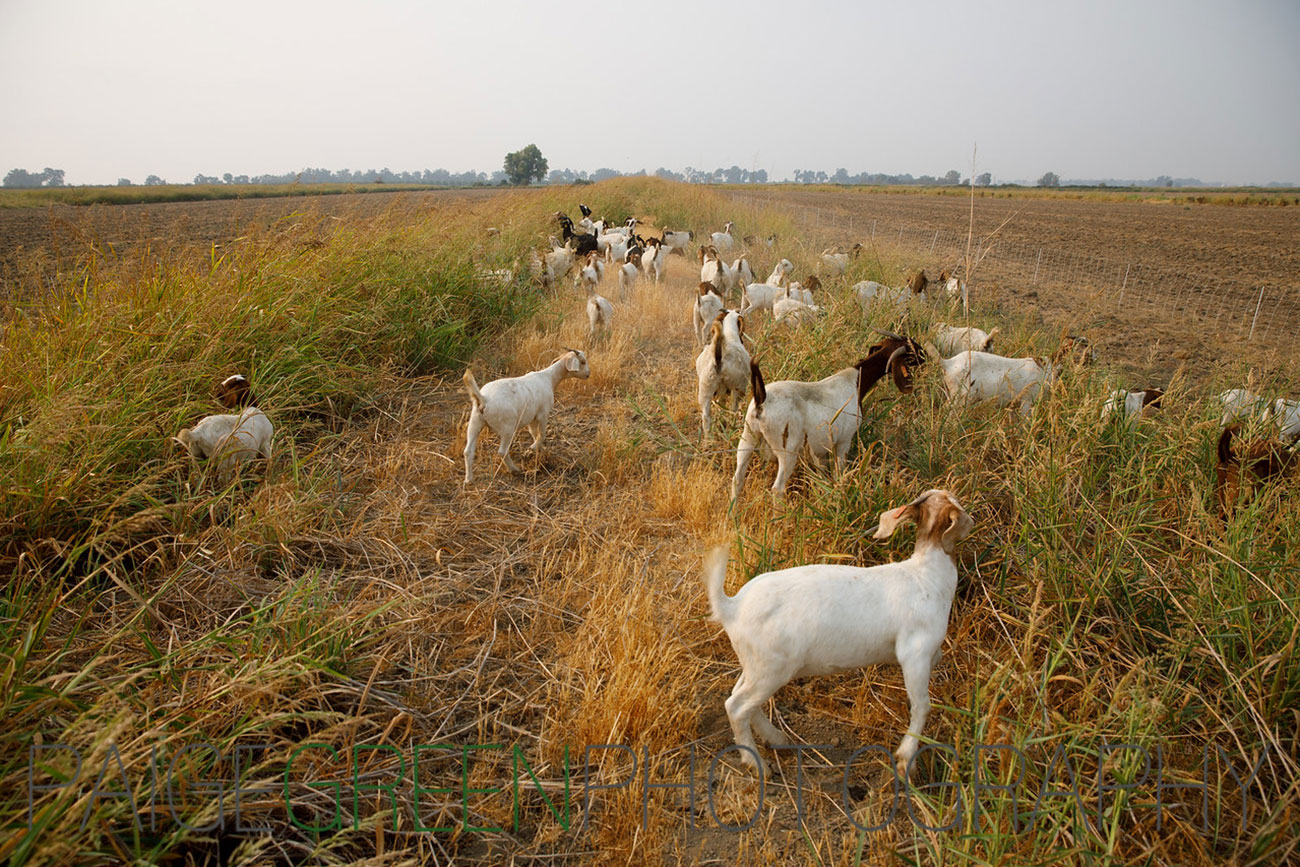
Climate Change and Agriculture: How Food and Fiber Work Together for Climate
Sustainable food production needs to include fiber systems in order to reduce agriculture’s carbon footprint and heal our planet. In this article, we discuss the link between climate change, agriculture, and food and fiber systems.
Read More