

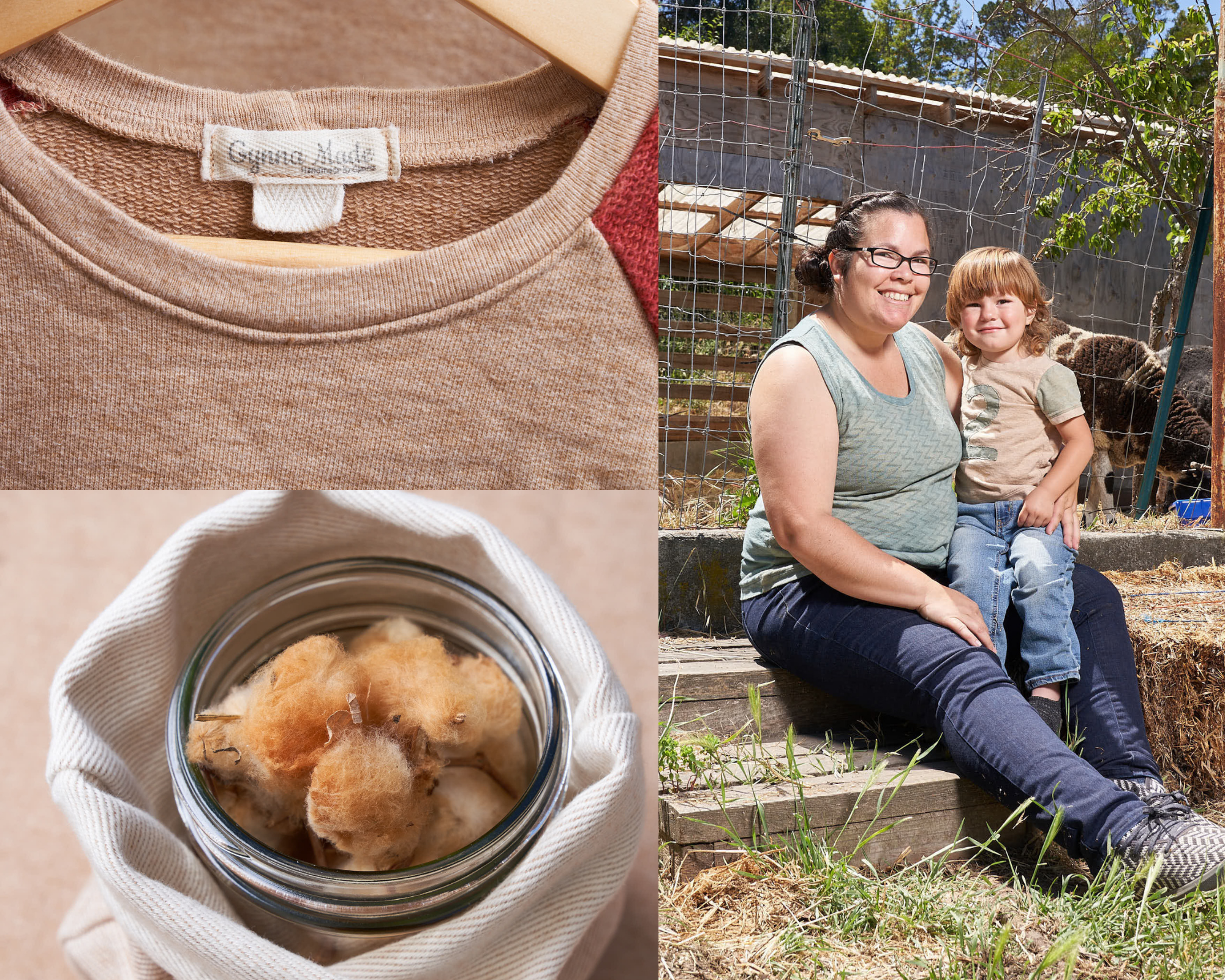
Everything from the materials used to the manufacturing process is sustainable at Gynna Made. Each piece of clothing is made-to-order, essentially creating zero waste. Scraps are used for stuffing, mending or are composted. All designs go through a rigorous six-month wear-and-test period.
Read MoreRecent Stories from Fibershed
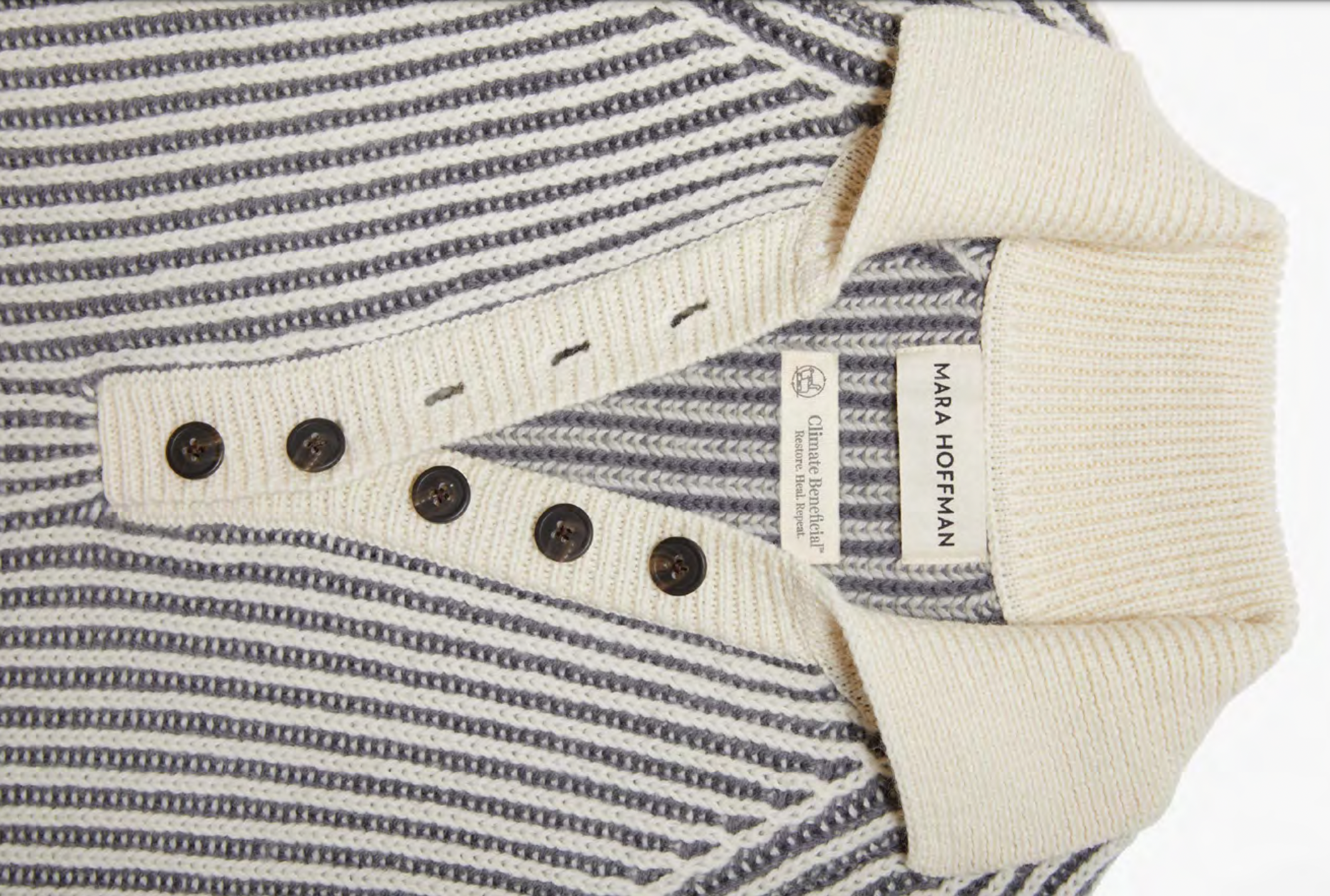
A Toolkit for Fibersheds & Brands. Part 2: Brand Stories
How do work with a fibershed? From tips on how to create a meaningful and fully traceable U.S. supply chain, to creating a whole new textile language, our experts weighed in.
Read More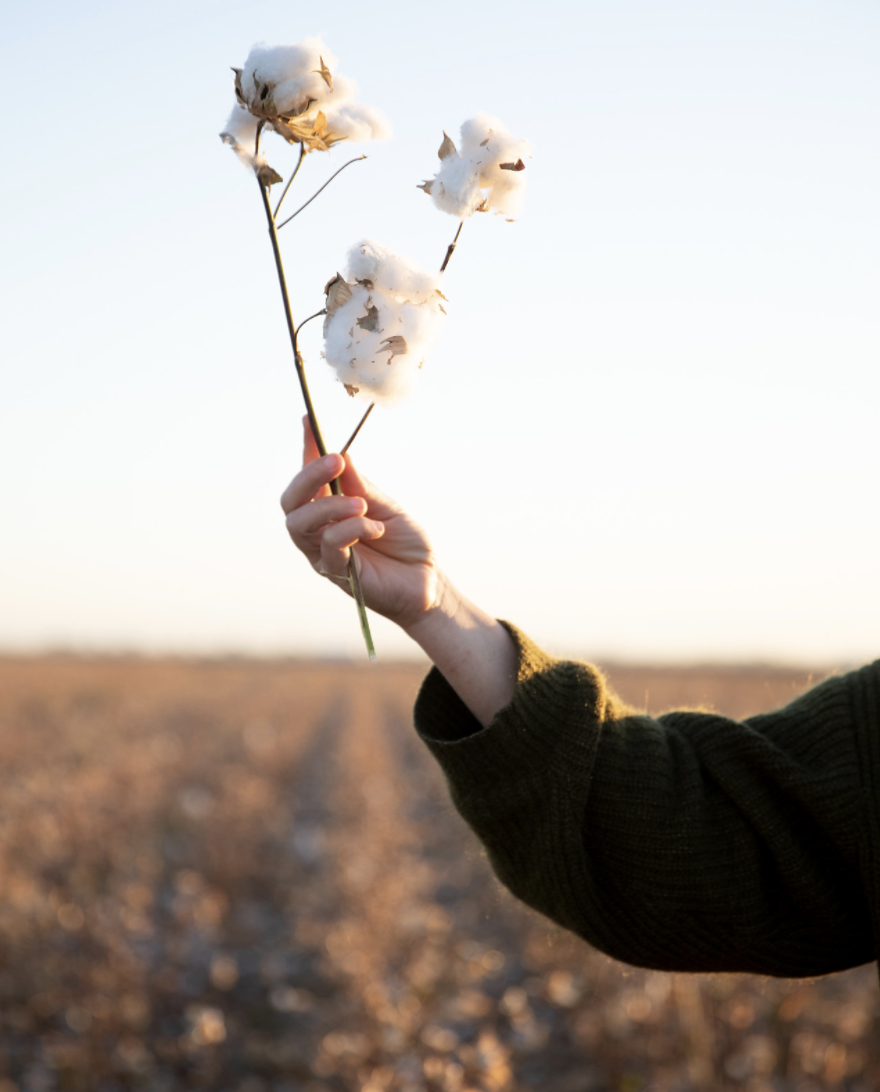
A Toolkit for Fibersheds & Brands. Part 1: Fibershed Stories
Fibersheds nationwide are advancing a new approach to textile supply chains. This article hones in on three examples of Fibersheds doing this work and shares key lessons about rebuilding U.S. fiber infrastructure. With more brands coming to fibersheds, both parties need to understand where the other is coming from and work to build alliances with more than just a handshake.
Read More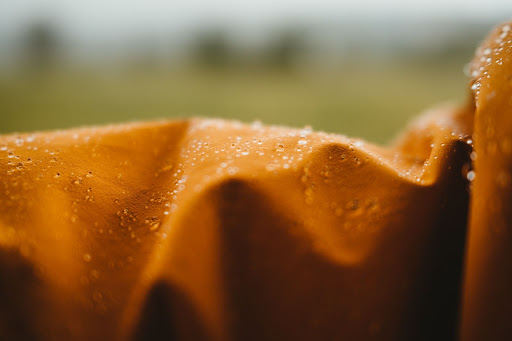
Understanding the PFAS problem — and what we can do about it
PFAS are harmful chemicals that can show up in our clothing (without us even knowing it). In this article, we break down what PFAS are, how they are used by the textile industry, and what we can do about this important issue.
Read More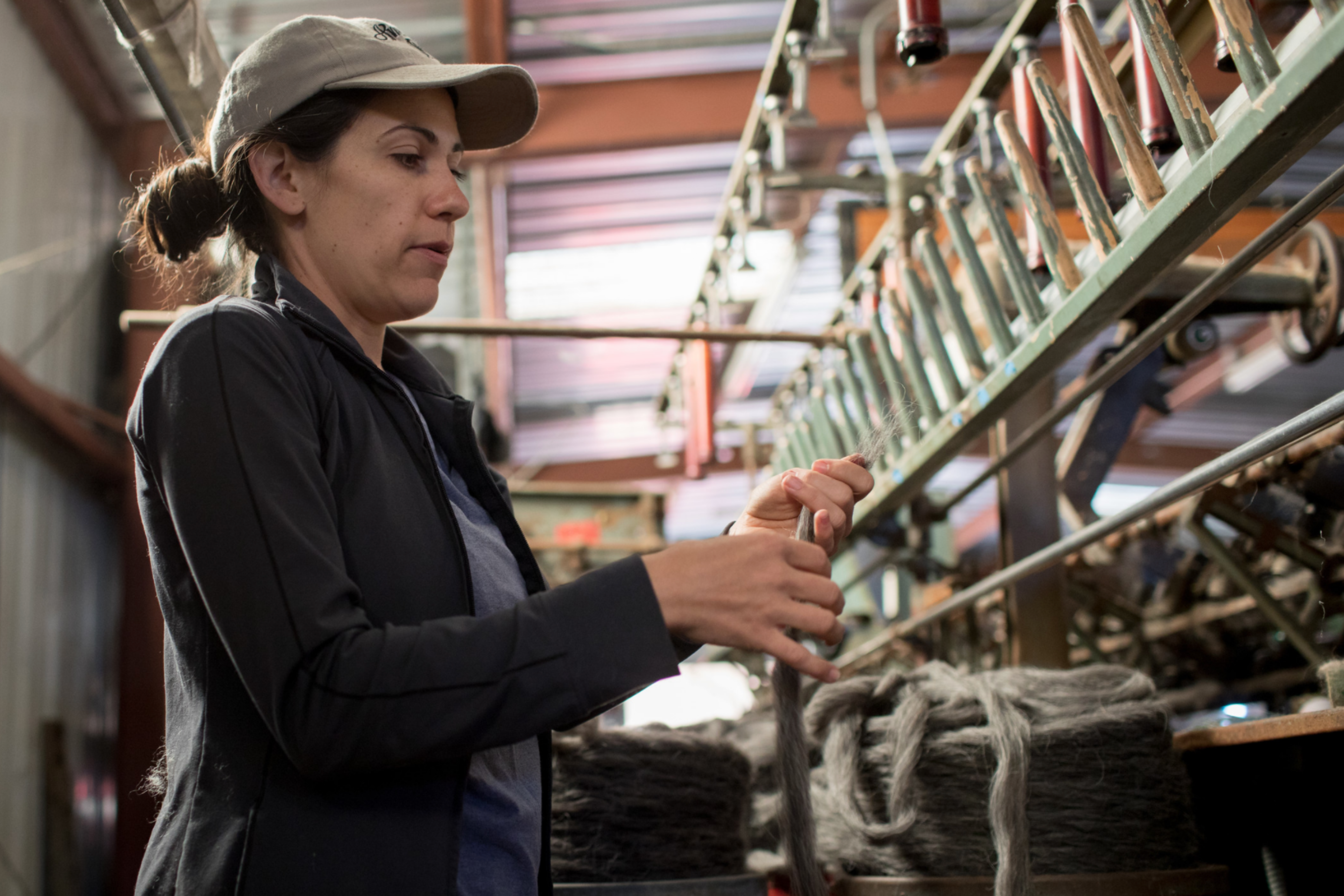
Mills Bring Fiber and Opportunities to Life
This article highlights a critical part of the fiber supply chain: the fiber processors that operate mills. Situated between the producers growing raw natural fibers and the artisans and designers crafting textiles, fiber mills add life to a product. As an intermediary, mill owners and operators get to experience numerous aspects of the life cycle of fibers and textiles. A true labor of love, their work requires a deep understanding of natural fibers’ properties — from sheep’s wool to alpaca to cotton and flax — to create customized products of the highest quality.
Read More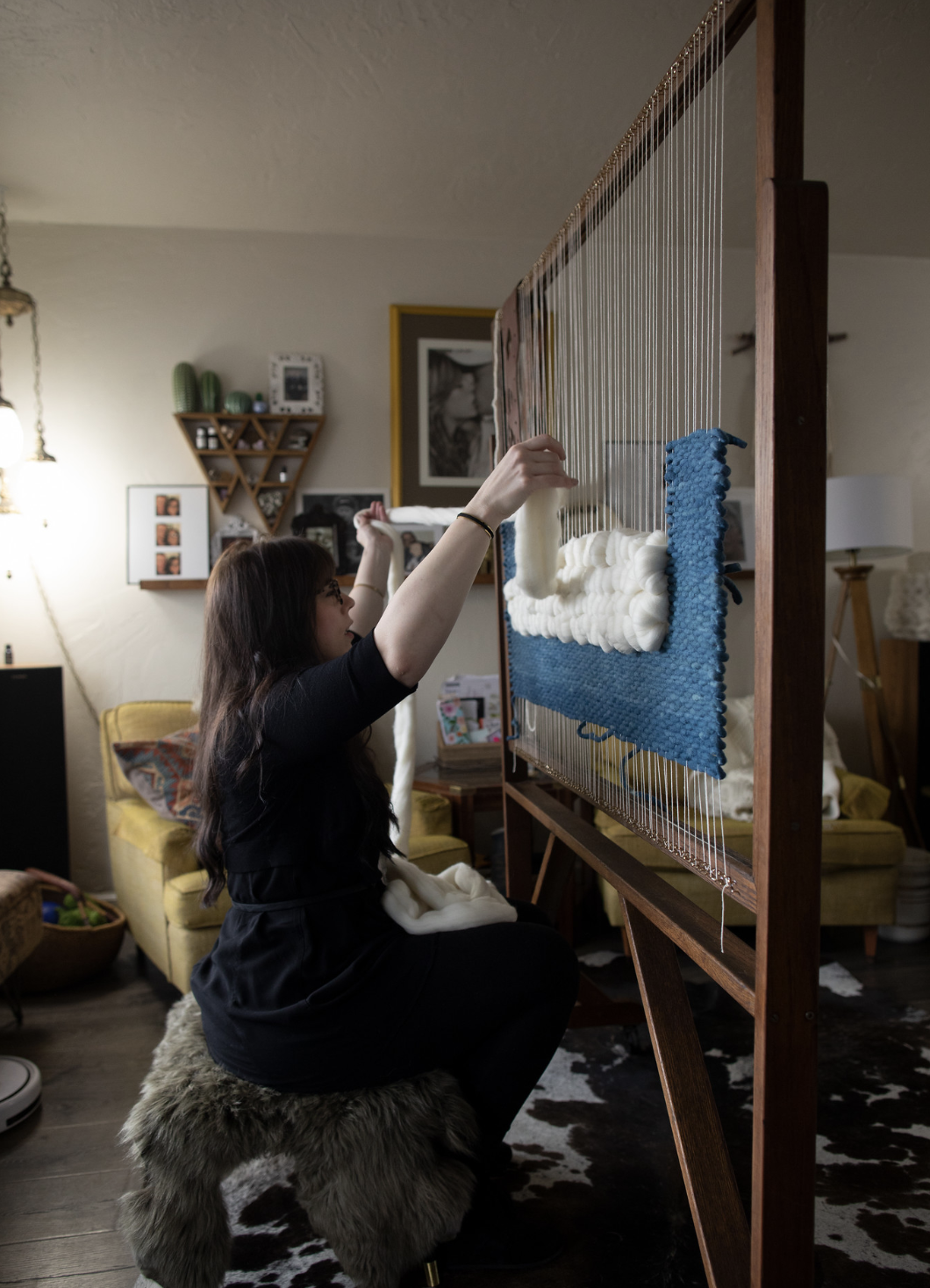
Why Artisans & Designers Should Use Climate Beneficial Fiber in Their Work
Fiber artisans have the opportunity to support soil-regenerating practices and natural fiber producers by being selective about the type of fiber they work with.
Read More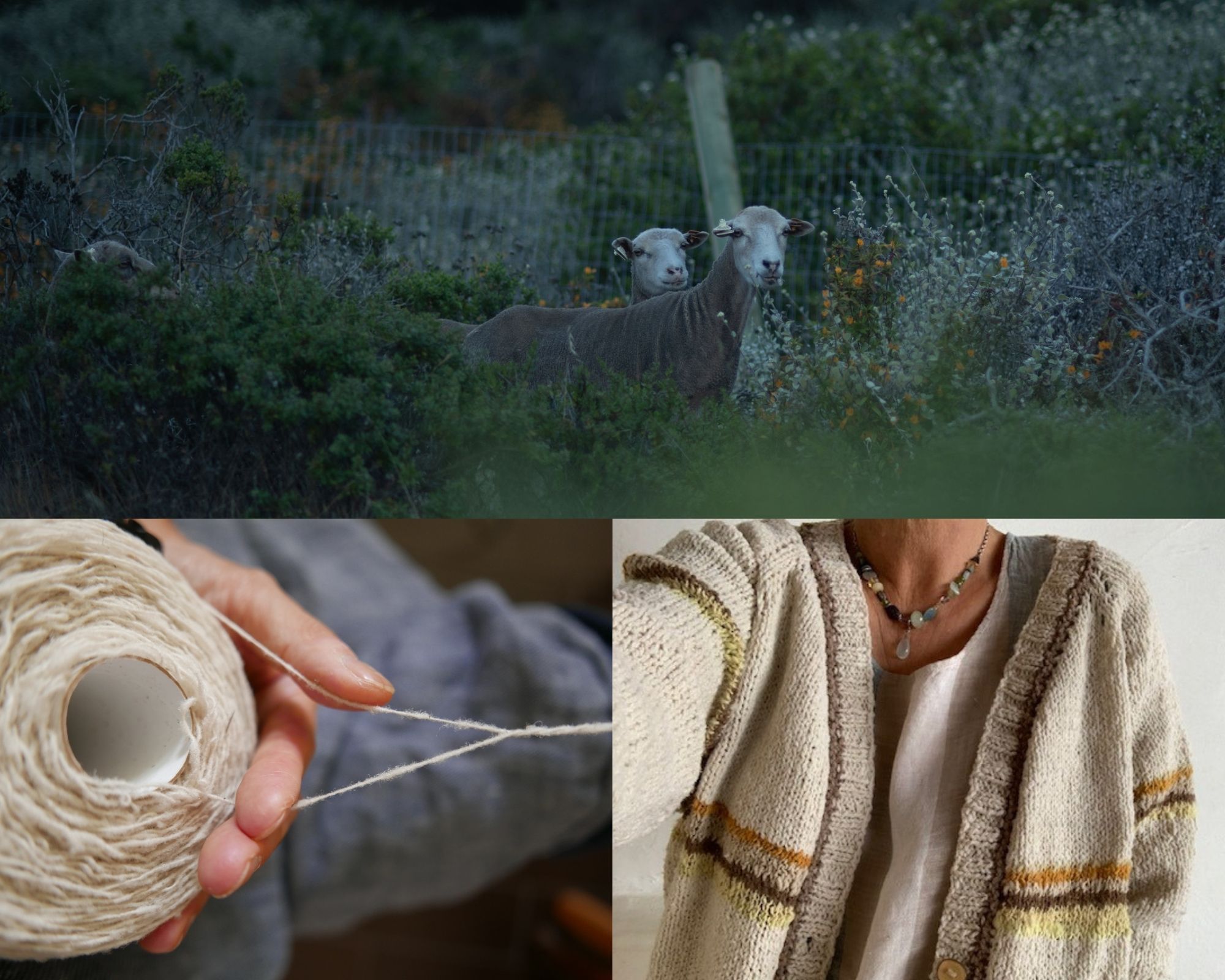
A Story of a Working Sweater: In Collaboration with Sheep, Shepherds, and Artists
The following pieces are written by five Fibershed producer members offering their perspectives on the creation of a community-constructed sweater using Santa Cruz Island sheep wool.
Read More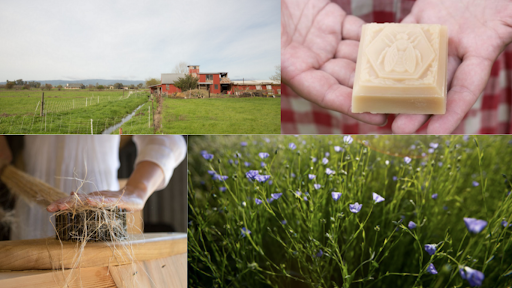
How 10 innovative makers and designers are incorporating Climate Beneficial fiber into their products
At Fibershed, we see a nourishing tradition emerging that connects us to the fields where clothes are grown in a system that can last for countless generations into the future. What if we told you that certain natural fiber production practices can not only mitigate harm to the environment — but benefit and protect it? […]
Read More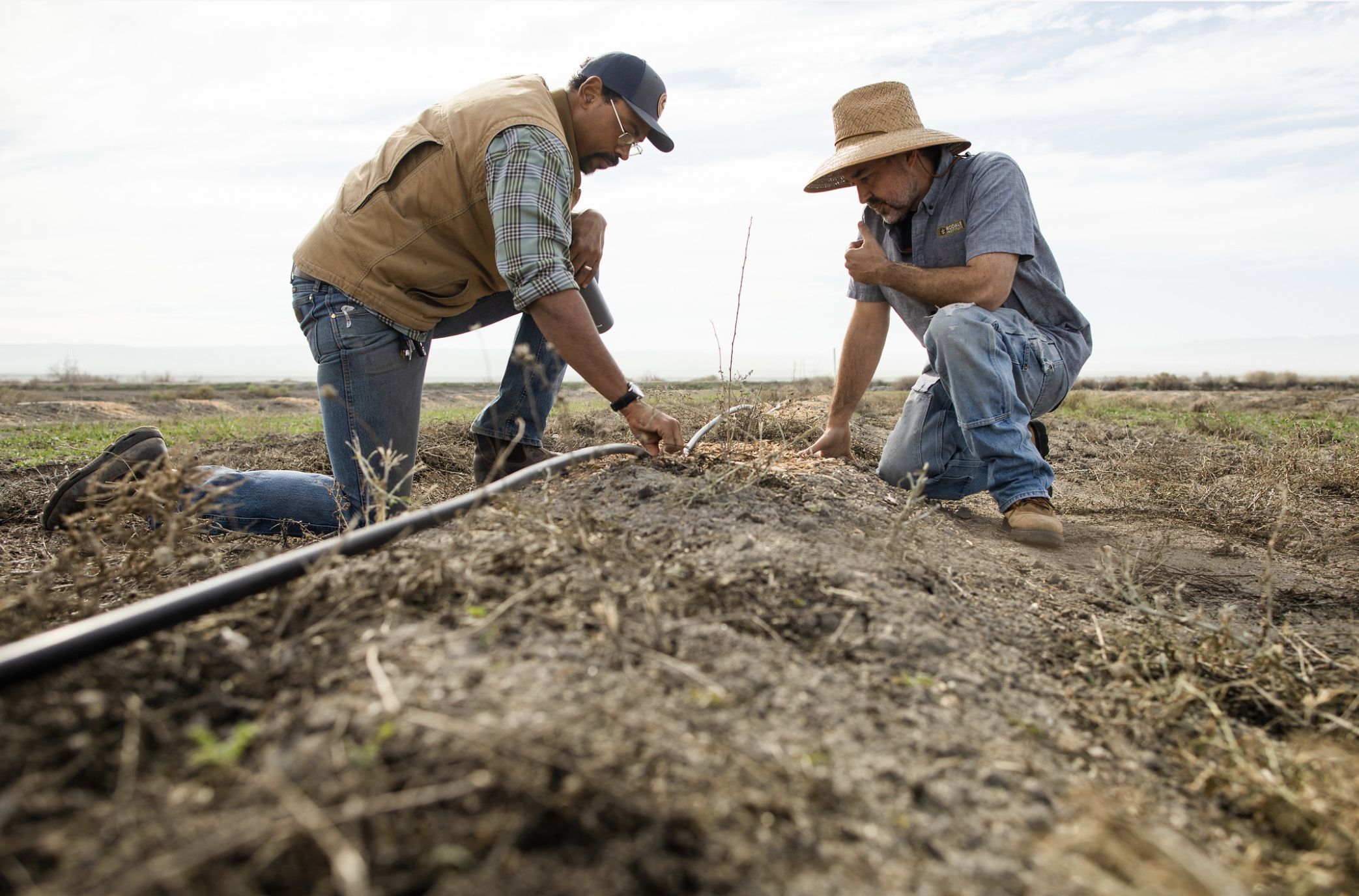
Alley Cropping in the Liminal Zone: Growing Resilience in the San Joaquin Valley
What will the San Joaquin Valley–home to one quarter of the nation’s food production–look like fifty years from now? Fifth-generation farmer Nathanael Gonzales-Siemens and a team of farming and fiber systems advocates are undertaking an experiment in Buttonwillow, CA that may determine part of the answer.
Read More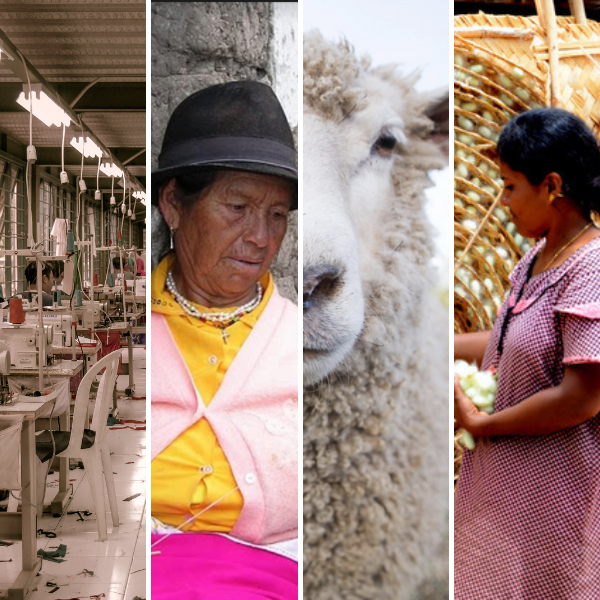
Unpacking ‘Sustainable’ Fashion
“Sustainability, as defined and measured in fashion, is currently an elitist, even imperialistic concept,” says Veronica Kassatly, analyst and consultant for data-based sustainability claims. In this four-part series, Kassatly examines how Western brands, consumers, and activists define the conversation around sustainability, based on their own interests and cultural values. She brings light to unfounded assertions about the long-lasting fiber traditions of wool, silk, and alpaca production in an effort to map out better solutions for moving toward “sustainable” fashion that is truly sustainable and socially just.
Read More