

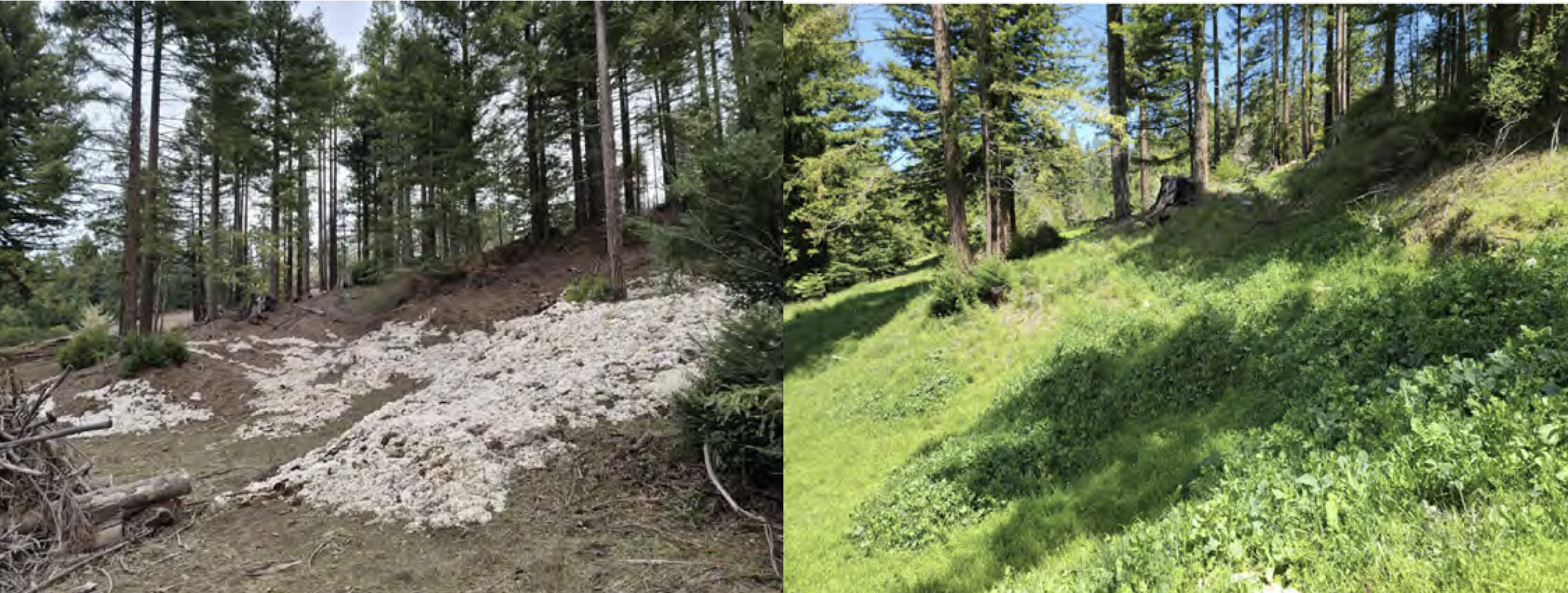
Bringing producers, artisans, and policy together has the potential to increase fair payments to farmers to support more ecologically sound farming practices while providing a premium product to regional artisans and creators. Read our takeaways from the 2021 Carbon Farm Fund Report to understand the variety of ways we support on-the-ground climate beneficial land-management practices for more resilient fiber systems.
Read MoreRecent Stories from Fibershed
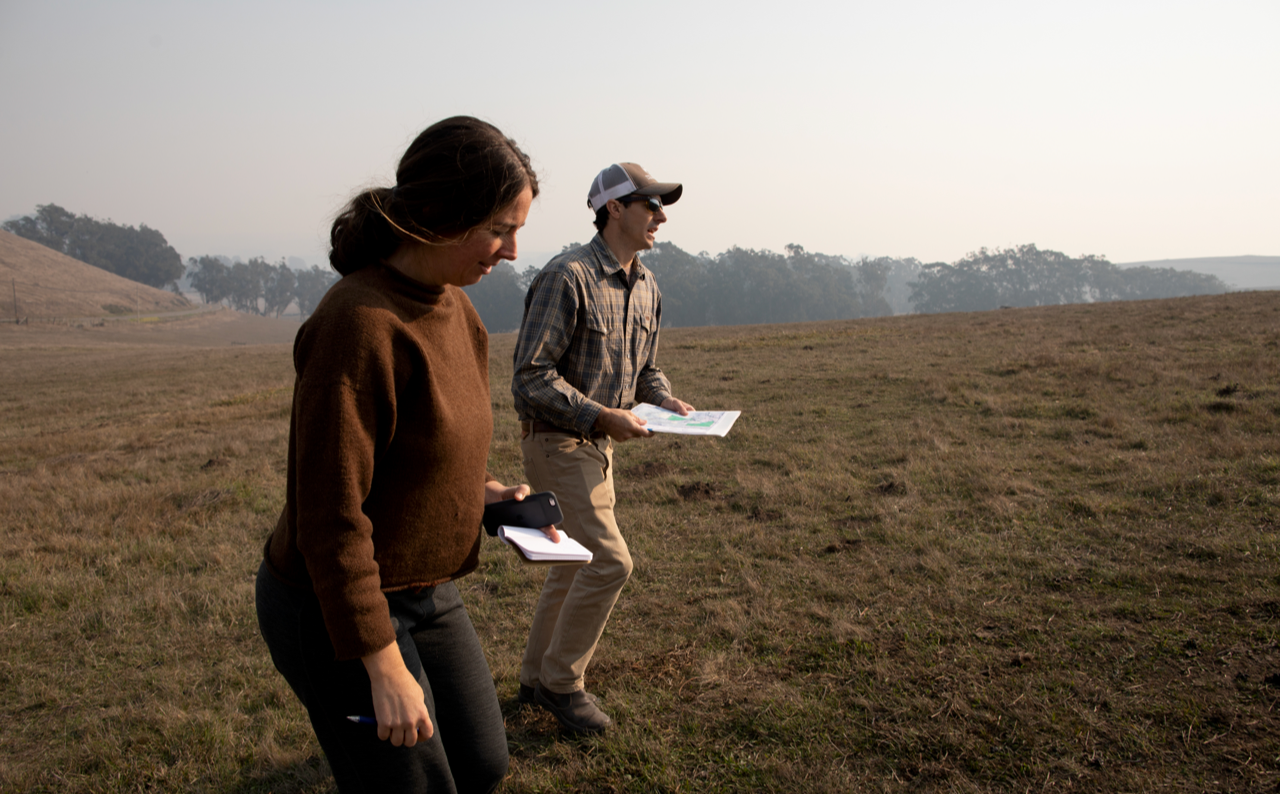
What We Must Do to Balance the Carbon Budget: A Letter from Fibershed Executive Director Rebecca Burgess
While the global goal setting, commitments, and action plans are heartening, I continue to find the most hope and understanding as to what is required to achieve change while working at the local landscape level.
Read More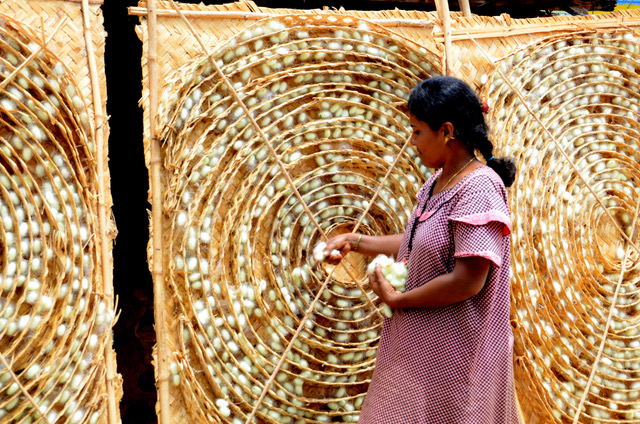
Silk: Caught in a Web of Deceit
In a series of 3 articles, I hope to shed some light on the absurdity and injustice of many of the claims ‘sustainable’ fashion has leveled against silk.
Read More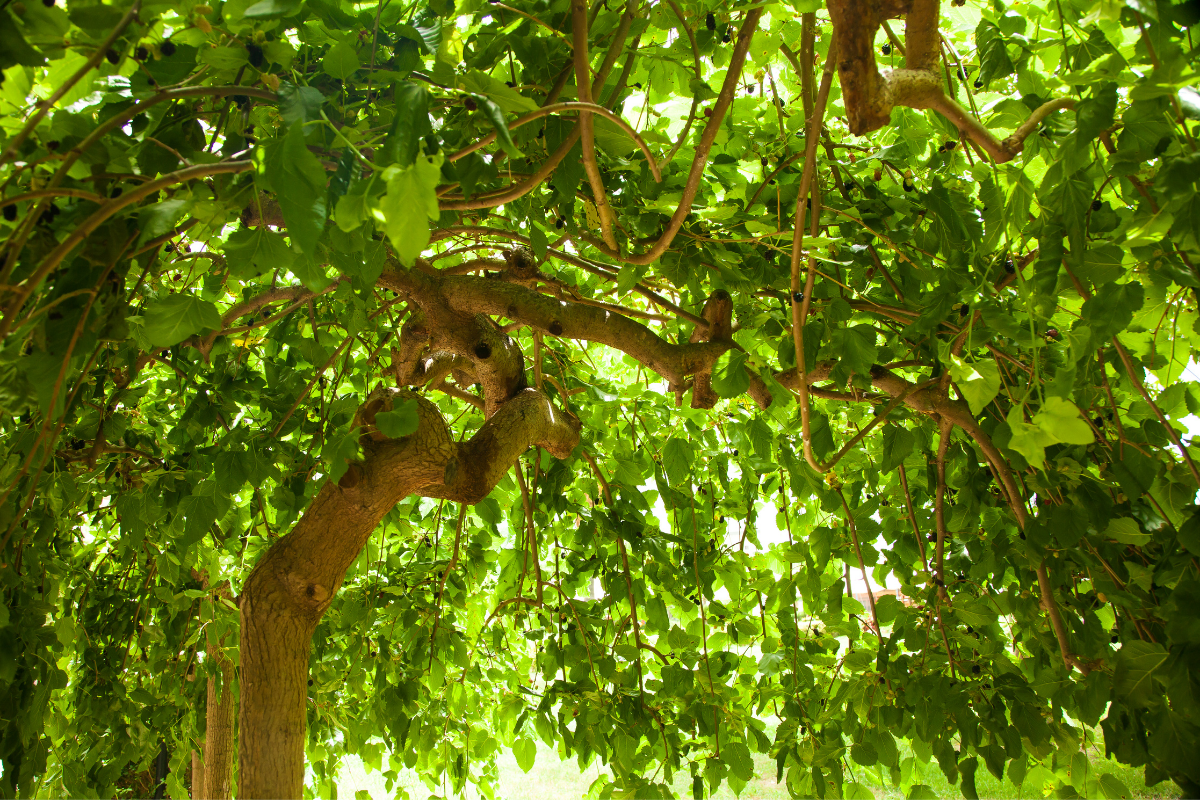
Silk Stories Part 3: White Space or Twelve Million People Don’t Matter
In this third and final article of our Silk Stories series, we look at a double standard employed by sustainable fashion to demonize silk: the notion that carbon offsetting applies to all trees but mulberry trees.
Read More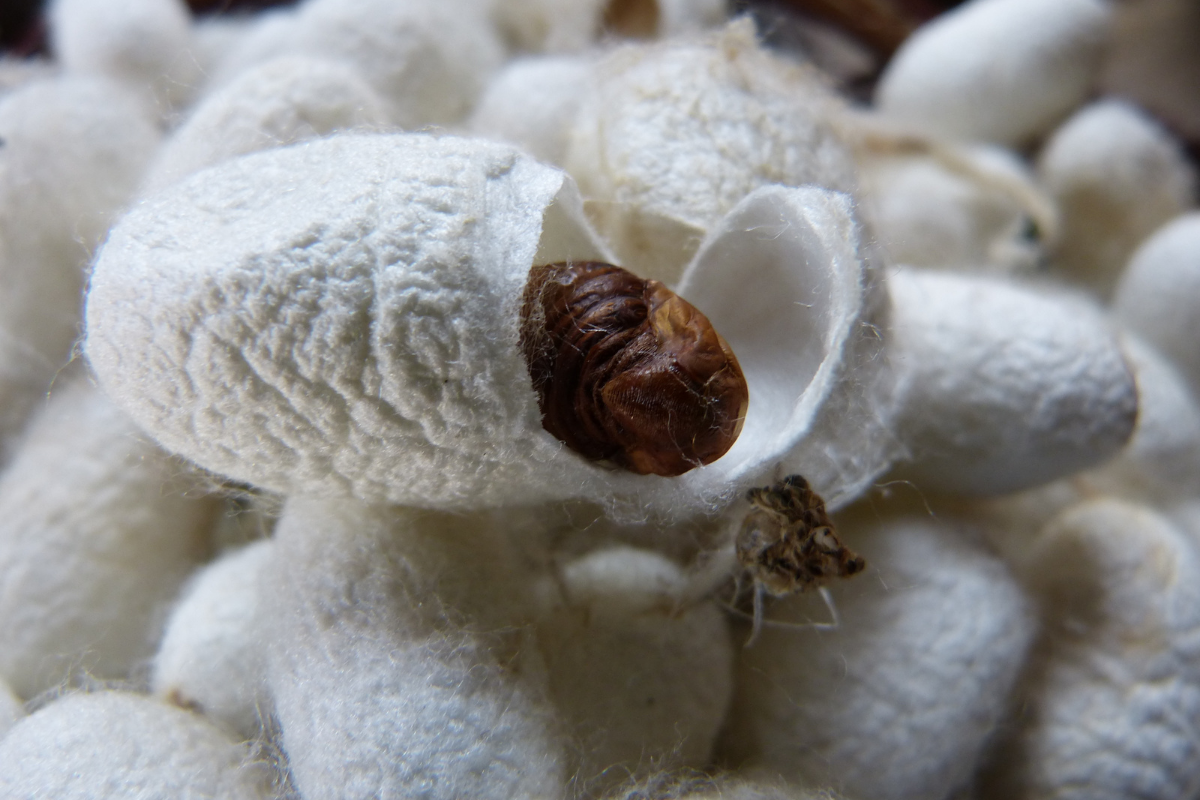
Silk Stories Part 2: Yellow Peril or Green Dressing
In this second piece of our Silk Stories series, we examine fashion’s acquiescence to – or perhaps exploitation of – vegan supremacy in sustainability analysis, and the partial and selective manner in which both costs and benefits are assigned to silk production.
Read More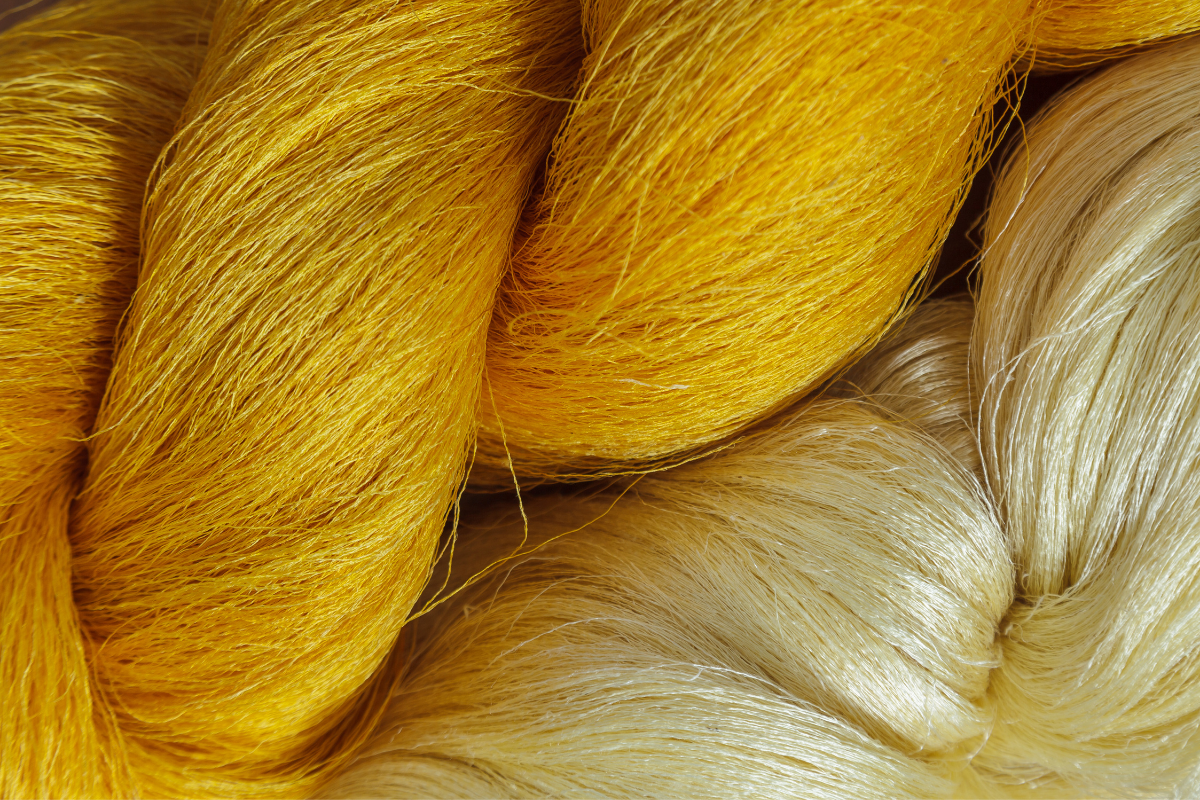
Silk Stories Part 1: The Bodies of Bodhisattvas Transformed, the Manifestation of Unparalleled Generosity
Sustainable fashion’s demonization of silk is unjustified. It’s not a conspiracy. It’s capitalism. Here’s what various stakeholders have to gain from making false claims against silk.
Read More
What You Need To Know About Microplastics and Textile
The truth about the textile industry’s role in microplastic pollution and what you need to know to fix it.
Read More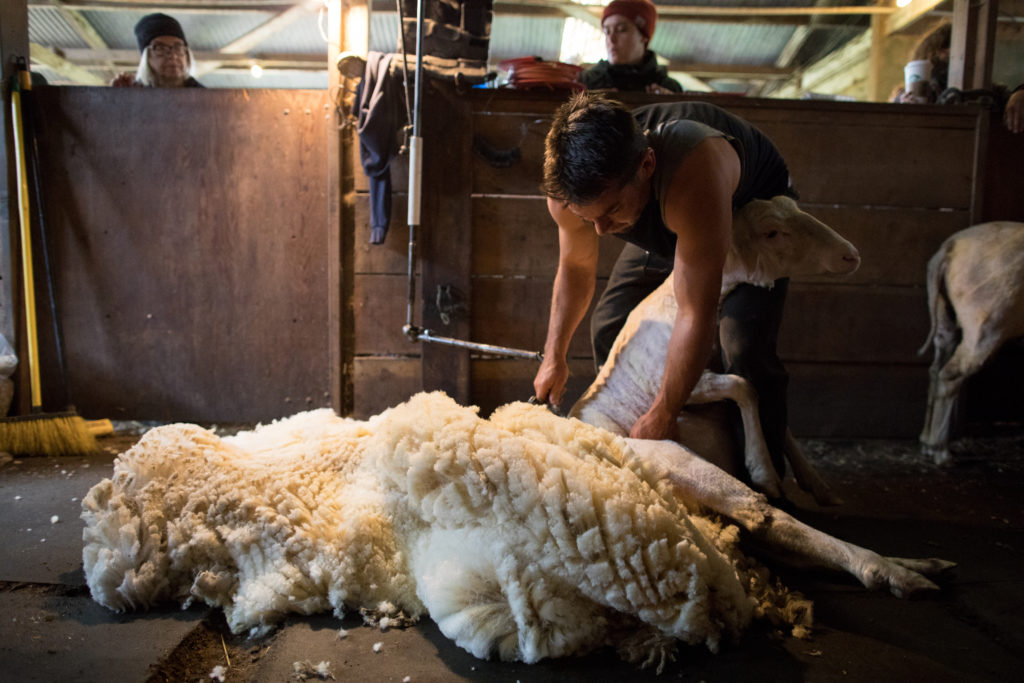
Shedding Light on Sheep Shearing: 3-Part Series for Understanding the Shearing Process
How do we get from soil to skin? From raw fiber to finished clothing or goods? We might ask ourselves these questions about our food, but we rarely stop to think about it as deeply when it comes to our garments. This article helps to educate, demystify, and describe the sheep shearing process to create a richer understanding and respect for the process that provides wool for clothing and goods.
Read More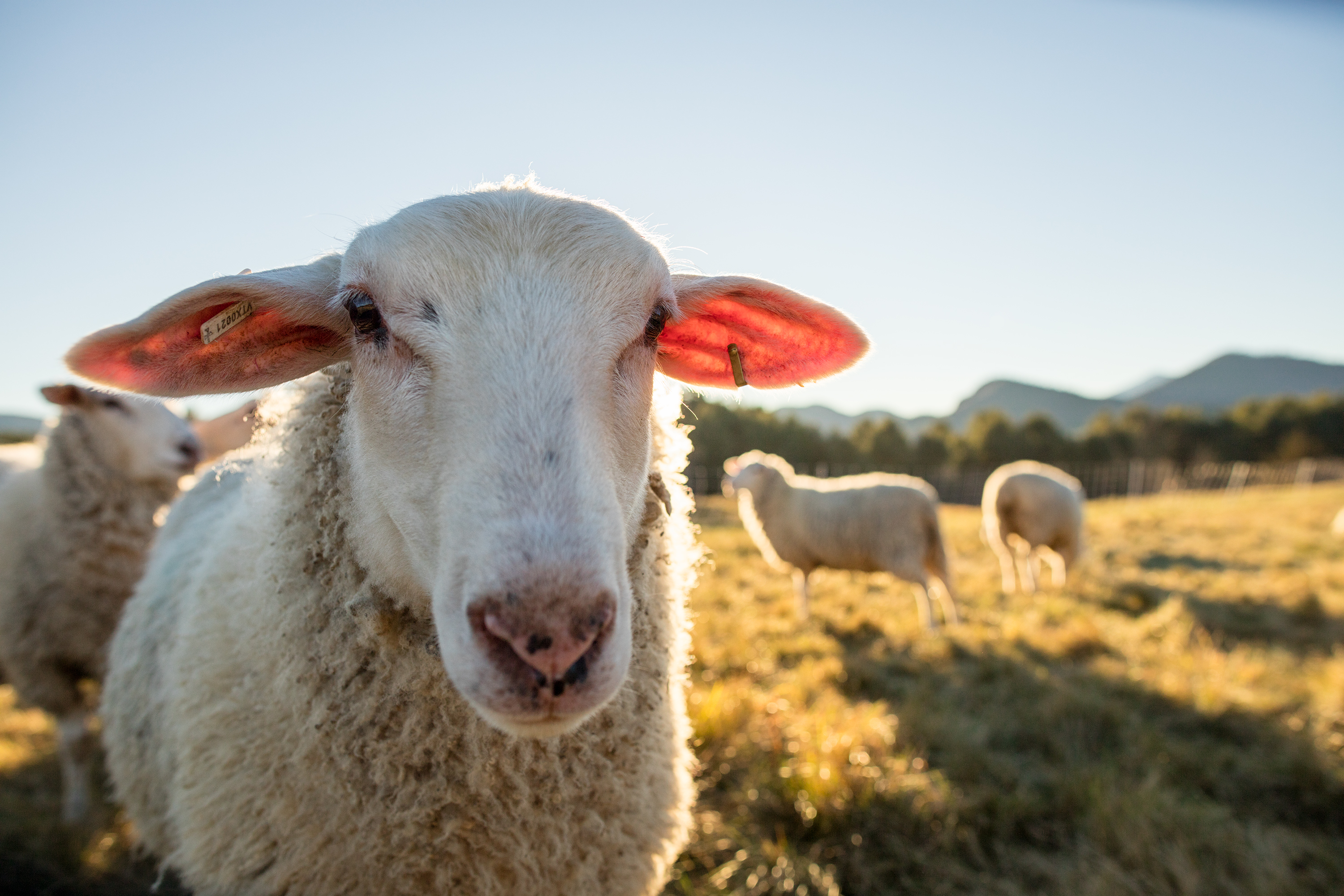
Harm in The Guise of Doing Good
Written by Veronica Kassatly In my last post for Fibershed, we talked about fashion’s purported commitment to the UN SDGs; about how those are underpinned by the Brundtland report’s definition of sustainability; and about how and why ‘sustainable’ fashion is not actually sustainable at all. The role that different fibers play in offering those who […]
Read More
Bread and Sweaters: How Grain and Grazing Benefits Food and Fiber Systems
Written by Marie Hoff Paige Green Photography Grazing and grain are ancient, connected in a relationship of survival that, through their mutual adaptation, support the varied and complex world that is life itself on this planet. Forged on grasslands and woodlands, and over millions of years, grasses — which produce grain — and livestock — […]
Read More