

The holidays have a way of pulling us back to the basics: what we use, what we value, and who made the things we reach for every day. Within Fibershed communities, those answers always start in the soil and move outward—through the growers tending fields and flocks, the mills keeping regional skill alive, and the […]
Read MoreRecent Stories from Fibershed
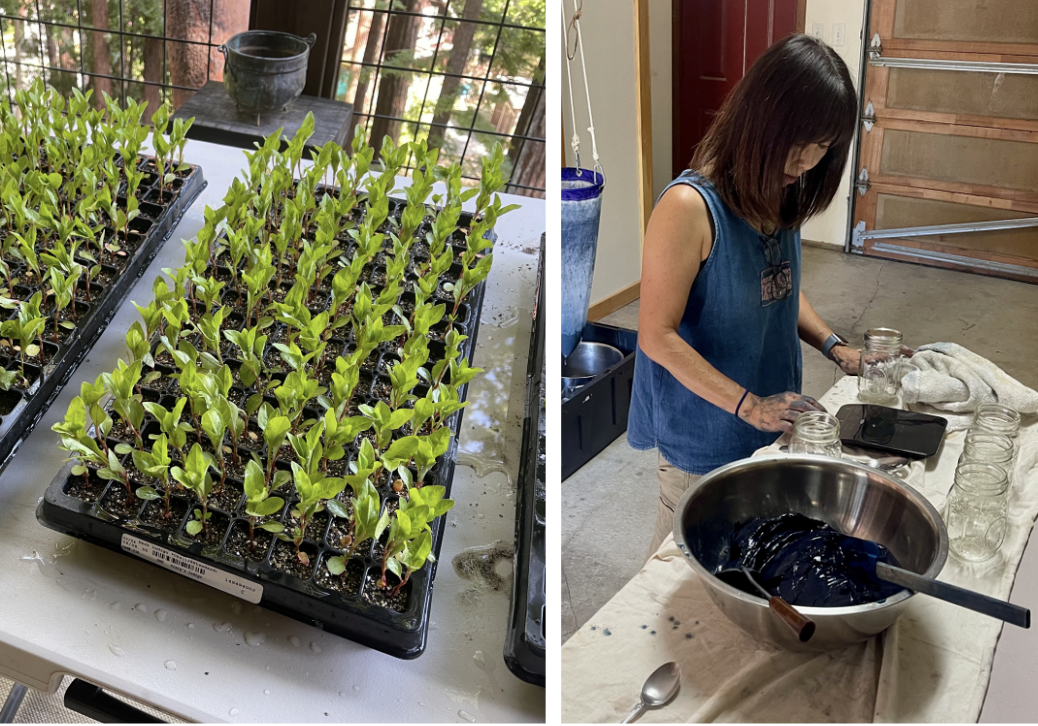
Indigo Field Notes 2025
Location: Fibershed Learning Center, Point Reyes Station California Three Northern California Fibershed members & producers, Craig Wilkinson, Rimiko Berreman & Heather Podoll, have collaborated with the Fibershed Learning Center (FSLC) in Point Reyes Station California to grow several varieties of Japanese indigo / Persicaria tinctoria from multiple seed sources. One source included seed collected from […]
Read More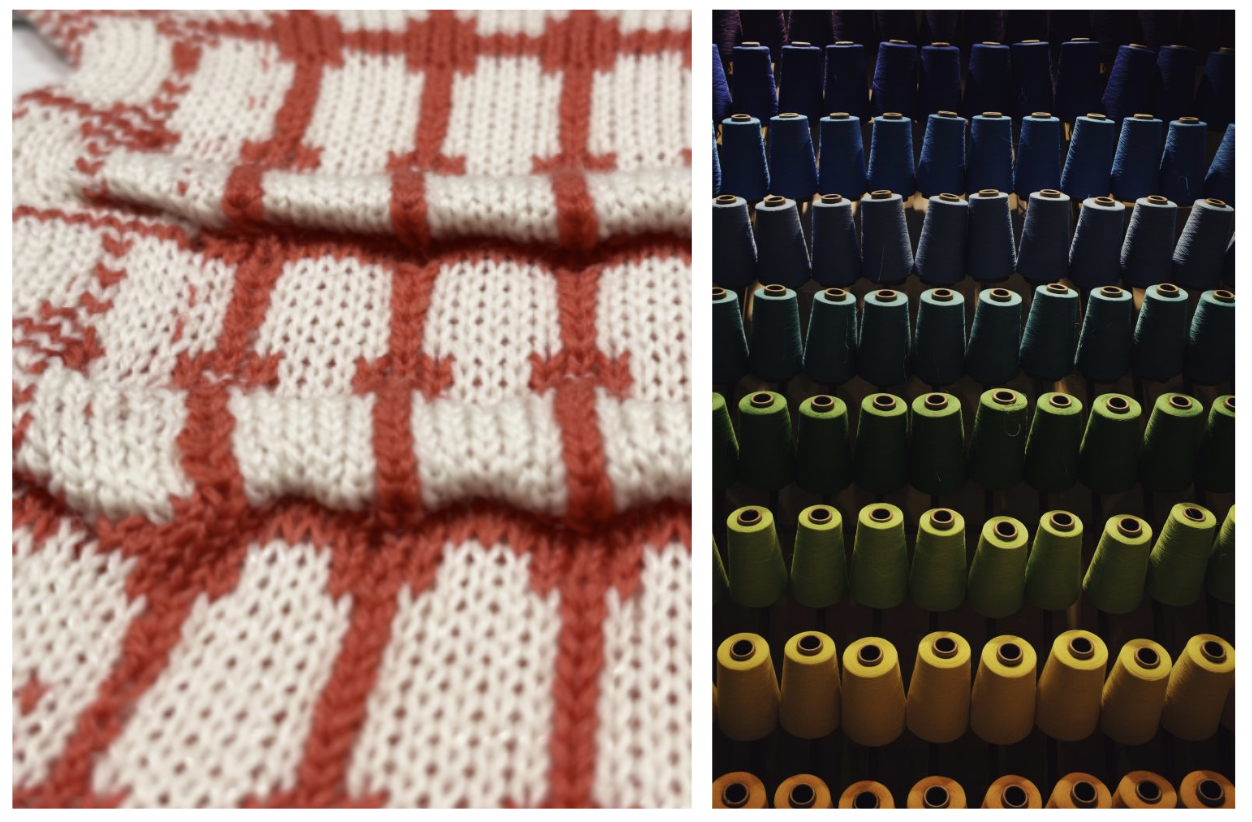
Creative Innovation: Melding Old and New Textile Technologies
Written by Ren Lezeu Innovation deals with generating value through improvement or newness, and comes from the practical implementation of ideas. When applied to the world of textiles and viewed from a sustainability perspective, innovation can mean finding ways to curb the use of synthetic fibers and minimizing the harmful outputs that come from textile […]
Read More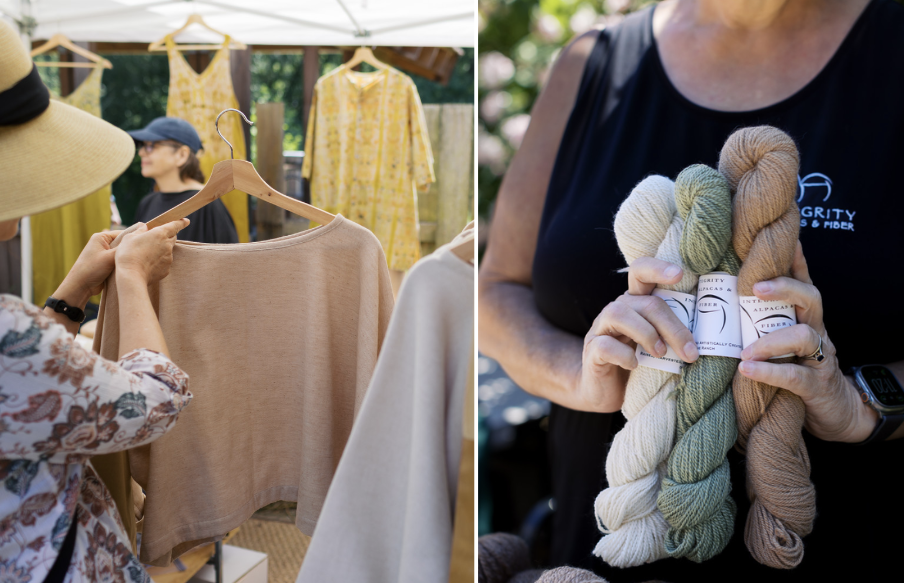
What We Can Do to Make California’s Responsible Textile Recovery Act Better
Photography by Paige Greene. California is taking a bold step toward tackling one of the most overlooked parts of our waste crisis: textiles. The Responsible Textile Recovery Act of 2024 (RTRA), also known as SB 707, directs CalRecycle to create an extended producer responsibility (EPR) program for clothing and other textiles. The law sets an […]
Read More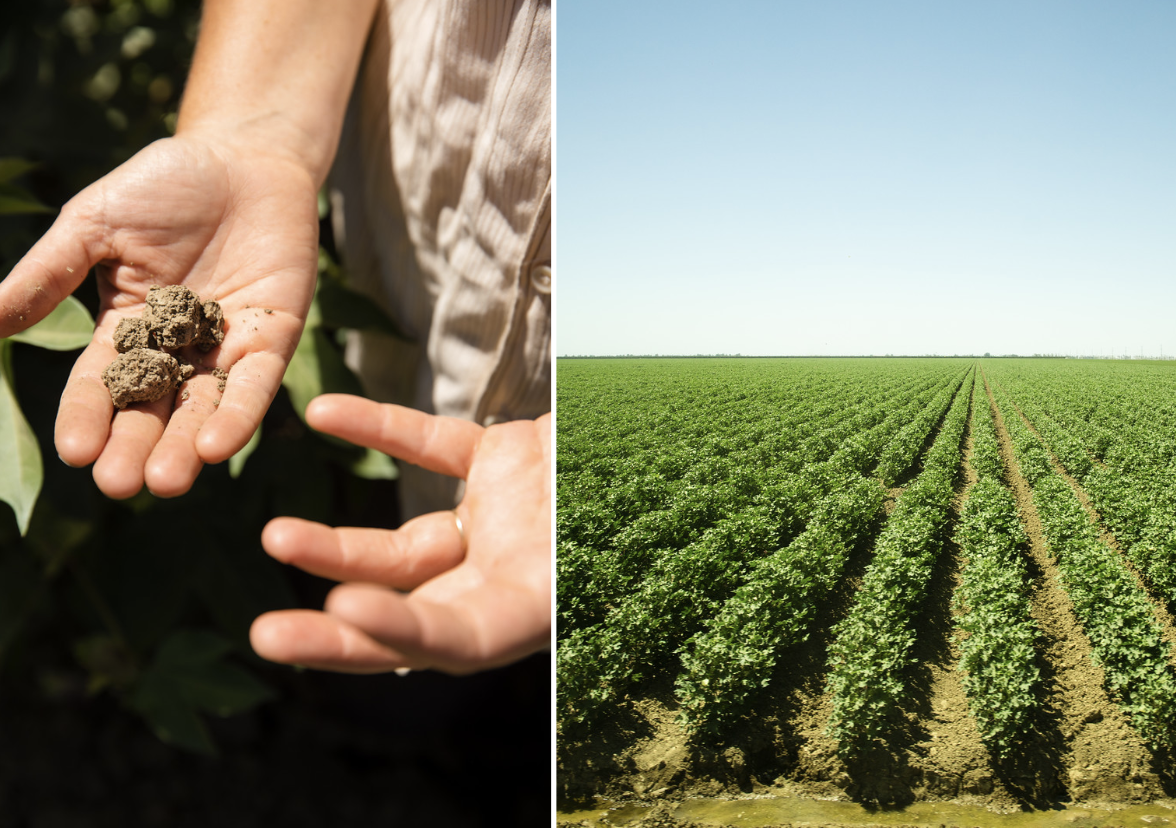
Why truly regenerative cotton isn’t cheap
Across the world, organic farmland is estimated to account for just 2.1% of total farmland. It accounts for less than 1% in the United States. And these low numbers have stayed troublingly static, even as consumer demand for “better” food and fiber has skyrocketed over the same period. Why the inertia? Because transition is difficult […]
Read More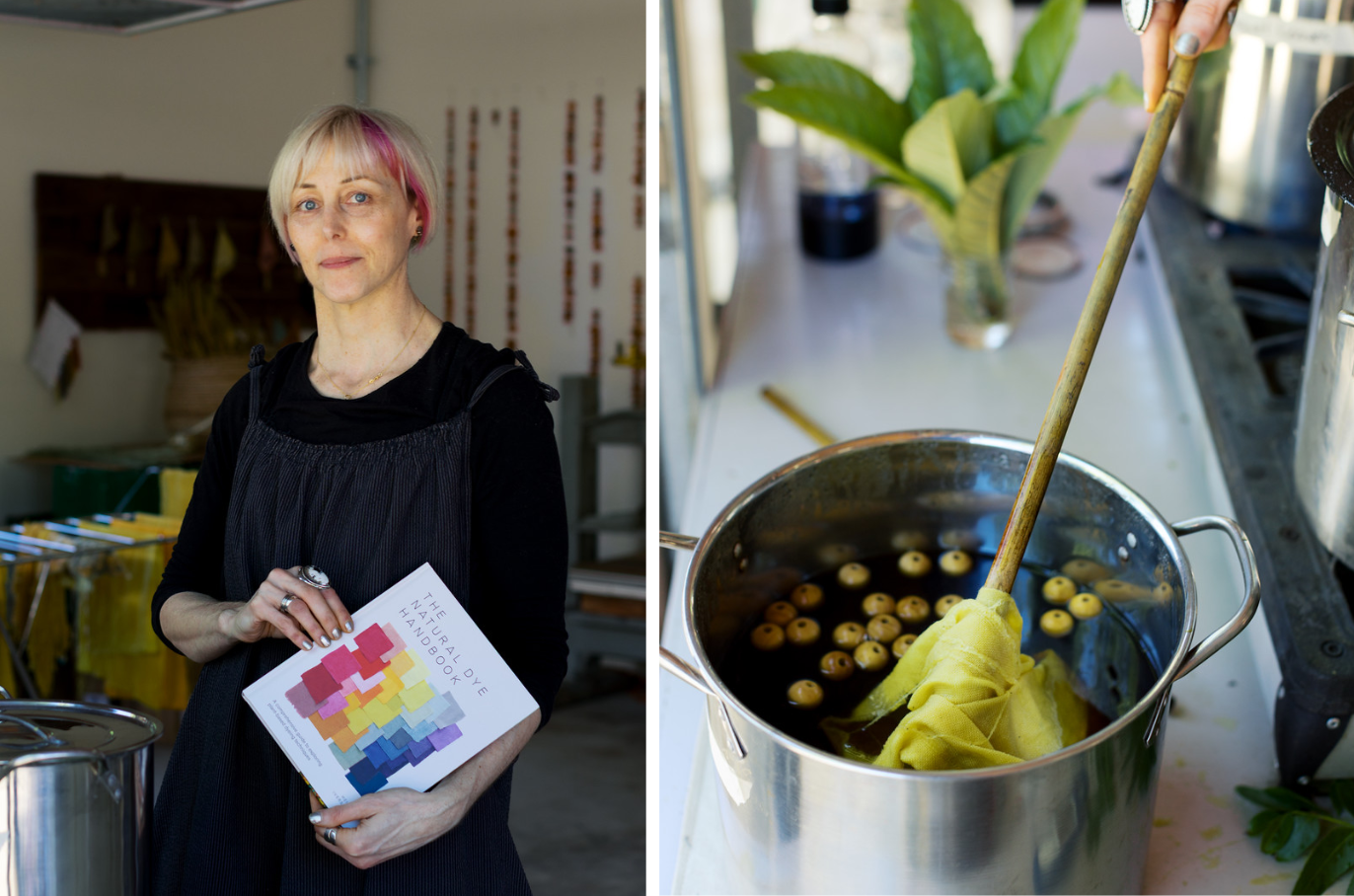
The Natural Dye Handbook by Heidi Iverson
Written by Stephany Wilkes. Photography by Paige Green. Available now I recently sat down for a conversation with brilliant natural dyer, artist, creator – and now author – Heidi Iverson of Honeyfolk. We talked about The Natural Dye Handbook, plants and land observations, climate trauma, balancing publishing needs with natural seasons, and lots more. SW: […]
Read More
Sheep, Soil, and Stewardship: The Mahoney Family’s Living Legacy
Written by Stephany Wilkes. Photography by Paige Green. Ryan Mahoney’s family arrived in Rio Vista, California in the 1870s, not long after the Great Flood of 1862 dumped ten feet of water in 43 days. That event moved Rio Vista to its present-day location, where a vertical-lift truss bridge now carries California State Route 12 […]
Read More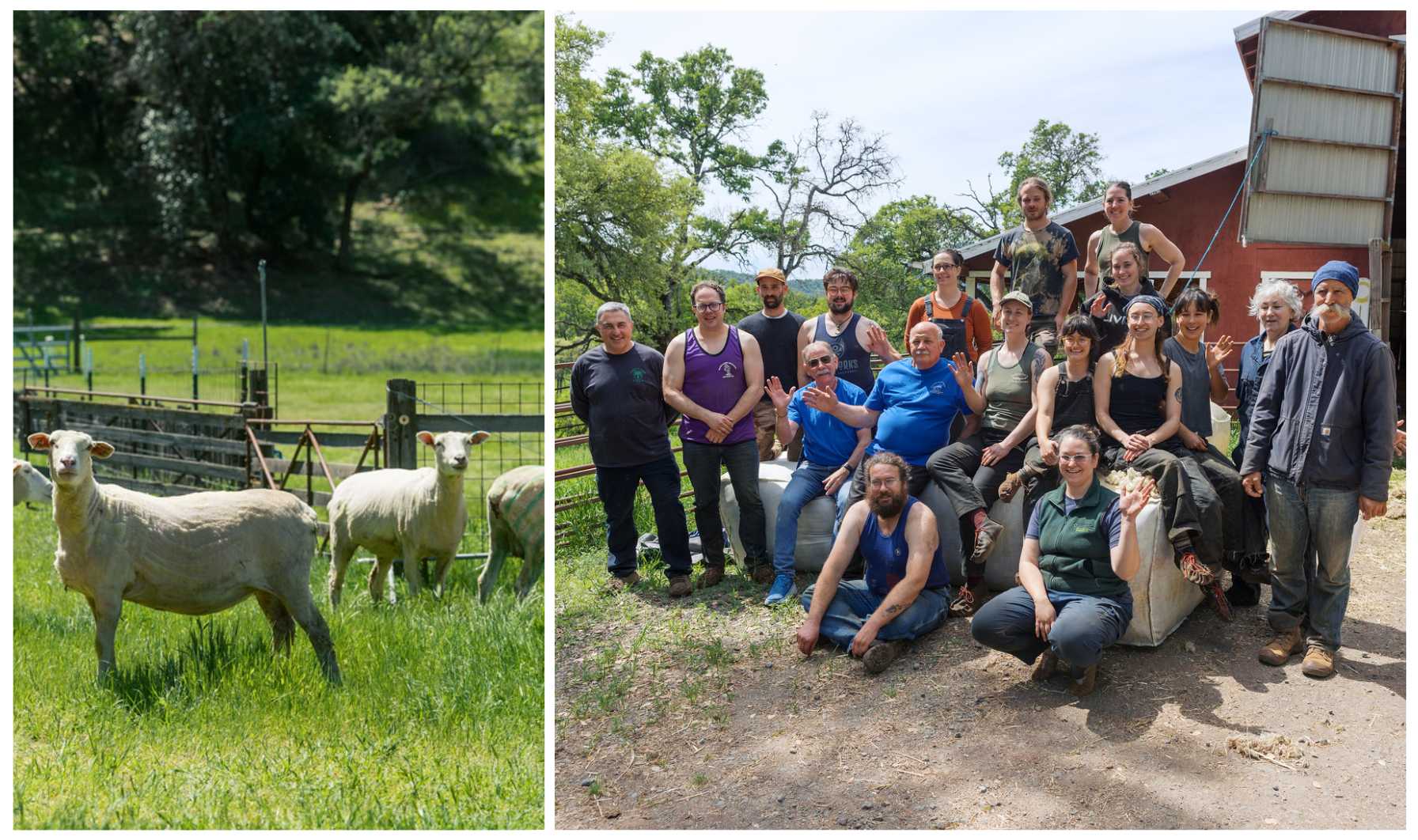
From First Fleece to Future Fiber Systems: Training the Next Generation of Shearers
Written by Stephany Wilkes. Photography by Paige Green. In April 2025, two dozen students attended one of two sheep shearing schools offered through the University of California Extension and supported by Fibershed. Weeklong classes were held at Pluth’s Homestead Ranch in Lake County and at the Hopland Research & Extension Center (HREC) in Mendocino County, […]
Read More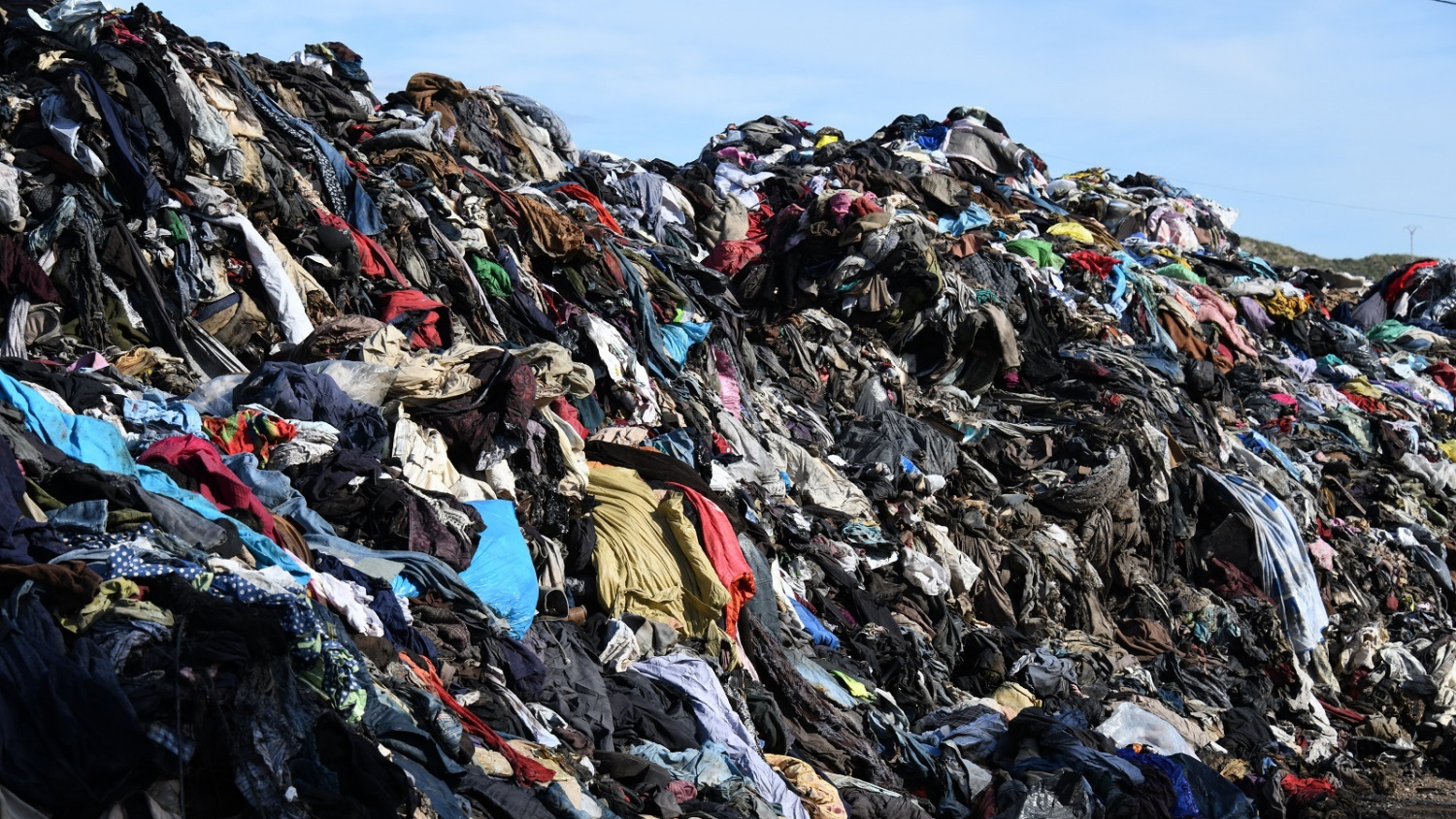
The Myth of Textile Recycling: Q&A
Q&A by Daniel Saavedra This summer, Fibershed teamed up with Dr. Emily Oertling from California State University, Sacramento’s Fashion Merchandising and Management program to offer a dynamic 6-week internship intensive. Focused on textile policy and advocacy, this program empowered emerging leaders to dive deep into the critical issues shaping the future of sustainable fashion. Read […]
Read More
The True Value of Restorative Fiber—Why Climate Beneficial™ is an Investment in the Future
Written by Rachel Witte. Photography by Paige Green. Sustainability certifications have become the default mechanism for demonstrating environmental progress in the fashion and fiber industries. Labels like organic, regenerative, and climate-smart emerged in response to growing consumer pressure for transparency as globalized supply chains made it harder to trace sourcing and hold brands accountable. They […]
Read More