


Written by: Connie Gaudio & Emily Oertling
Edited by: Fibershed
Photography by: TM Photo Co.
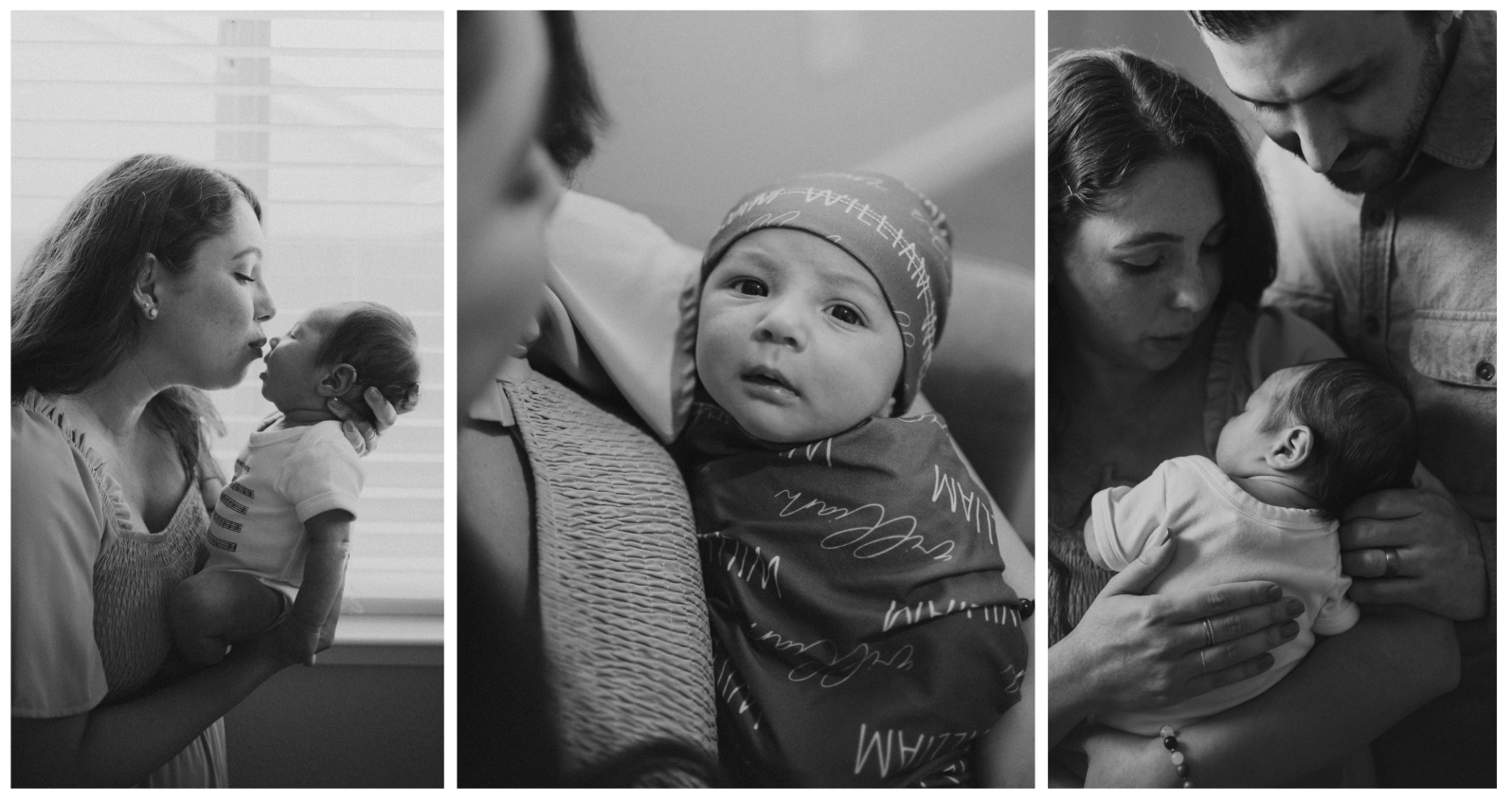
As a mother, I want what’s best for my family. Even before my son arrived, I had his first outfit picked out. When my son was born, the first textile his body touched was the hospital blanket. I remember the euphoria of holding him, wrapped in my arms, swaddled in the pink and blue blanket. In awe, I watched him grow, and at each stage, textiles protected his soft, gentle skin. I used them to swaddle his small body, then made him feel safe as I tucked him into his crib, and now his toddler bed.
But were these textiles safe for my baby?
Can I keep him safe from these textiles?
What is in our children’s clothes?
Today, the synthetic textile industry makes it challenging for us, as parents, to protect our families from the toxic chemicals present in our clothes and other textiles. Fibershed reports that three of the most significant human health and environmental concerns are synthetic fibers, microplastics/fibers, and PFAS .
What are synthetic fibers?
Synthetic fibers are man-made fibers derived from fossil-carbon sources like petroleum oil, natural gas, fracked gas, or coal. These non-renewable resources are manufactured into textiles through man-made processes. Synthetic fibers account for more than 60% of the clothing we wear today, including household names such as polyester, nylon, rayon, acrylic, and spandex. Because of synthetic fiber’s dominance in our clothing markets, you will find it at all of your local clothing stores. Polyester (polyethylene terephthalate) is a type of synthetic fiber, similar to those used in the production of disposable water bottles, which has been linked to endocrine disruptors, developmental problems, metabolic disorders, and an increased risk of breast and prostate cancer.
What are microfiber microplastics?
Microplastics are plastics that have been broken down to a size of 5 millimeters or smaller. These are byproducts of everyday products, such as baby bottles and, of course, our clothing in the form of microfiber microplastics. Specifically, synthetic clothing sheds microfiber microplastics during production, wear, wash, and disposal and have been detected throughout our environment and in the human body. Humans ingest about 100,000 microplastics specks a day from the air, water, salt, and seafood. According to the 2023 Report of the California State Policy Evidence Consortium (CalSPEC), ingesting microplastics can lead to low infant birth weight, negatively affect growth, contribute to hormonal level changes, impact ovarian follicles, and cause sperm and testicular damage. Exposure to high levels of microplastics, which function differently than plastics in the environment, can harm the respiratory, immune, and gastrointestinal systems.
Microplastics are currently being proposed to be added to California’s Chemical List, which will help the state regulate products that generate microplastics. If this concerns you and your family, you can comment between June 25 and August 4, 2025.
What are PFAS?
PFAS (per- and polyfluoroalkyl) are man-made toxic substances that coat many apparel products, such as baby bibs and bed sheets. These are the finishes that make a product stain or water-resistant. Also known as ‘forever chemicals’, their chemical bonds make them very slow to decompose, and therefore, they persist in our environment and our bodies for a long time. It doesn’t break down in our bodies; instead, it builds up, making it difficult to remove.
PFAS have been in use since the 1940 and according to the EPA, has been found to cause reproductive effects such as decreased fertility, increased high blood pressure in pregnant women, developmental effects or delays in children, low birth weight, accelerated puberty, bone variations, behavioral changes, and interference with natural hormones.
Our children are regularly exposed to PFAS – they crawl on carpets coated with PFAS, we cuddle them on our synthetic fabric-covered chests, coated in PFAS, then they drink our breast milk, which has been exposed to PFAS. They eat, drink, and breathe twelve times more than adults do. Everything from our crib liners to our yoga pants exposes our skin, airways, and home environment to a known hazardous chemical. To learn more about the presence of PFAS in our lives, visit the EPA’s website for information on human risk and exposure.
How can I improve my family’s health?
Before I became a research intern for Fibershed, I was—and always will be—an advocate for children’s families. I have an Associate’s degree in child development and social science and I’ve worked with children for twelve years, while being a childcare site director for seven years. I am currently pursuing a B.S. in Family Studies and Human Development, along with a certification as a Family Life Specialist. I am sharing this cause with you because I know small changes can lead to a healthier lifestyle for your family and our planet.
We can take little steps at a time to make changes in our family’s environment. I have implemented these changes in my home and hope you can too. Here are 5 suggestions that can help us improve our families’ health and the environments we live in, one fiber at a time.
1. Check your tags.
What do your tags say to you? When you buy new or used clothes, look for natural fibers that are derived from both plant and animal sources. Some commonly known natural fibers are cotton, wool, linen, and alpaca. Avoid polyester, nylon, rayon, acrylic, spandex, and other plastic textiles. Checking tags together is one way to start teaching your children about the materials their clothes are made from and the importance of using natural fibers. For more information, see Fibershed’s Clothing Guide.
2. Wash your clothes less and with cold water.
It’s only 8 in the morning, and my son has already gotten his breakfast on the front of his shirt. Do I take his shirt off? Do I put a clean one on? Do I let him go throughout his day with that stain on his shirt? I’m thinking, “YES, let’s keep his shirt on, because another stain is just on its way.” Children get their clothes dirty so fast throughout their day, and our laundry piles up. To prevent those piles, let them wear the stained shirt for the day. Washing your family’s clothes less and in cold water helps the clothes last longer and sheds fewer microplastics. You will also find that washing on cold will lower your energy bill.
Worried that your clothes won’t be as clean when washed in cold water? Don’t be. It’s the agitation in our machines that keeps our clothes clean. Best practices include:
- Ensure your machine is about 75% full. Empty machines waste water and energy, but packed machines prevent clothes from creating friction.
- Use 1 – 2 tablespoons of detergent. The giant cap is not a measuring tool. Using too much soap can make your clothes dirtier, not cleaner.
- Skip the softeners and scent boosters – that’s just merchandising. The coatings they create can shorten the life of your appliance.
Here are more suggestions on how to change your laundry techniques.
3. Improve your shopping habits.
As consumers, we need to reduce our consumption of synthetic textiles. One way to achieve this is by adopting alternative consumption models. Consider searching for garments made of natural fibers at a local thrift store. These stores can help extend the life of our clothing and are an affordable spot to acquire clothing that our kids are likely to outgrow quickly. If you have more time on your hands, you can also connect with your local community and arrange a clothing swap. Connect with your fellow parents and consider creating a rotation as your child grows. I love doing this – hand-me-downs save money, time, and of course, the environment. Adopting these models is one way to teach your children and community to shop more healthily. It will educate their generation and the next.
4. Involve your children.
Practicing healthy clothing habits is one way to model good behavior. When you’re able, involve your kids in the washing, wearing, mending, and shopping process. I understand that’s a lot to ask a busy parent, so here are also my favorite bedtime reads to foster healthy relationships with clothing and the environment: The Cloud Spinner, I had a Favorite Dress, Here We Are: Notes for Living on Planet Earth, The Littlest Drop and Where Did My Clothes Come From?
5. Share the cause!
Just spreading the word about synthetic fibers, PFAS, and microplastics/fibers helps advocate for a healthier lifestyle today and for future generations. Start by sharing this post with your favorite parenting groups.
Don’t forget that you can inform your governing bodies and representatives about these issues. The California comment period for textiles is between June 25 and August 4, 2025. For more information on advocating, visit: Education & Advocacy | Fibershed.
Lifestyle changes, like parenting, are hard. I encourage you to think of the future generations and imagine a world where microplastics aren’t on the menu, water is clean and drinkable, and everyone can breathe clean air.
Connie’s Favorite Sources
- To learn more about how we can make a change, read: Fashion’s Plastic Paralysis: How Brands Resist Change and Fuel Microplastic
- To learn more about synthetic fibers, see: Synthetics | Textile Exchange
- To learn more about microplastics and infant health, read: Exposure to Microplastics Lowers birth weight and damages infant health
- To learn more about microplastics and human health, read: Do Clothes Make Us Sick? Fashion, Fibers and Human Health
- To learn more about PFAS in our everyday environment, read: “Forever Chemicals” Called PFAS Show Up in Your Food, Clothes, and Home
- To learn more about PFAS in our everyday environment, read: “Forever Chemicals” Called PFAS Show Up in Your Food, Clothes, and Home
- To learn more about the CalSPEC 2023 report, see: New Research Highlights Human Health Risks from Microplastic Exposure
Fibershed partnered with Dr. Emily Oertling from the Fashion Merchandising and Management program at California State University – Sacramento, to host a 6-week Summer internship intensive focused on textile policy and advocacy. The following project was developed by Connie Gaudio and Dr. Emily Oertling as part of this internship.