

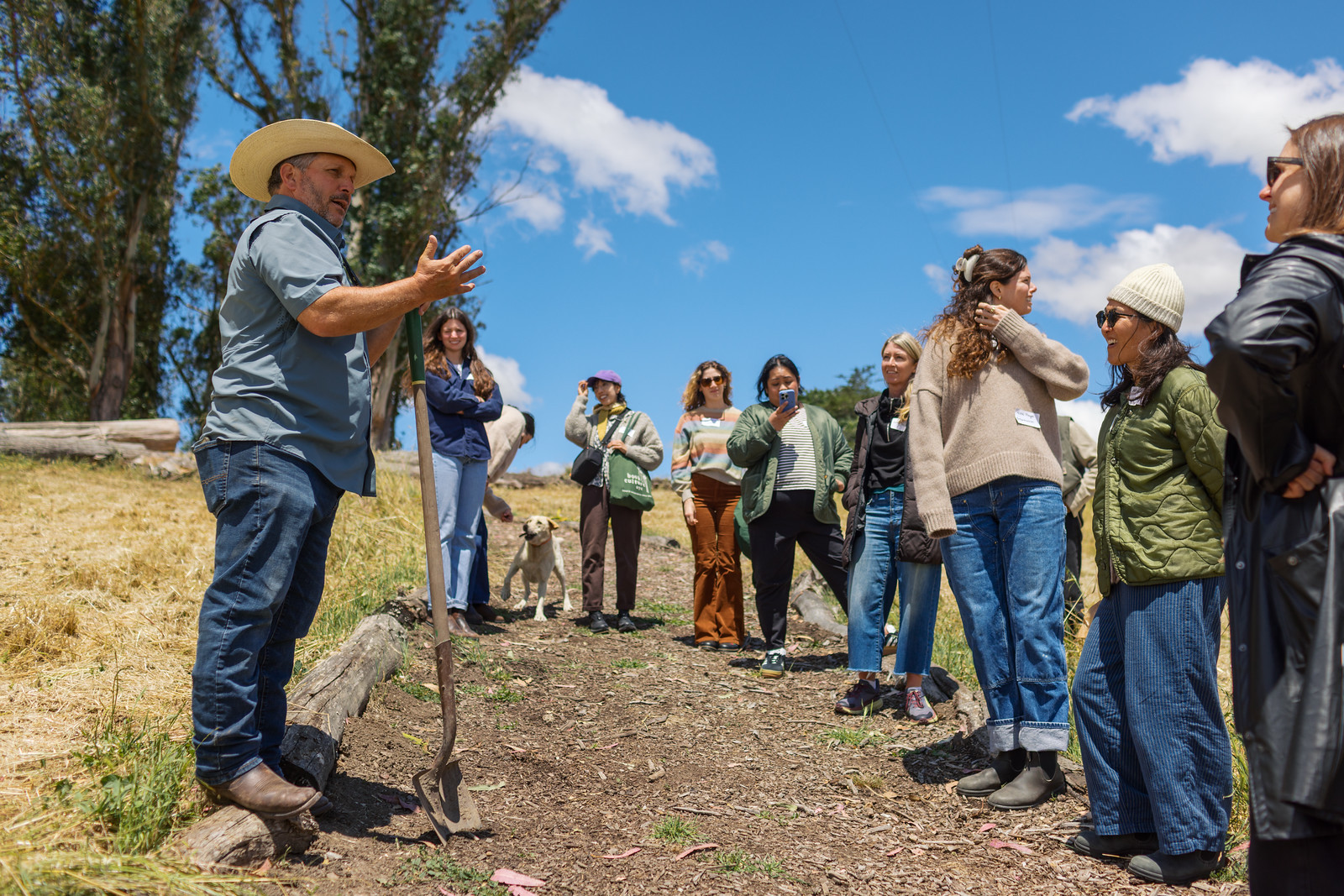
Words by Cassandra Marketos, Photographs by Paige Green Loren Poncia had been waiting for the rain. A fourth-generation rancher and co-operator of Stemple Creek Ranch with his wife Lisa, Loren had been watching his land through years of drought, feeling the strain that every rancher in the region knew. When the storms finally came, he […]
Read MoreRecent Stories from Fibershed
It Takes One Black Sheep: Growing Microbes at Triple F Ranch
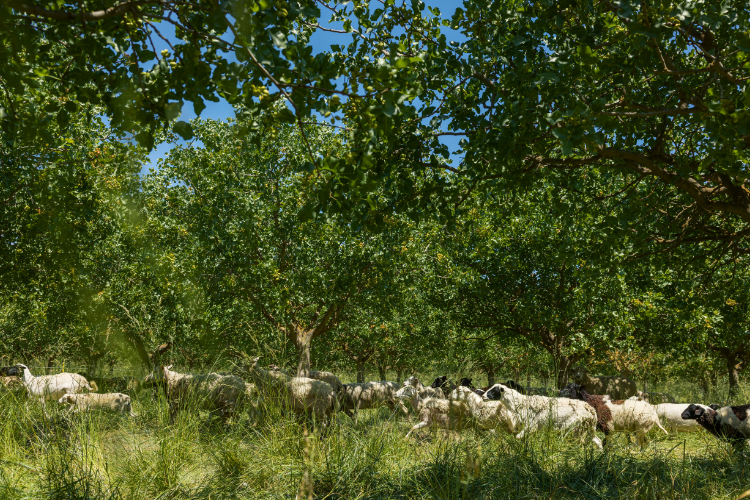
Words by Navit Reid, Photography by Paige Green Richard Felipe had a hunch things could be different. As a fourth generation farmer, he’d spent his life doing things the way his father had done them, the way everyone around him was doing in the sun rich but water poor San Joaquin Valley. He followed all […]
Read More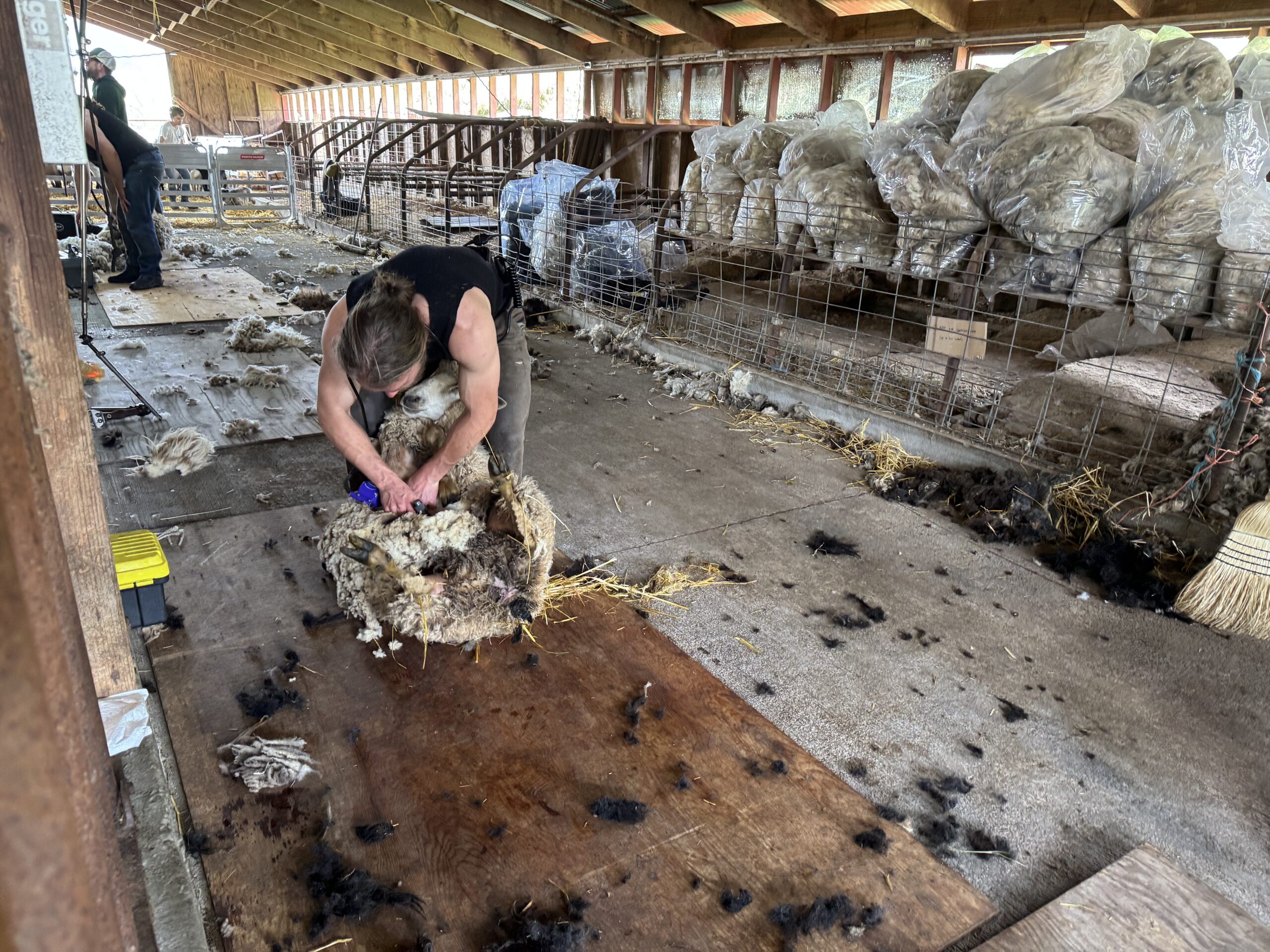
Agriculture Is Culture: A Recap of the Flock Together Festival
Words by Ren Lezeu, Photographs by Bronte Edwards On a pleasantly overcast Saturday, attendees of the 2nd Annual Flock Together Festival gathered at the historic Ridgewood Ranch just south of Willits, California, to enjoy a day of farm festivities. Aimed at “blending the grit of agricultural work with the joy of community gathering,” Flock Together […]
Read More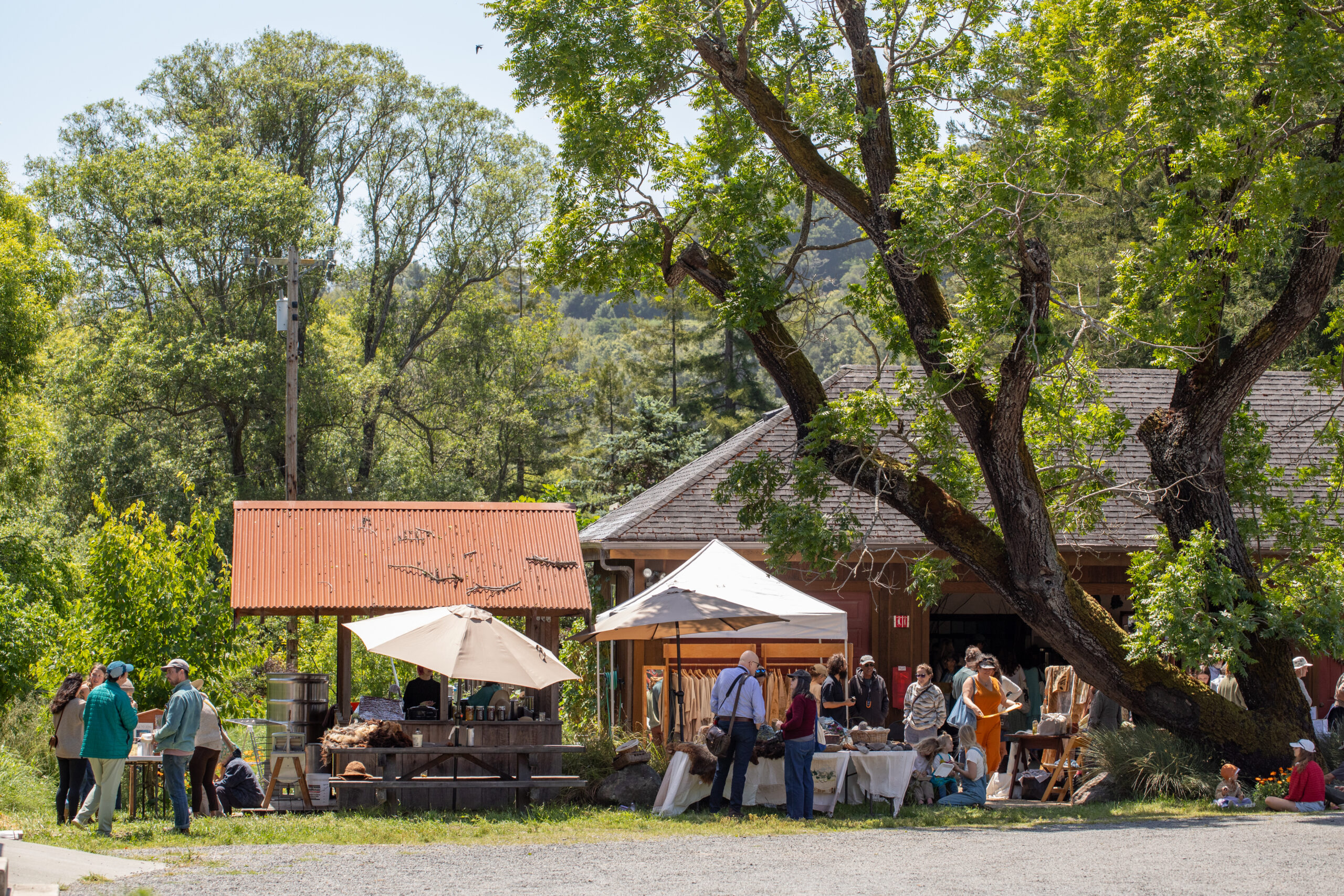
Fiber, Dye, and Community: A recap of Fibershed’s Spring Market
Words by Ren Lezeu, Photos by Noelle Gaberman Eager gardeners, dyers, and fiber enthusiasts made their way to the Fibershed Learning Center in Point Reyes Station at the beginning of May to enjoy a day of community, learning, and textile-oriented demonstrations at this year’s Fibershed Spring Market. Built on a network of affiliate producers, the […]
Read More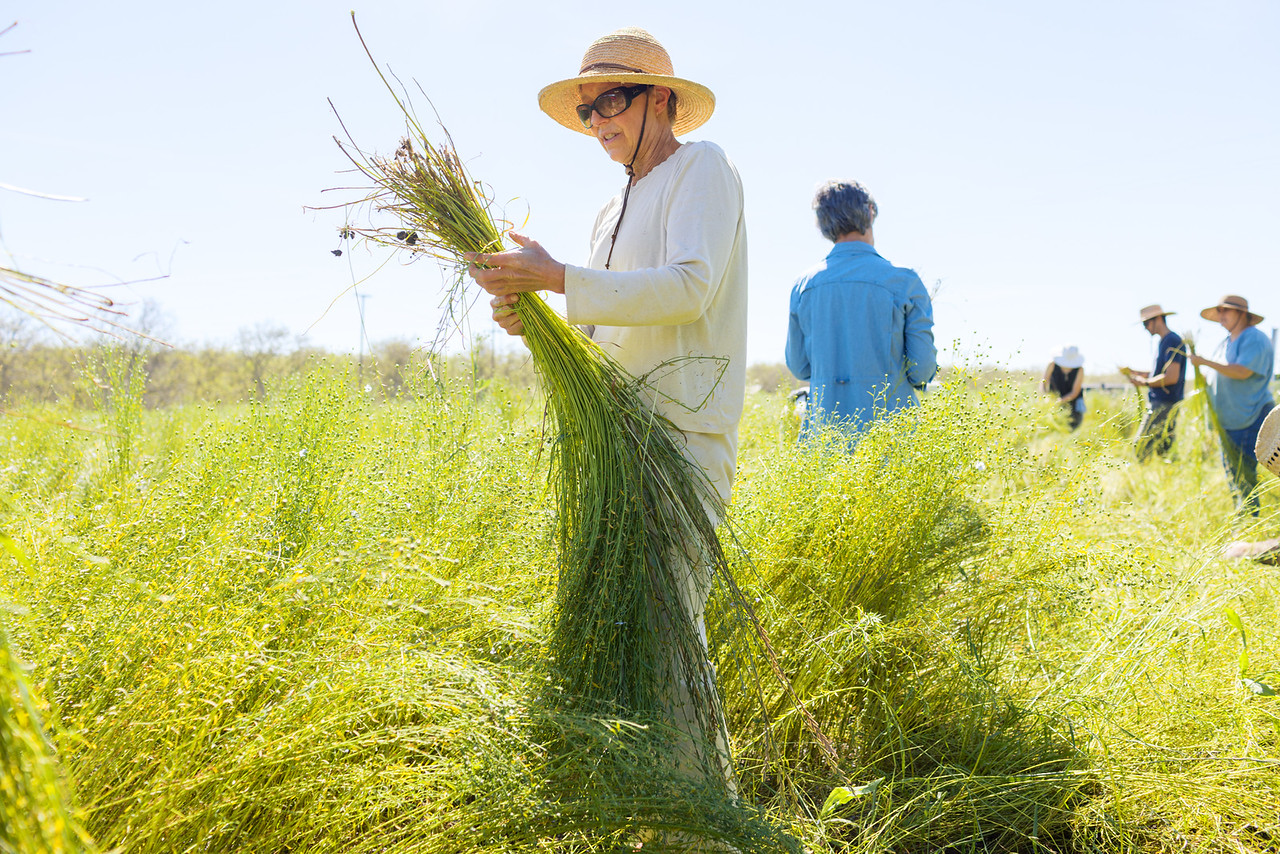
Old Crop, New Tricks: How Golden State Linen Is Reviving American Flax
Words by Siri Thorson, Photographs by Paige Greene There’s a real magic to linen, and it only deepens over time. Softening with every wear, naturally antimicrobial, it’s a hardworking fabric that evokes something ancient, elegant, and timeless. Indeed, flax (the plant that produces not only linen fibers but flax seeds and linseed oil) has been […]
Read More
How Splendid Took Climate-Beneficial Cotton From Farm to Finished Product
For many brands, it’s easy to have an interest in locally-grown, climate benefitting fibers. It’s actually taking the leap to move that material through the supply chain that is hard. At Fibershed, we developed the Climate Beneficial Verification program to help bridge that gap and support companies who want to make the move from […]
Read More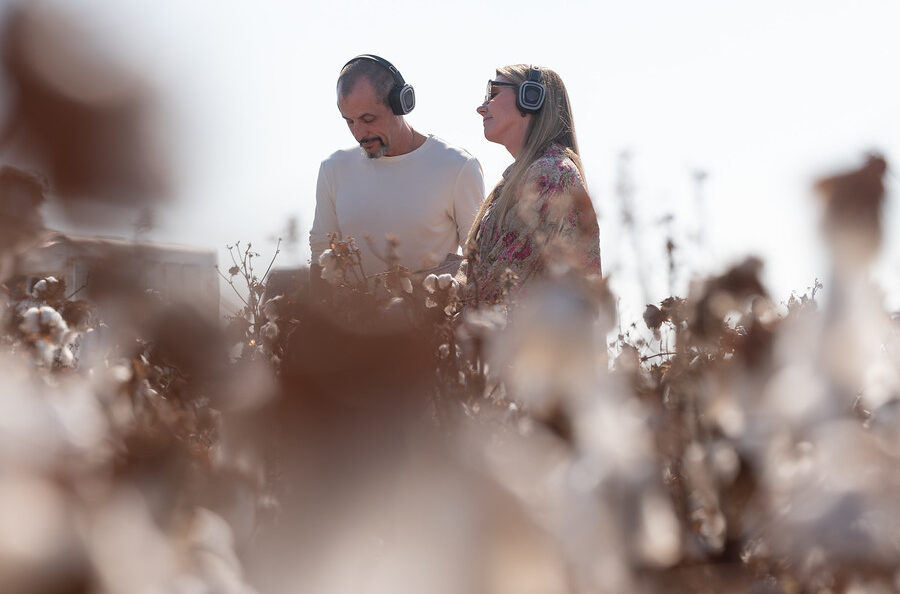
The Future of Soil-Regenerating Cotton: A Tour with Bowles Farming Company and Fibershed
Words by Cassandra Marketos, Photographs by Paige Green This fall, we brought 67 people, including teams from some of the world’s largest retailers, knitting manufacturers, and technical assistance providers, to Bowles Farming Company in Merced for a field tour during the cotton harvest. Our goal was to show attendees what it truly means to invest […]
Read More
Climate Beneficial™ Holiday Shopping Guide
The holidays have a way of pulling us back to the basics: what we use, what we value, and who made the things we reach for every day. Within Fibershed communities, those answers always start in the soil and move outward—through the growers tending fields and flocks, the mills keeping regional skill alive, and the […]
Read More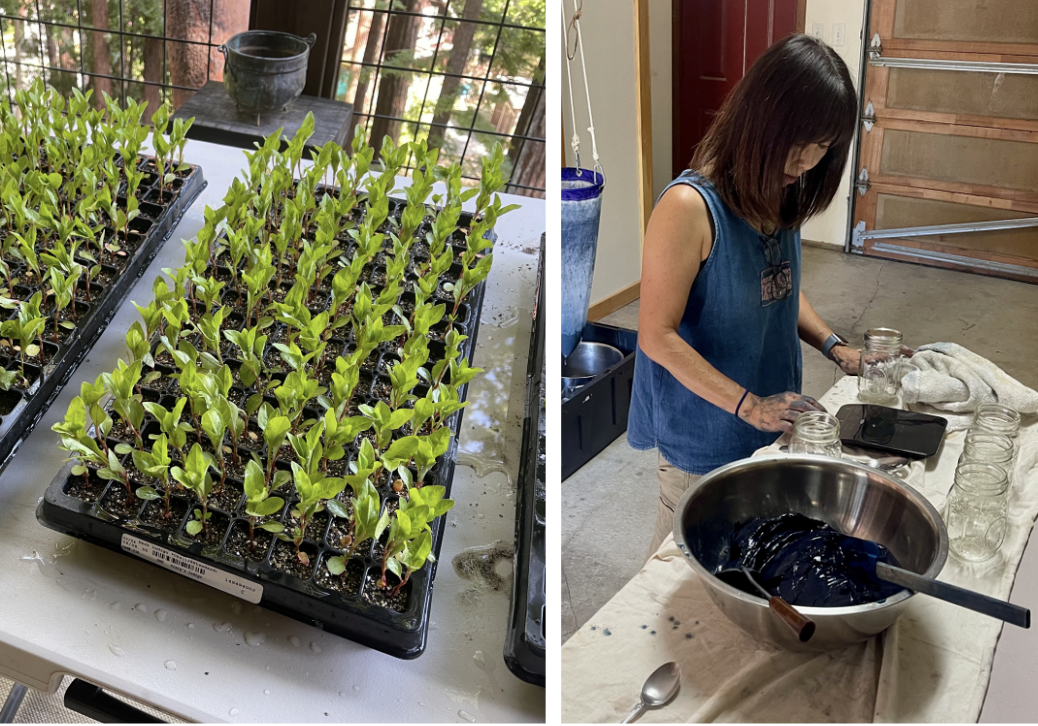
Indigo Field Notes 2025
Location: Fibershed Learning Center, Point Reyes Station California Three Northern California Fibershed members & producers, Craig Wilkinson, Rimiko Berreman & Heather Podoll, have collaborated with the Fibershed Learning Center (FSLC) in Point Reyes Station California to grow several varieties of Japanese indigo / Persicaria tinctoria from multiple seed sources. One source included seed collected from […]
Read More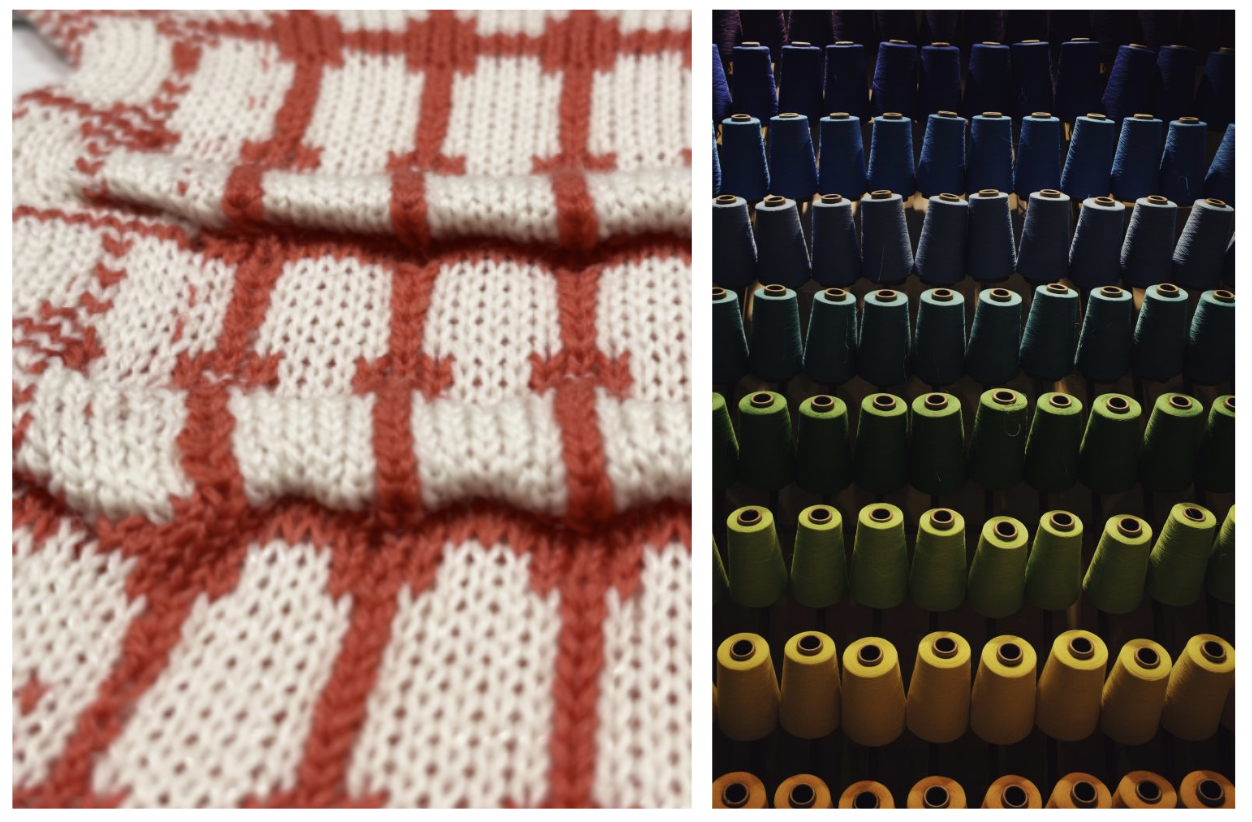
Creative Innovation: Melding Old and New Textile Technologies
Written by Ren Lezeu Innovation deals with generating value through improvement or newness, and comes from the practical implementation of ideas. When applied to the world of textiles and viewed from a sustainability perspective, innovation can mean finding ways to curb the use of synthetic fibers and minimizing the harmful outputs that come from textile […]
Read More